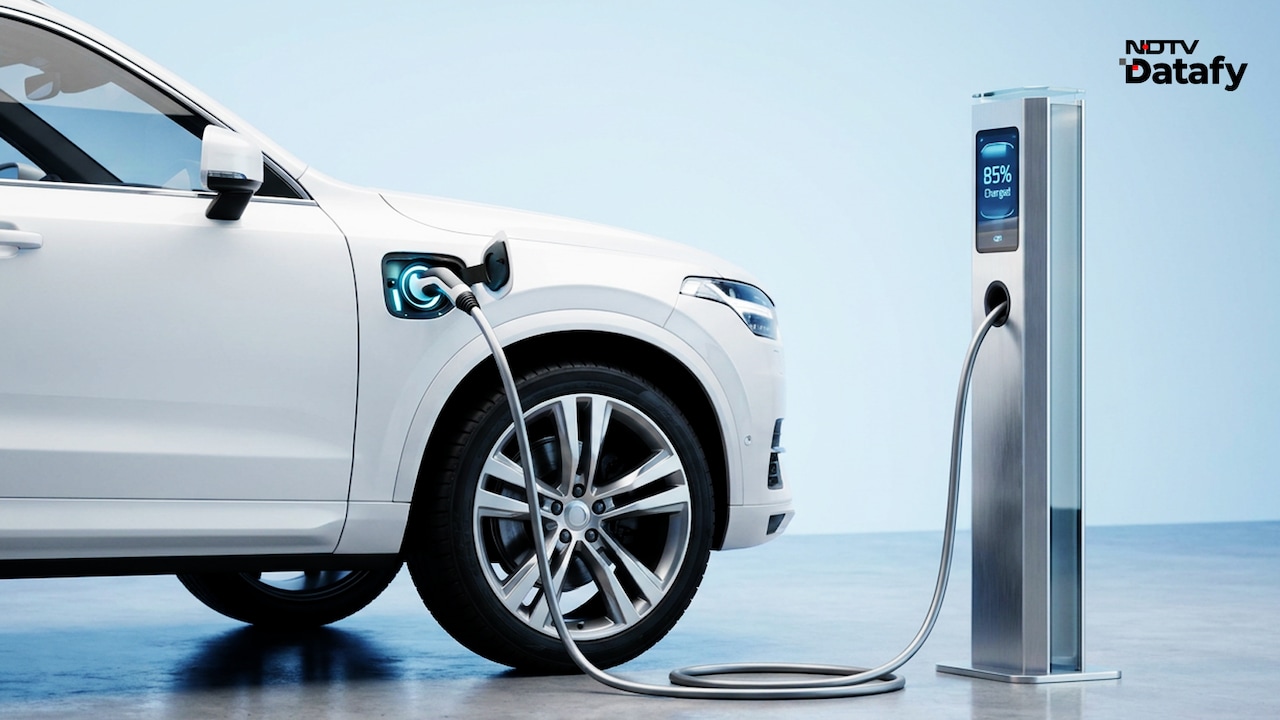
Prime Minister Narendra Modi's visit to Indonesia and Australia aims to secure raw material supplies for India's electric‑vehicle (EV) ambitions. By forging strategic partnerships for lithium and nickel, the trip strengthens India's roadmap toward self‑reliant EV manufacturing.
India has elevated electric‑vehicle (EV) development to a national priority, unveiling a suite of policies such as the Faster Adoption and Manufacturing of Hybrid & Electric Vehicles (FAME) scheme, the Faster India Infrastructure Initiative, and the National Electric Mobility Mission Plan. Together, these frameworks target a 30 % EV share of the vehicle fleet by 2030 and seek to boost domestic EV production. Yet, the success of these plans hinges on a steady flow of critical battery inputs—chiefly lithium, nickel and cobalt.
India’s Position in the Global Lithium‑Nickel Chain
Worldwide demand for lithium‑ion batteries is soaring, with China, Australia and Indonesia dominating the supply of lithium and nickel. India lacks significant domestic reserves of these minerals, making it heavily reliant on imports. This dependence inflates costs and introduces strategic vulnerabilities that could hamper the nation’s EV rollout.
The Indonesia‑Australia Visit: A Dual‑Track Raw‑Material Deal
During his high‑level meetings with Indonesian President Joko Widodo and Australian Prime Minister Anthony Albanese, Prime Minister Modi focused on two pillars: (i) forging long‑term agreements for the extraction and export of lithium‑nickel, and (ii) deepening bilateral cooperation on battery manufacturing, recycling, and technology transfer.
Strategic Gains and Potential Hurdles
Should the accords materialise, India stands to gain a reliable supply chain, a projected 15‑20 % reduction in battery costs, and a competitive edge for home‑grown EV makers in global markets. Joint‑venture models could accelerate technology sharing, while diversified sourcing would mitigate geopolitical risks. However, challenges loom—ranging from shifting geopolitical dynamics and export controls to evolving environmental regulations—that must be navigated with diplomatic finesse.
Road Ahead
To capitalise on the Indonesia‑Australia partnership, India must fine‑tune its EV policies to attract foreign investment, while simultaneously accelerating domestic exploration for lithium and nickel through advanced geoscience techniques and public‑private collaborations. Successful execution will not only render India self‑sufficient in EV manufacturing but also position it as a pivotal node in the global electric‑vehicle supply chain.