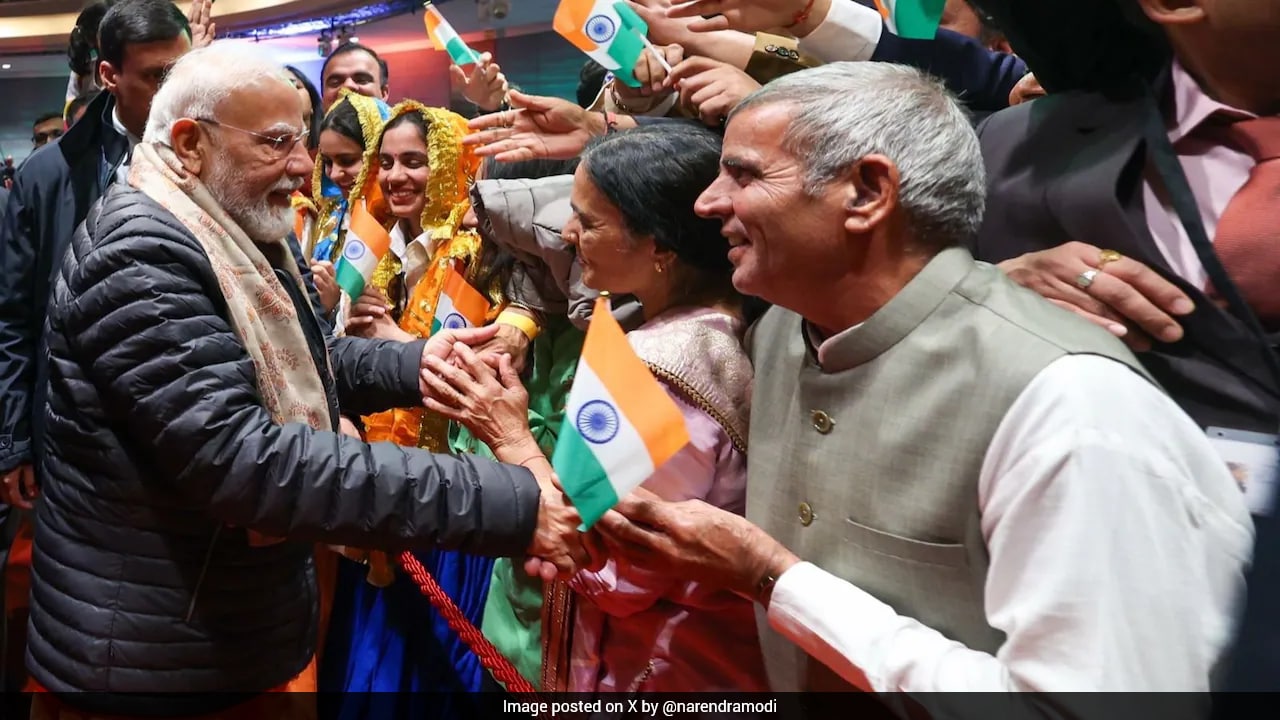
Upon landing in Melbourne, Prime Minister Narendra Modi was greeted with chants of "Modi‑Modi" and "Vande Mataram" by the Indian community. The fervent reception underscores deep India‑Australia ties and the strategic influence of the Indian diaspora.
Melbourne, Australia – Within minutes of his arrival, Prime Minister Narendra Modi was enveloped in a vibrant welcome orchestrated by the Indian diaspora, echoing with "Modi‑Modi" and "Vande Mataram" chants. The scene at the hotel lobby not only honoured the head of government but also signaled a renewed momentum in bilateral relations between India and Australia.
Arrival and Reception
After a direct flight from New Delhi, Modi touched down at Melbourne International Airport and proceeded straight to a premier hotel where he was met by representatives of Indian business chambers, cultural associations, and youth groups. Their synchronized slogans highlighted the soft‑power dimension of India’s foreign policy, turning a routine diplomatic stopover into a showcase of cultural pride.
The Role of the Indian Diaspora
With an estimated 7 million people of Indian origin residing in Australia, the diaspora forms one of the largest overseas Indian communities. Their contributions span technology, healthcare, education and entrepreneurship, driving a bilateral trade surge of over 30 % in recent years. This reception made clear that the diaspora is not merely a sentimental bridge but an active catalyst for deeper economic and strategic cooperation.
Strategic Context of India‑Australia Relations
Modi’s visit arrives at a pivotal moment in Indo‑Pacific geopolitics, marked by heightened China‑India tensions and Australia’s expanding security partnerships. Last year, the two nations signed a series of agreements covering defence collaboration, maritime security, and renewable energy. The Melbourne stopover is expected to cement further deals on trade, academic exchanges, and climate initiatives.
Implications for the Future
Domestically, the enthusiastic diaspora welcome bolsters Modi’s political capital ahead of upcoming elections, where foreign policy successes are often leveraged for electoral gain. Internationally, it sends a clear message to regional actors that India enjoys robust grassroots support abroad, enhancing its diplomatic leverage. In essence, the reception is both a cultural celebration and a strategic statement of intent.
Overall, the warm welcome in Melbourne reflects a deepening India‑Australia partnership and sets the stage for expanded cooperation across trade, security, and people‑to‑people ties.