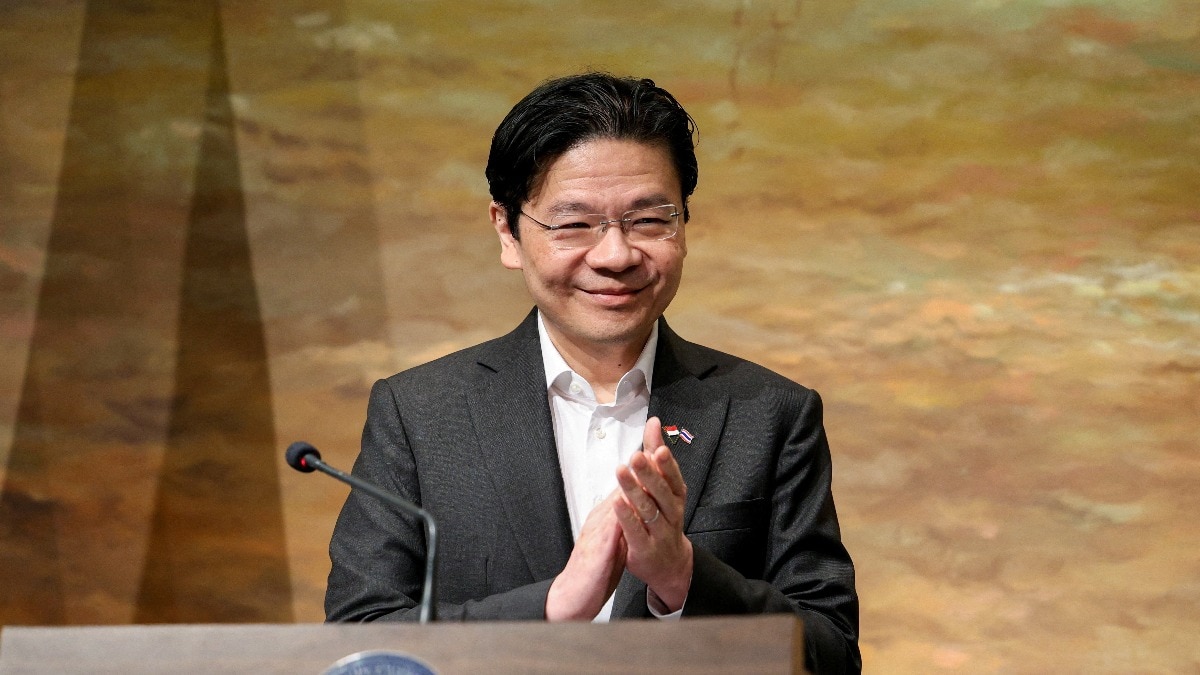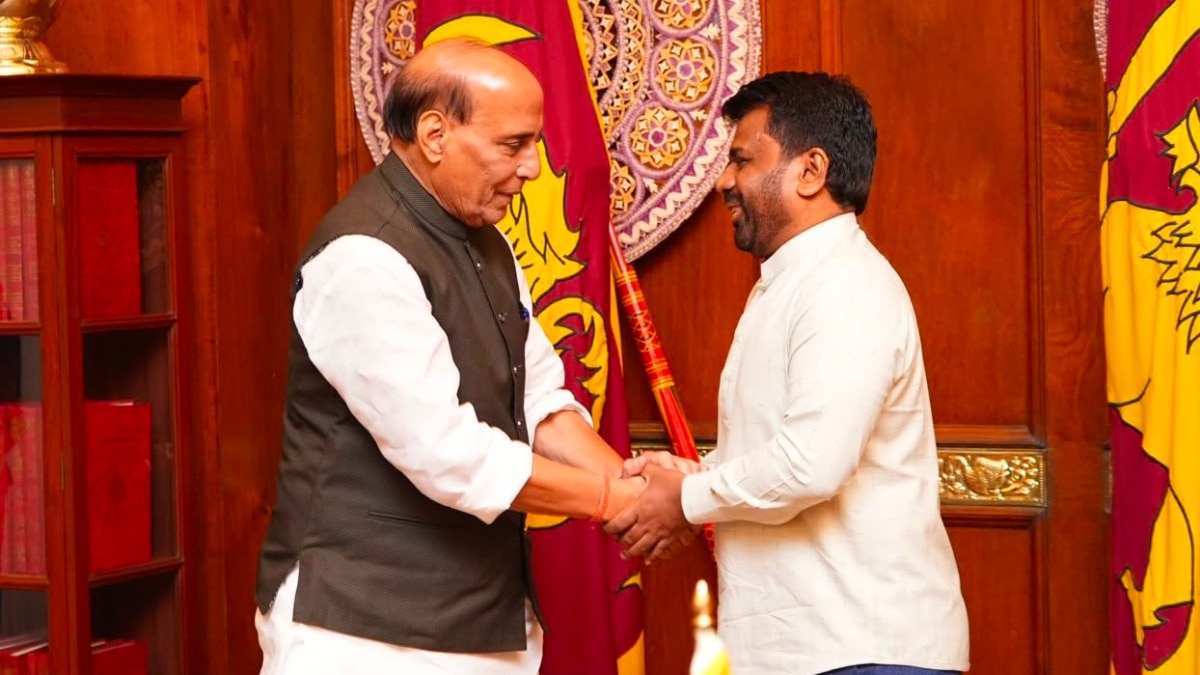
In a landmark meeting, Sri Lankan President Anura Kumara Dissanayake assured Defence Minister Rajnath Singh that Colombo will not permit its territory to be used for activities threatening India's security. The visit also saw the signing of three pivotal defence agreements.
- Sri Lanka guarantees that its soil will not be used for activities inimical to India's security.
- Three strategic defence agreements signed, including air defence upgrades funded by India.
- First visit by an Indian Defence Minister to Sri Lanka in 38 years.
In a high-stakes diplomatic engagement, Sri Lankan President Anura Kumara Dissanayake has provided a critical security assurance to India, stating that Colombo would never allow its territory to be utilized for activities that threaten New Delhi's security interests. This commitment was delivered during a meeting with India's Defence Minister Rajnath Singh during his historic three-day visit to Sri Lanka.
The meeting, held in Colombo, focused on a wide-ranging partnership rooted in mutual trust and traditional warmth. The agenda heavily featured regional security, peace, and prosperity. This development is particularly significant given the intensifying strategic competition in the Indian Ocean region and India's long-standing concerns regarding China's expanding footprint in Sri Lanka's strategic ports and surrounding waters.
Why This Matters
BozokMedia analysis shows that this assurance is a strategic pivot. For India, Sri Lanka is not just a neighbor but a critical node in its 'SAGAR' (Security and Growth for All in the Region) vision. By explicitly ruling out anti-India activities, President Dissanayake is attempting to balance Sri Lanka's external relations, ensuring that while it may engage with other global powers, it will not compromise the security of its closest neighbor.
"The explicit nature of this security assurance marks a transition from implicit understanding to formal commitment, crucial for stability in the Indian Ocean."
Beyond diplomatic assurances, the visit yielded tangible military cooperation. The two nations signed three defence-related understandings. A primary highlight is the agreement to upgrade six L70 air defence guns operated by the Sri Lanka Air Force, a project entirely funded through an Indian government grant. This move strengthens the island nation's air defence while deepening its reliance on Indian military technology.
Further agreements were signed to foster academic cooperation between the National Defence Colleges of India and Sri Lanka, and to formalize a youth exchange program between the National Cadet Corps (NCC) of both countries. These initiatives aim to build long-term institutional and people-to-people ties between the future military leadership of both nations.
Minister Rajnath Singh reiterated India's role as a 'First Responder' during crises, recalling the deep civilizational links between the two peoples. President Dissanayake expressed gratitude for India's swift assistance during Cyclone Ditwah, specifically mentioning the relief provided under Operation Sagar Bandhu. The visit concluded with the virtual inauguration of three Bailey bridges constructed by Indian defence forces, symbolizing the physical infrastructure of cooperation.
| Cooperation Pillar | Key Outcome |
|---|---|
| Military Hardware | Upgrade of 6 L70 Air Defence Guns (Indian Grant) |
| Academic Exchange | Partnership between National Defence Colleges |
| Youth Engagement | Formalized NCC Cadet Exchange Program |
Frequently Asked Questions
1. What was the primary security assurance given by Sri Lanka to India?
President Anura Kumara Dissanayake assured that Sri Lankan territory would not be used for any activities that are inimical to India's security interests.
2. What are the three defence agreements signed during the visit?
The agreements cover the upgrade of L70 air defence guns, academic cooperation between National Defence Colleges, and a youth exchange program for NCC cadets.