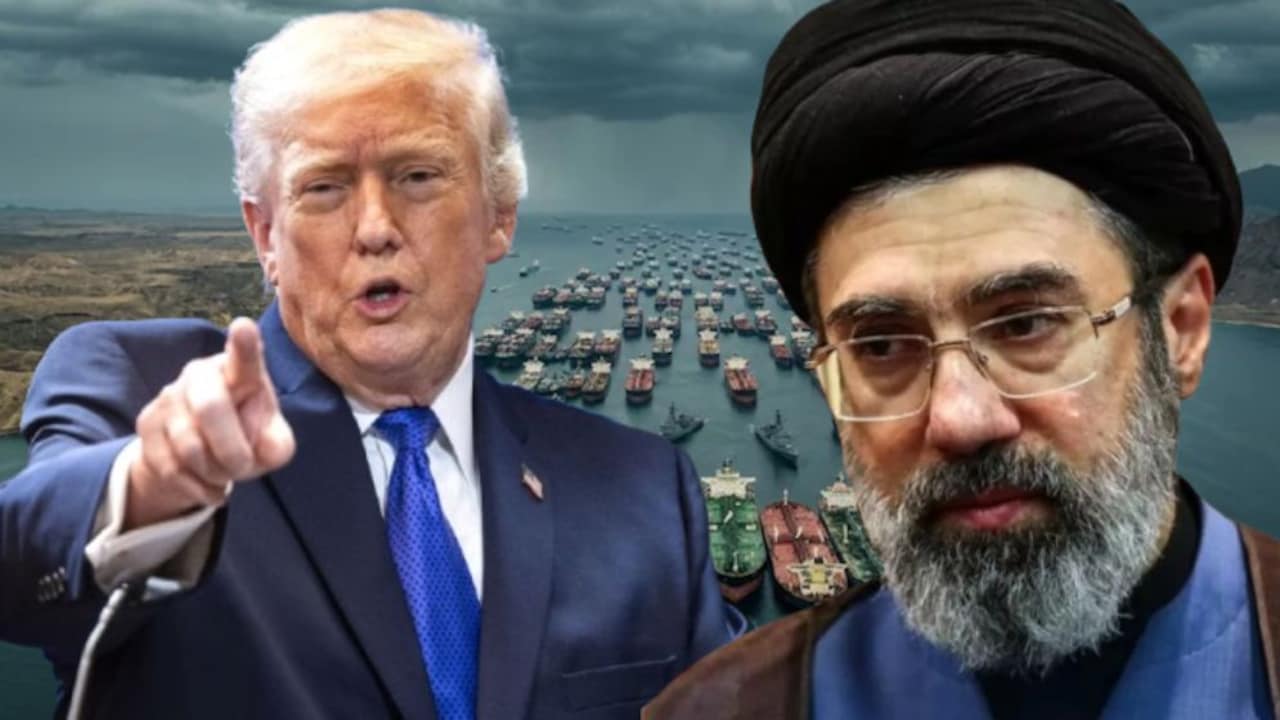
U.S. President Donald Trump told reporters that a full‑blown conflict with Iran is unlikely despite recent reciprocal strikes, asserting any further action would be resolved swiftly and would even improve oil security. He reiterated that Tehran keeps him atop its kill list.
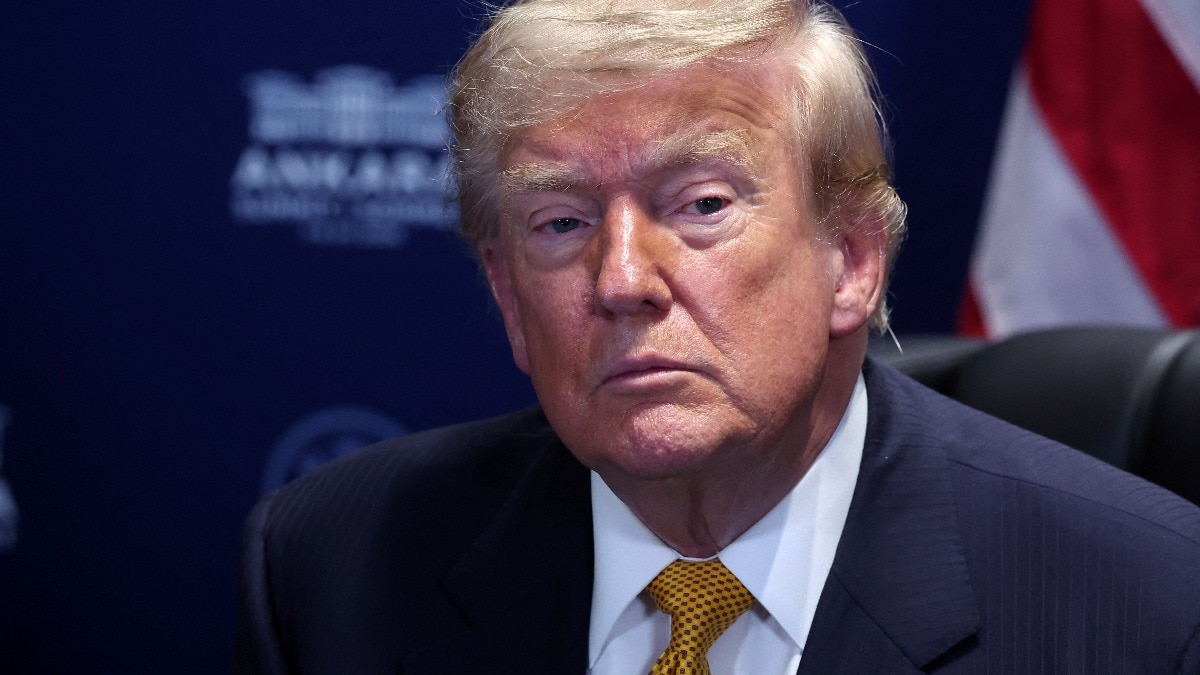
President Donald Trump addressed the press in Ankara after the NATO summit on Wednesday, stating that he does not anticipate a full‑scale war with Iran even though both sides have recently exchanged military blows. "I don't think it's going to start again. I think it's going to go very quickly," he said, adding that any escalation would be brief and would ultimately enhance oil safety.
Recent Escalation Explained
In December 2025, Iranian missiles targeted U.S. naval vessels navigating the Shatt al‑Arab waterway, damaging two American submarines. The United States responded with a rapid strike on two Iranian oil platforms, marking a tit‑for‑tat exchange that raised alarms of a broader Middle‑East conflict. Both sides have since reported limited engagements, but the risk of wider confrontation remains palpable.
Trump's Position and Its Significance
Trump’s remarks, emphasizing a swift resolution, appear aimed at calming volatile oil markets. He repeated his claim of being "number one on Iran's kill list," underscoring personal security concerns that have long colored U.S.–Iran relations. By projecting confidence that any clash would be short‑lived, the president seeks to reassure investors and allies alike.
Economic and Geopolitical Implications
Analysts argue that the president’s optimistic tone could help stabilize crude prices, which have spiked on every hint of a wider war. A rapid de‑escalation would limit disruptions to global oil supplies, benefitting economies in Asia and Europe that depend on steady energy imports. For Tehran, the statement signals a continued willingness to project power while remaining cautious of a prolonged conflict.
Looking Ahead
Both militaries remain on high alert, monitoring each other's capabilities. Meanwhile, the U.S. Congress and international bodies are urging diplomatic channels to resolve the tension. If Trump’s forecast holds true, the region may avoid a full‑scale war, but the underlying mistrust and strategic competition suggest the situation remains fragile.
In sum, while Trump’s comments offer a hopeful outlook, lasting peace will require sustained diplomatic engagement beyond rhetorical assurances.