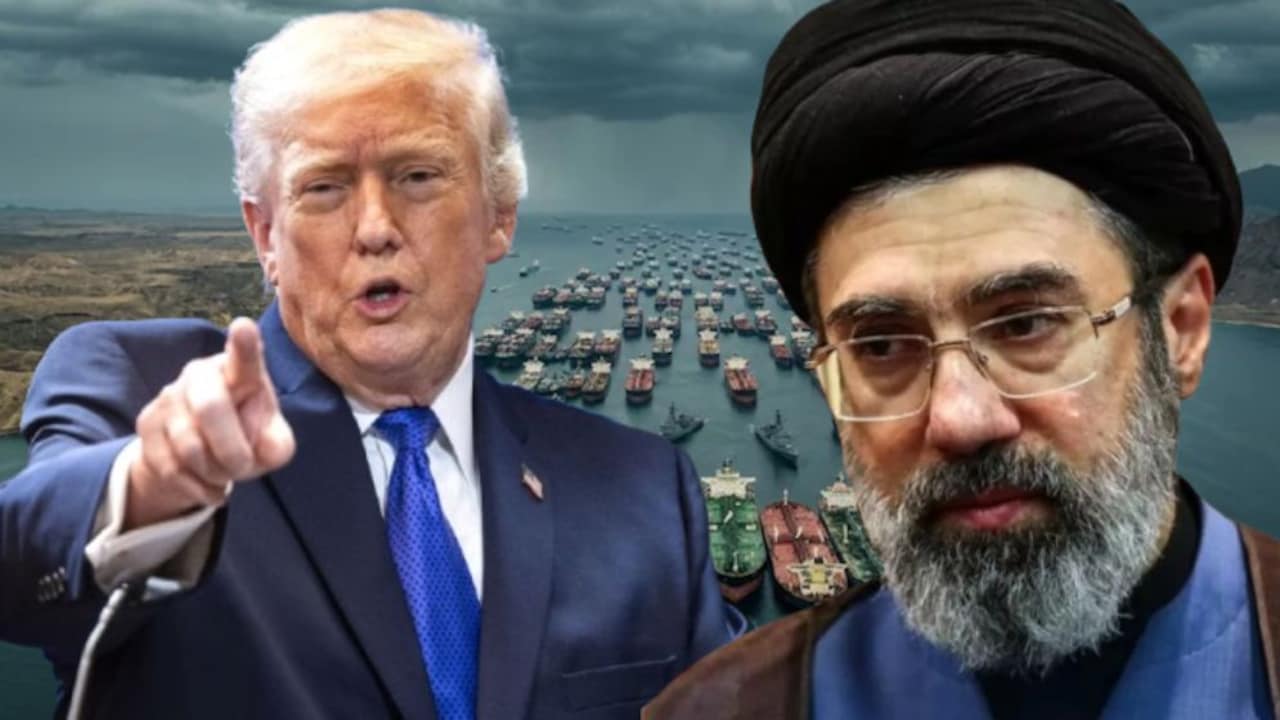
Tensions have exploded in the Strait of Hormuz as Iran targeted a US naval drone shortly after American raids on oil tankers. The six-month-long conflict has reached a dangerous new peak.
- Iran launched an attack on a US naval drone.
- The strike follows recent US raids targeting oil tankers.
- Strategic tensions in the Strait of Hormuz are at an all-time high.
The Middle East is on the brink of a major escalation. Iran has successfully targeted a US naval drone, an act of aggression that comes just hours after the United States conducted raids on oil tankers. This latest round of clashes marks a significant intensification of the six-month-long deadlock between the two powers.
The conflict is centered around the Strait of Hormuz, a critical maritime chokepoint that maintains a stranglehold on global energy supplies. By striking the drone, Iran has signaled its intent to defend its perceived territorial interests and challenge the US naval presence in the region with increased ferocity.
Why This Matters
BozokMedia analysis shows that this escalation poses a direct threat to global economic stability. Any disruption in the Strait of Hormuz could trigger an immediate spike in crude oil prices, affecting markets from New York to Tokyo. The strategic importance of this waterway cannot be overstated.
The maritime security of the Strait of Hormuz is now the frontline of a global energy war.
As the six-month war enters a more volatile phase, the risk of miscalculation increases. The transition from targeting commercial tankers to direct engagement with military unmanned aerial vehicles (UAVs) suggests that both nations are prepared for a more direct military confrontation.
Historical Background
The Strait of Hormuz has been a flashpoint for decades. Iran has frequently used its geographical position to exert pressure on Western powers, leading to numerous naval standoffs and military exercises that have shaped modern Middle Eastern geopolitics.
Frequently Asked Questions
Question 1: Why is the Strait of Hormuz so important?
Answer: It is a vital transit point for the majority of the world's petroleum and liquefied natural gas.
Question 2: What is the current status of the conflict?
Answer: The conflict is currently in a state of intense deadlock with frequent, high-stakes military exchanges.