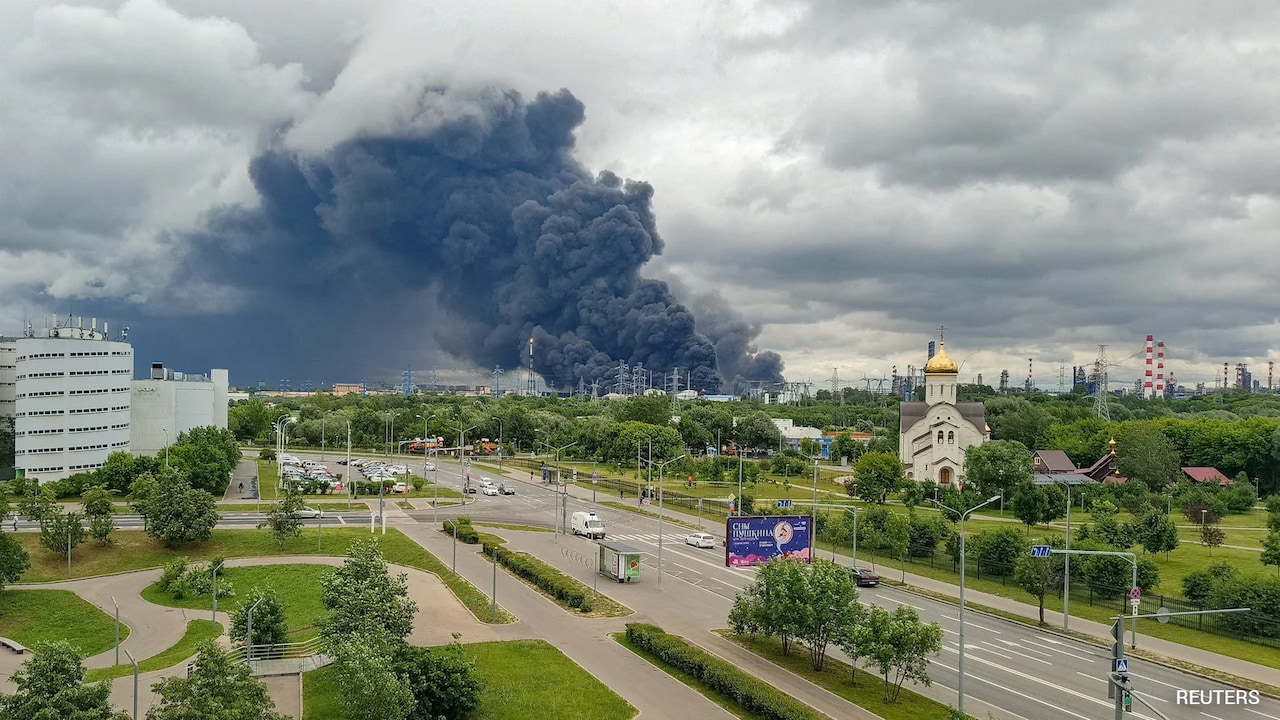
Ukrainian drone strikes on Russian oil and gas infrastructure have escalated 11-fold in 2026, threatening global energy supply chains and posing significant economic challenges for India, a major buyer of Russian crude.
Since the beginning of 2026, Ukraine has executed a highly strategic and aggressive shift in its military operations. Ukrainian drones have struck Russian oil and gas facilities at least 194 times, representing a staggering 11-fold increase compared to the same period last year. This asymmetric warfare strategy aims to choke Russia's economic engine and disrupt its military funding by targeting its most lucrative industry.
Disruption of Russian Refining Capacity
The relentless drone campaign has successfully crippled significant portions of Russia's refining capacity. Russia, one of the world's premier energy superpowers, is facing prolonged outages at key processing plants. This disruption is tightening global fuel supplies, pushing up Brent crude prices, and forcing Moscow to grapple with domestic fuel shortages while trying to maintain its export commitments under heavy international sanctions.
The India Connection: A Shift in Dynamics
Following the outbreak of the war in 2022, India emerged as a primary beneficiary of discounted Russian Ural crude. Indian refiners successfully pivoted to Russian oil to keep domestic inflation in check, secure energy supplies, and boost refining margins. However, the vulnerability of Russian infrastructure to Ukrainian drones introduces a new layer of risk for New Delhi's energy security strategy.
Economic and Strategic Implications
With Russian refining capacity under threat, the steep discounts previously enjoyed by Indian refiners are likely to shrink. Furthermore, if global oil prices spike due to these supply disruptions, India's oil import bill will inevitably swell. This could exert downward pressure on the Indian Rupee, widen the current account deficit, and potentially lead to a rise in domestic fuel prices, impacting retail inflation.
Diversification as a Necessity
To mitigate these geopolitical risks, India may need to re-evaluate its energy basket and diversify imports by rebuilding stronger ties with traditional Middle Eastern suppliers and increasing imports from the United States. The ongoing conflict underscores the volatile nature of relying heavily on a single, conflict-embroiled source for vital national resources.