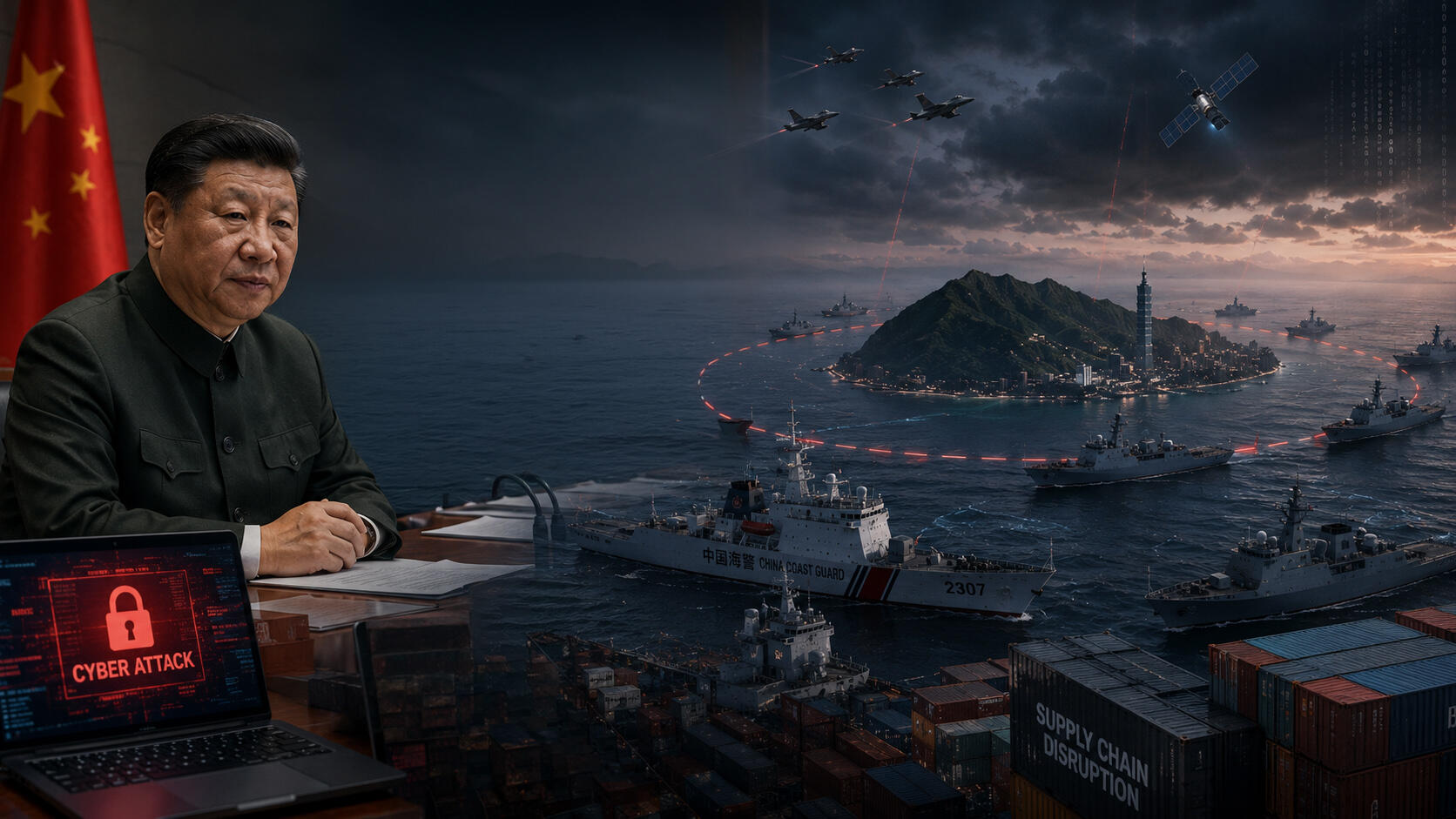
Beijing is shifting from a traditional amphibious invasion to a multi‑layered gray‑zone campaign that uses naval blockades, cyber attacks and disinformation to economically and psychologically cripple Taiwan. The strategy aims to make resistance too costly without crossing the threshold of open war.
मुख्य बिंदु (Key Takeaways)
- China can impose maritime restrictions disguised as customs checks to choke Taiwan’s ports.
- Cyber intrusions and coordinated disinformation will destabilise Taiwanese society.
- Economic pressure on energy and raw‑material imports could force political concessions.
For decades the popular image of a Taiwan conflict has been a massive amphibious assault across the strait, with troops storming beaches under missile fire. Recent strategic assessments, however, suggest that Beijing may prefer a subtler, ‘gray‑zone’ approach—one that stays below the legal definition of war while steadily tightening economic, cyber and informational pressure on the island.
Understanding the Gray Zone
The term ‘gray zone’ refers to coercive actions that fall short of outright warfare, a concept used extensively during the Cold War and now revived in China’s playbook against Taiwan. By operating under the radar of traditional war‑making thresholds, Beijing can avoid triggering collective defence obligations of the United States and its allies.
Maritime Blockade: Targeting Energy and Supply Chains
Taiwan imports nearly all of its oil, natural gas, coal and a large share of its food and industrial inputs via sea lanes. A coordinated effort by the People’s Liberation Army Navy, the Coast Guard and maritime militia to establish exclusion zones around major ports could effectively turn commercial shipping into a high‑risk venture. Insurance premiums would soar, logistic firms would reroute cargo, and the island would face shortages of fuel, raw materials and even essential consumer goods.
Cyber and Information Warfare
Alongside the maritime squeeze, Beijing’s cyber forces could strike Taiwan’s power grid, banking systems and communication networks. Simultaneously, state‑linked media would flood the information space with false narratives, deep‑fake videos and targeted propaganda to sow doubt, erode public confidence and provoke internal divisions.
Legal Ambiguity and International Response
Unlike a conventional blockade, a “customs inspection” or “security quarantine” can be framed as a lawful enforcement action, placing the operation in a gray legal zone. This ambiguity makes it harder for foreign governments to justify a military response, granting China additional diplomatic cover while the pressure builds.
Taiwan’s Resilience Measures
Anticipating such tactics, Taiwan has launched multi‑layered resilience drills that encompass supply‑chain diversification, cyber‑defence hardening and public‑awareness campaigns. Experts warn that even limited disruptions—such as a few delayed LNG tankers—could cascade into broader economic strain, potentially pushing Taipei toward negotiations under duress.