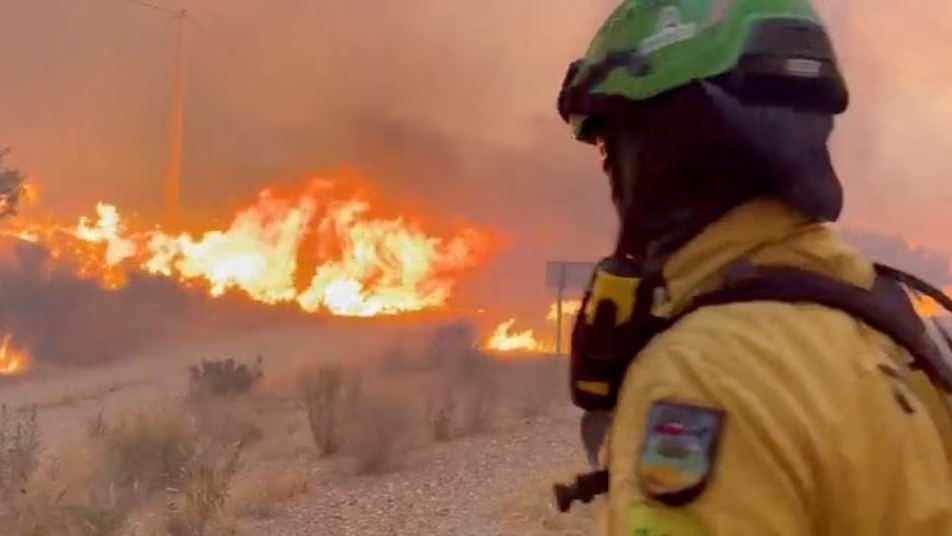
A rapid wildfire in Almeria, southern Spain, has killed 11 people, including four Britons, despite officials urging residents to stay indoors. Around 150 firefighters are fighting the blaze while authorities continue search operations.
Almeria, southern Spain – In the forested outskirts of Los Gallardos, a fast‑moving wildfire has ripped through the area, leaving 11 dead, four of them believed to be British nationals. Antonio Sanz, head of emergencies for Andalusia, said roughly 150 firefighters have been deployed to contain the inferno, but many residents ignored evacuation orders and attempted to flee by car, resulting in fatal outcomes.
Background Context
The blaze comes amid a string of heatwaves that have left large swathes of western Europe parched. The World Meteorological Organization warns that Europe is warming at more than twice the global average, dramatically raising the likelihood of prolonged fire seasons. Just days earlier, a massive wildfire in southern France forced the evacuation of over 10,000 residents, underscoring the growing fire risk across the continent.
Casualties and Immediate Impact
The fire rapidly engulfed the hamlet of Bedar near Los Gallardos. Authorities had instructed residents to remain inside their homes, yet several people tried to escape in their vehicles. Four victims, identified by the right‑hand steering wheel of their car, were British. Seven others abandoned their cars and attempted to flee on foot along an unofficial route, where they were found dead. Four additional survivors are receiving treatment for severe burns.
Government Response and Historical Parallels
Prime Minister Pedro Sanchez expressed "enormous sadness and devastation" and extended condolences to the families of the deceased. He confirmed that emergency services, security forces and the military emergency unit (UME) were mobilised to combat the fire. This tragedy is Spain’s deadliest wildfire since the 2005 Guadalajara blaze, which killed 11 firefighters and prompted sweeping reforms in wildfire prevention and emergency response.
Why This Matters?
The incident highlights how climate‑driven heatwaves are transforming fire risk across Europe, turning once‑rare events into potential annual catastrophes. It underscores the urgent need for robust early‑warning systems, community education, and strategic forest management to mitigate future losses.
Experts argue that without decisive policy action on climate adaptation and increased investment in fire‑fighting infrastructure, similar tragedies are likely to recur. In the meantime, authorities urge residents to heed official instructions and avoid taking unnecessary risks as search operations for missing persons continue.