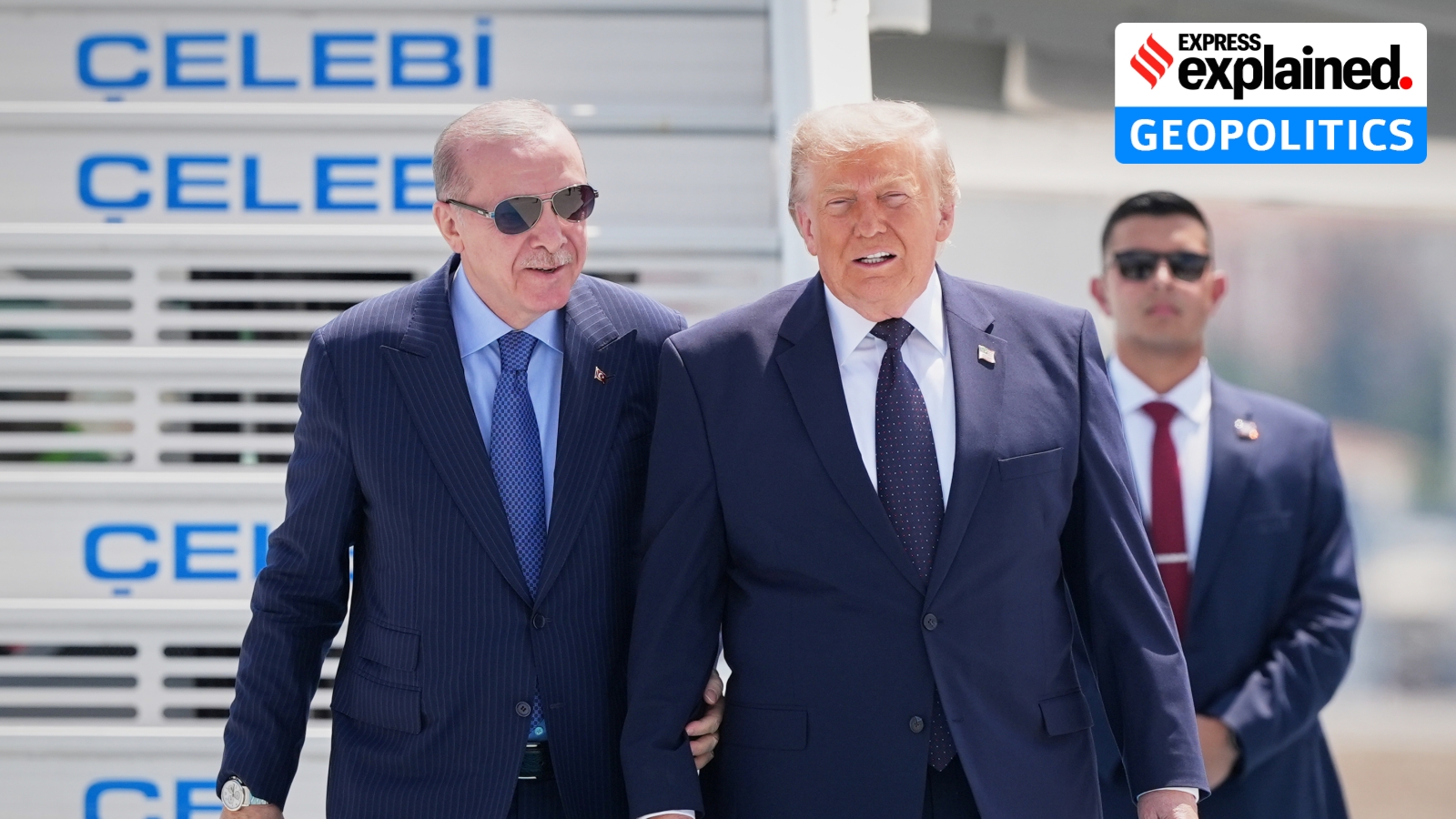
At the Ankara NATO summit, Turkey leveraged the event to boost its strategic standing while US‑Turkey ties saw a potential reversal. President Trump's attendance and talks on defense cooperation highlighted deep fissures within the alliance.
Key Takeaways
- Turkey emerged as the diplomatic winner of the NATO summit
- Potential shift in US‑Turkey relations after S‑400 controversy
- Growing budget, technology and strategic rifts within NATO
The 77‑year‑old NATO leaders’ summit in Ankara was shrouded in uncertainty for months, primarily because of doubts over U.S. President Donald Trump’s participation. In the end, Trump arrived in his characteristic forceful style, imposing a trade cut‑off on Spain, reviving claims on Greenland and reaffirming his commitment to the alliance.
Why Turkey Claimed Victory
Host nation Turkey proved the real winner. Under President Recep Tayyip Erdoğan’s hospitality, Ankara re‑asserted its strategic relevance within the bloc, especially after the long‑standing S‑400 dispute that had seen Washington impose CAATSA sanctions. Trump repeatedly signalled willingness to lift those sanctions and reopen the F‑35 production line to Ankara, a move that could restore Turkey’s access to the U.S. defense market.
Deepening Divisions Inside NATO
The summit laid bare the alliance’s internal fractures. While many European members have pledged to raise defence spending, Trump’s hard‑line stance on Ukraine, Greenland and his Iran war has eroded trans‑Atlantic trust. Moreover, European capitals have been criticised for their tepid responses in cease‑fire forums covering Gaza, Iran, Libya and Sudan.
Budget Battles Between Europe and the United States
In 2026, NATO committed €70 billion in military aid to Ukraine, fully funded by the European Union. By contrast, American weapons for Kyiv must be purchased under Trump’s “buy‑back” scheme, intensifying financial friction. The EU’s defence fund, Security Action for Europe (SAFE), now mandates at least 65 % of procurement to be EU‑origin, effectively casting non‑EU NATO members—including the US, UK, Canada and Turkey—as “foreign” participants.
Looking Ahead
Although the EU remains rigid on Turkey’s accession, Ankara has deepened ties with the United States, the United Kingdom and West Asia. Should Trump’s promise to lift sanctions materialise, Turkey may abandon the Russian S‑400 in exchange for a guaranteed return to the F‑35 programme, marking a dramatic turnaround in US‑Turkey relations. This shift could reshape power dynamics within NATO, prompting a fresh strategic realignment.