Indian refiners are delivering high‑quality gasoline that helps plug Russia's domestic shortfall, even as the oil minister denies direct sales. The opaque trade routes, however, raise questions about the true scale of the India‑Russia fuel exchange.
Key Takeaways (मुख्य बिंदु)
- Russia's refining capacity has fallen by over 40%, driving a surge in gasoline imports.
- Indian refineries produce Euro‑5 grade gasoline, matching Russia’s domestic specifications.
- The actual volume of India‑Russia gasoline trade remains unclear due to reliance on third‑party traders.
Four years after the Ukraine war reshaped global oil flows, India has emerged as a key supplier of gasoline to Russia. Reuters reports indicate that roughly 60,000 metric tons of gasoline were dispatched from India, primarily produced at the Nayara Energy refinery—a facility that has been processing exclusively Russian crude since EU sanctions were imposed in July 2025. Yet Oil Minister Hardeep Singh Puri clarified that no Indian company has sold gasoline directly to Moscow; the product reaches Russia via independent traders.
Background and Strategic Context
Russia, once a major exporter of both crude and refined products, now faces a severe refining crisis. Continuous drone strikes and labor unrest have knocked out more than 40% of its refining capacity, forcing the Kremlin to pivot from exporting refined fuels to importing them. This shift underscores the strategic importance of external gasoline sources.
Russia’s Refining Crisis
According to Grant Thornton Bharat’s oil‑gas partner Saurav Mitra, Russian refinery throughput in June 2026 fell to its lowest level since 2009, with average runs dropping to about 4.69 million barrels per day. Gasoline output has slumped around 25% year‑on‑year, leaving 78 of the 83 Russian regions reporting shortages or disruptions. The loss of secondary conversion units—critical for turning intermediates into transport fuels—has compounded the problem.
India’s Export Capability
India ranks among the world’s largest gasoline exporters, shipping 350‑400 kb/d to a diverse set of markets, from stringent‑standard California to less‑regulated destinations in North and West Africa. Crucially, Indian refineries already produce Euro‑5 compliant gasoline, the standard that dominates Russia’s domestic market. This technical compatibility makes Indian gasoline an attractive stop‑gap for Russian distributors.
Opacity of the Trade Route
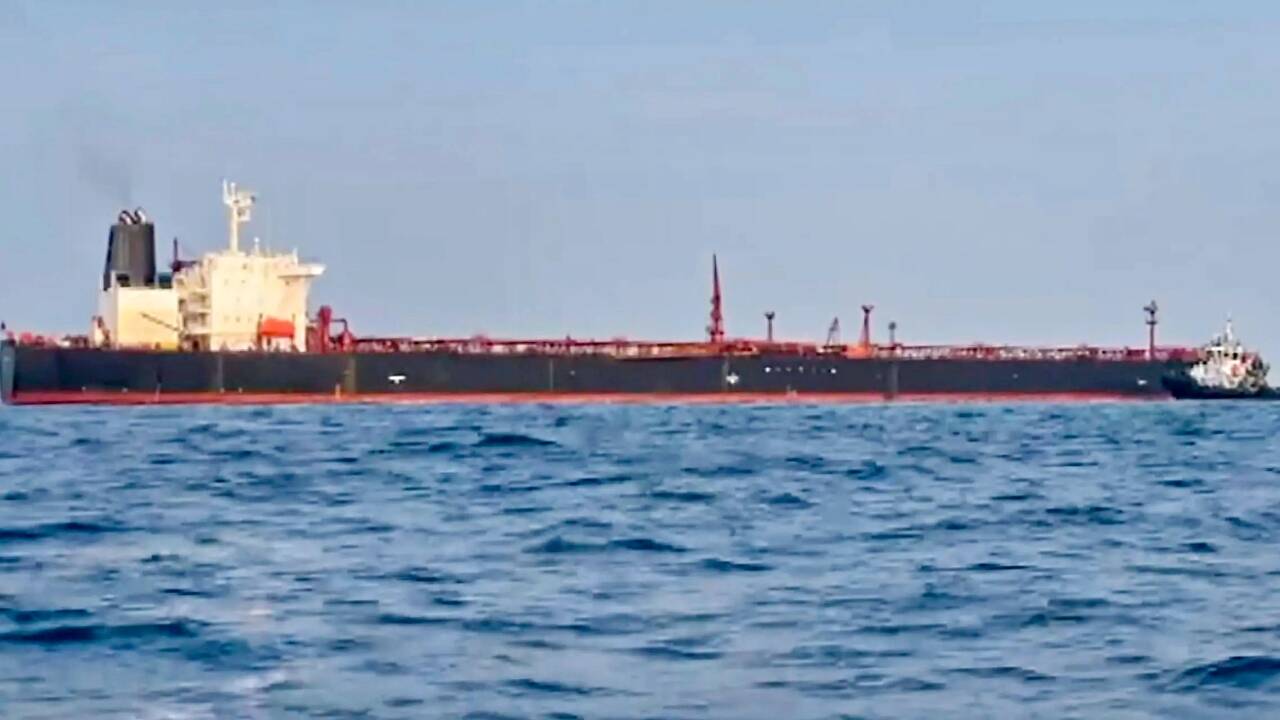
Trade data shows the tanker *Agni* loading gasoline at Vadinar on June 20 for Fujairah, then transiting the Suez Canal northbound—a route that obscures the final destination. Such indirect pathways, facilitated by third‑party traders, allow the transaction to sidestep direct sanction scrutiny while maintaining supply continuity.
Future Outlook
Russia aims to import roughly 400,000 tons of gasoline each month from partners including Belarus and India. Recent amendments to the Russian tax code provide subsidies on fuel imports, with calculations anchored to an indicative Indian gasoline price plus shipping costs. Analysts note that this arrangement embeds India within Russia’s broader fuel‑subsidy architecture, signalling a deeper, albeit indirect, energy partnership that could reshape Eurasian energy geopolitics.