President Donald Trump declared the June 17 ceasefire with Iran void and ordered fresh U.S. air strikes after Tehran targeted oil tankers in the Strait of Hormuz. The escalation threatens global oil markets and revives diplomatic uncertainty in a conflict that has been held in a fragile balance for months.
Key Takeaways
- Trump voids the June 17 Iran ceasefire and orders new strikes
- Iran attacks tankers in the Strait of Hormuz to leverage oil shipments
- Control of the conflict’s tempo now rests with Iran’s ability to disrupt shipping
President Donald Trump announced on Wednesday that the cease‑fire agreement signed on June 17 with Iran is “over,” and he directed the U.S. military to launch fresh air strikes against Iranian targets. The decision follows Tehran’s recent firing on three oil tankers navigating the strategically vital Strait of Hormuz, a move that sent shockwaves through global oil markets.
Historical Context
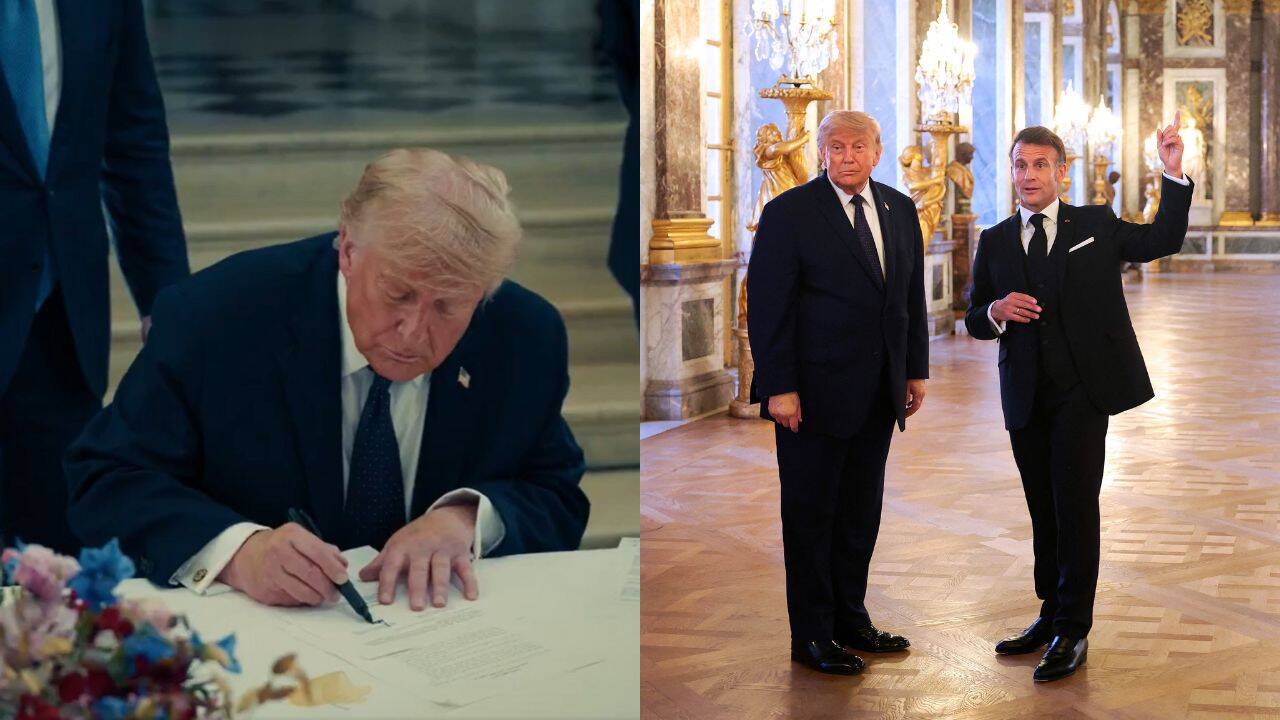
On June 17, the Trump administration signed a 14‑point memorandum of understanding with Iran at the Palace of Versailles – a venue symbolic of the 1919 peace that later failed to prevent World II. The agreement left the management of the Hormuz waterway ambiguous, a gap that both Washington and Tehran have been trying to fill ever since. Roughly one‑fifth of the world’s oil and LNG passes through this narrow channel, making it a linchpin of international energy security.
Iran’s New Leadership and Strategy
After the death of Supreme Leader Ayatollah Ali Khamenei, Iran is now overseen by a more militarized faction led by Mojtaba Khamenei. This new leadership has vowed “we will not fold” and is treating the Hormuz attacks as a “golden weapon” to force recognition as the dominant security power in the region. By disrupting oil shipments, Tehran hopes to demonstrate that any lasting agreement must acknowledge its strategic leverage.
U.S. Response and Possible Outcomes
Following briefings from Secretary of State Marco Rubio and Defense Secretary Pete Hegseth, Trump revoked Iran’s permission to sell oil internationally and ordered approximately 90 strikes on Iranian military infrastructure. Iran retaliated by targeting U.S.–linked facilities and Gulf states hosting American forces. Nevertheless, Washington maintains that diplomatic channels remain open, with Qatar and Pakistan continuing mediation efforts.
Broader Implications
At present, Iran controls the conflict’s tempo: it can disrupt Hormuz at a fraction of the cost required for the United States to guarantee permanent security. Rising fuel prices, voter fatigue ahead of the November mid‑terms, and the economic strain on both sides may limit further escalation. However, if Tehran persists with its leverage strategy, the region could see prolonged instability, prompting a reassessment of global energy routes and security commitments.