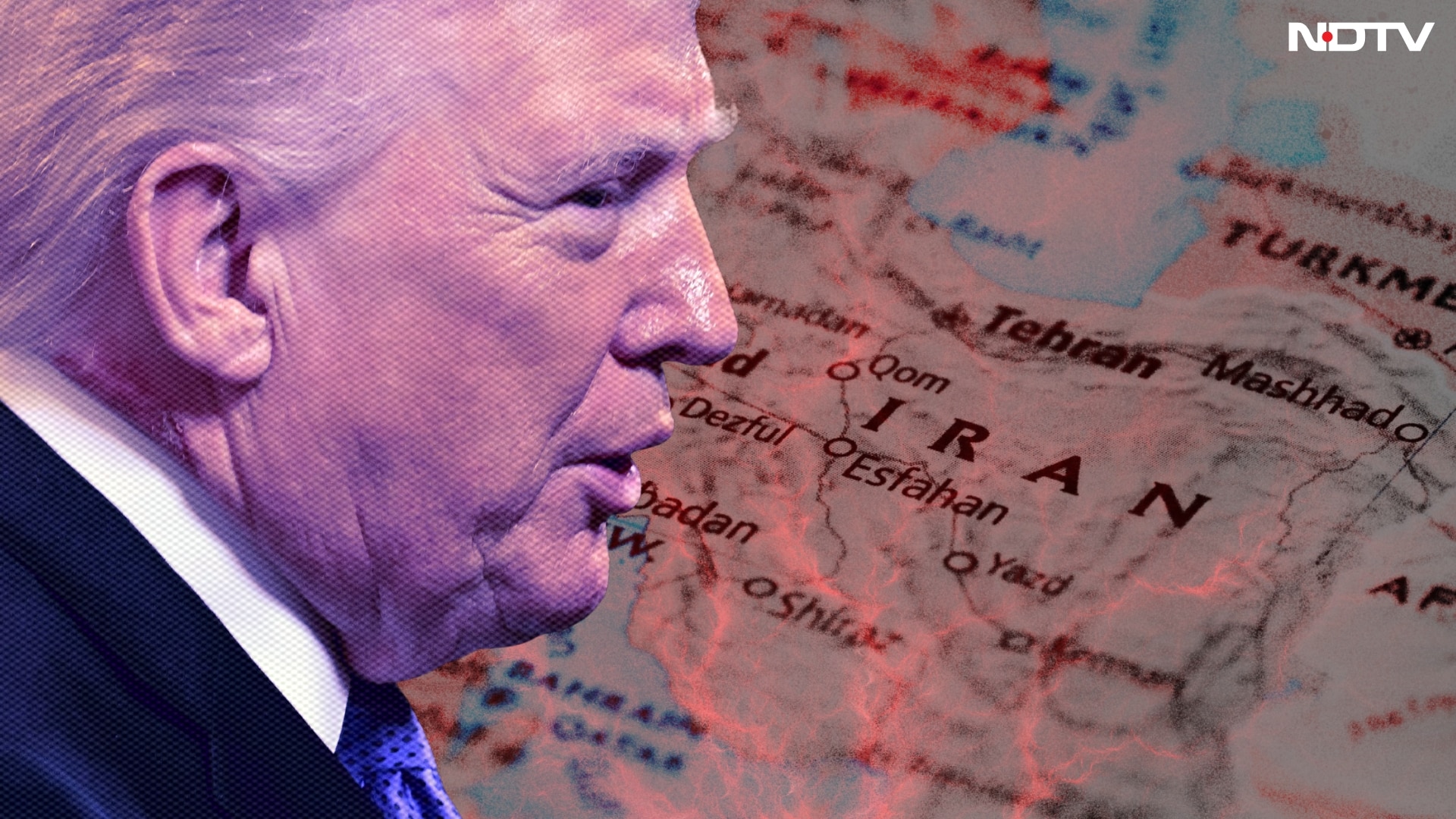
The United States has pledged to continue peace talks with Iran after Tehran's request, yet former President Trump clarified that the ceasefire is no longer in effect. The statement rekindles concerns over lingering tensions between the two nations.
मुख्य बिंदु (Key Takeaways)
- The US will maintain peace talks at Iran's request
- The previously declared ceasefire has been terminated
- Potential shifts in diplomatic dynamics are expected
Former President Donald Trump took to his social platform Truth Social on Friday, asserting that the United States has agreed to keep peace negotiations with Iran ongoing solely because Tehran has asked for it. His remarks highlight two critical aspects: the continuity of dialogue and the termination of the ceasefire.
Background and Historical Context
The US‑Iran relationship spans decades of mistrust, from the 1979 Islamic Revolution and the 2003 Iraq invasion to the 2015 Joint Comprehensive Plan of Action (JCPOA) and its subsequent unraveling. In 2023, tentative talks resumed after partial sanctions relief, yet progress has repeatedly stalled amid political volatility and security concerns.
Trump's Current Statement
According to Trump, "The United States is only continuing talks because Iran itself has expressed a desire to keep them alive." He added, "The ceasefire is now terminated." This signals that Washington is maintaining strategic pressure rather than fully de‑escalating, potentially reshaping the regional security calculus.
Implications and Future Trajectory
If talks persist, they could pave the way for a more stable Middle East, but the end of the ceasefire raises the specter of renewed hostilities. Analysts stress that any bilateral engagement will require heightened transparency and possibly third‑party mediation to avert misunderstandings and accidental clashes.
Conclusion
Trump's comments illuminate the delicate balance between diplomatic outreach and strategic deterrence in US‑Iran relations. The path forward will likely be dictated by a mix of diplomatic goodwill, international pressure, and on‑ground security dynamics.