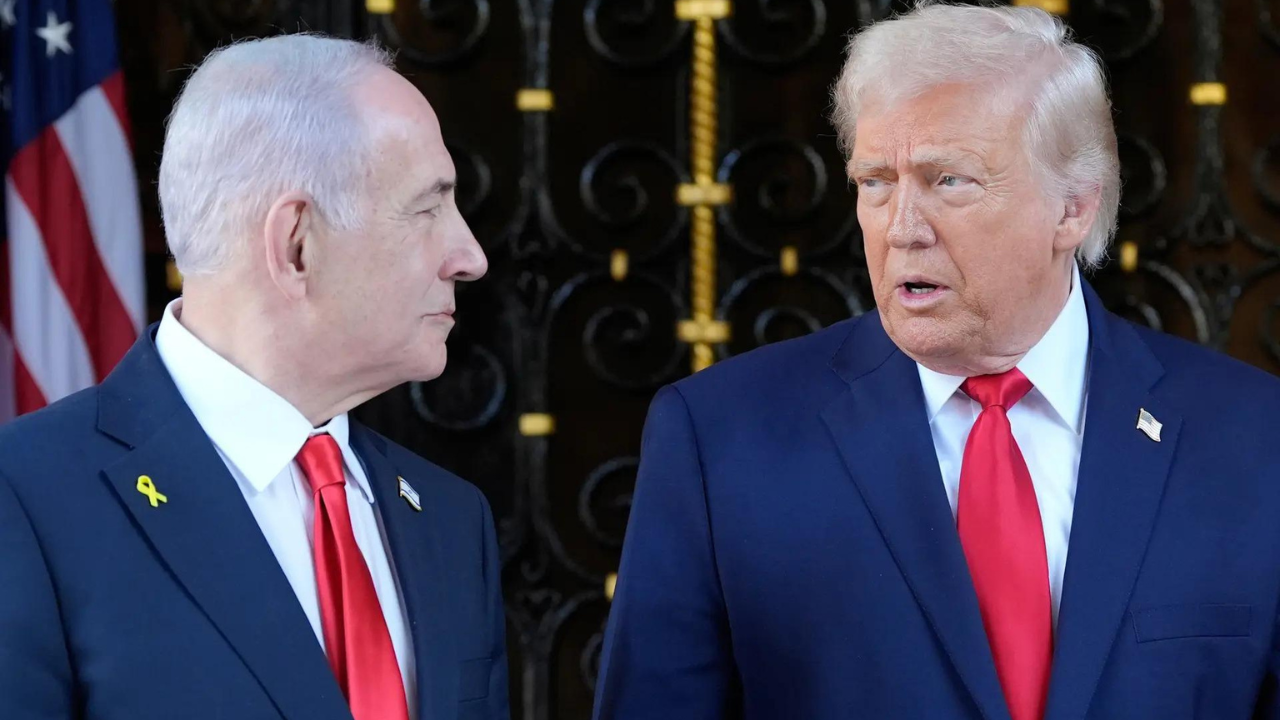
Israel's sharing of alleged Iranian plans to assassinate President Trump raises questions about its strategic motives. The intelligence may be shaping Washington's approach toward Tehran amid fragile cease‑fire talks.
मुख्य बिंदु (Key Takeaways)
- Israel disclosed alleged Iranian plot to kill Trump
- U.S. may leverage this intel to justify military action
- Hardliners in Iran deny operational details while diplomacy stalls
Israel provided U.S. intelligence agencies with a purported Iranian scheme targeting President Donald Trump. While the primary aim was to warn Washington, analysts suggest the move also sought to steer American policy toward a more aggressive stance against Tehran.
Historical Context
Relations between Israel and Iran have been hostile for decades, largely driven by Tehran’s nuclear ambitions and its regional proxy activities. A tentative cease‑fire agreement in 2025 revived hopes for diplomatic engagement, yet both sides have continued covert operations and intelligence exchanges behind the scenes.
Iranian Hardliners and IRGC Commander Ahmad Vahidi
According to sources cited by CNN, newly appointed IRGC commander Ahmad Vahidi was among the officials advocating the targeting of Trump. Vahidi appears on a U.S. “obstructionist” list, and officials have hinted that individuals on that roster could become military targets if hostilities resume.
Trump’s Response and U.S. Policy Implications
In an interview with the New York Post, Trump dismissed Israel’s warning as “nothing,” yet reiterated that Iran has long plotted his assassination. He warned that, had he been killed, he had left “overwhelming military force” instructions for the United States to respond.
Regional Tensions and Future Scenarios
Washington is pressing Tehran for a public guarantee of safe passage through the Strait of Hormuz after recent attacks on commercial shipping. Iran, however, maintains that the strategic waterway is under its sole control and rejects any external security role. Simultaneously, Iran continues to assert that its nuclear program is peaceful while refusing U.S. demands to surrender its stockpile of highly enriched uranium.
If Israel’s intelligence leak indeed nudged U.S. decision‑makers toward a harsher posture, the ripple effects could amplify instability across the Middle East, jeopardizing the fragile cease‑fire and reshaping global security calculations.


