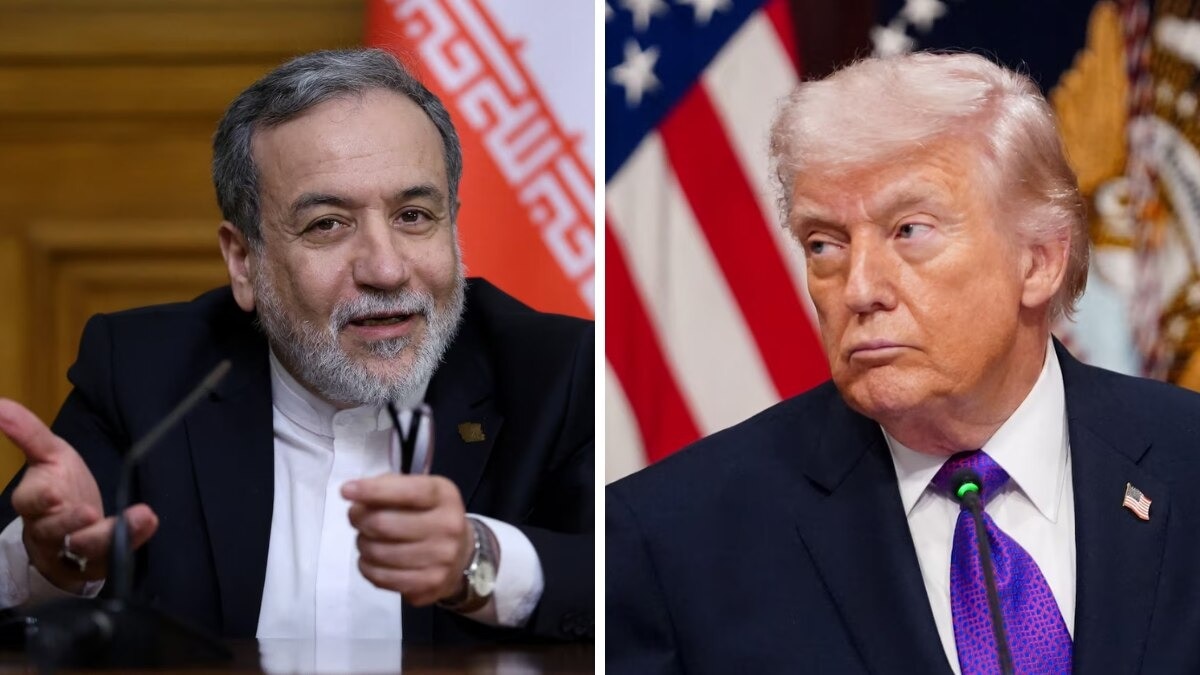
Iran has categorically denied President Donald Trump's claim of seeking talks and warned of a reciprocal response to any breach. The statement could further inflame already strained US‑Iran relations.
मुख्य बिंदु (Key Takeaways)
- Iran rejects Trump's alleged invitation for dialogue.
- Iran vows to respond to any violation of its sovereignty.
- The remark may heighten tensions in US‑Iran relations.
In a press briefing, Tehran’s spokesperson unequivocally dismissed the claim that President Donald Trump had extended an invitation for talks, stating that no such request was received and that Iran is not prepared to engage in negotiations under the current circumstances.
Historical Context
US‑Iran relations have been fraught since the 1979 Islamic Revolution, which transformed Tehran into a staunch adversary of Washington. The 2015 Joint Comprehensive Plan of Action (JCPOA) temporarily eased sanctions, but in 2018 the Trump administration unilaterally withdrew, reinstating economic restrictions and reviving regional tensions.
Current Developments
Recent statements from the Trump administration suggested a willingness to reopen dialogue with Tehran, prompting speculation among diplomatic circles about a possible strategic overture. Iran’s blunt denial underscores its resolve to protect national sovereignty and reject any perceived pressure tactics.
Potential Implications
The declaration could trigger two major outcomes: a) heightened diplomatic friction leading to more severe sanctions or even military posturing, and b) ripple effects across the Middle East, where allies and rivals alike monitor the shift in power dynamics. Analysts warn that without a genuine, mutually‑respectful dialogue, the region’s stability may deteriorate further.
Expert Opinions
International relations professor Dr. Ali Hassan noted, "Iran’s firm stance signals an unwillingness to compromise on sovereignty, highlighting the urgent need for confidence‑building measures. Unilateral actions on either side risk spiraling into open conflict." He emphasized that constructive engagement, rather than retaliatory rhetoric, is essential for de‑escalation.