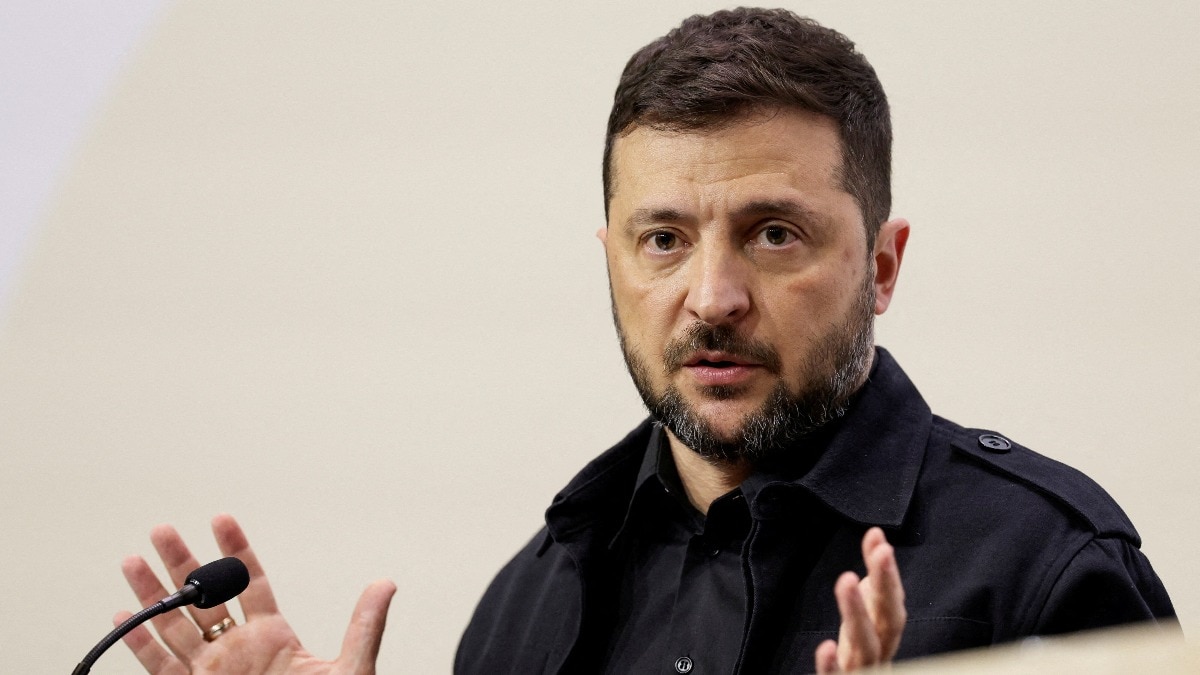
Ukrainian President Volodymyr Zelenskyy announced that officials who permitted a weapons warehouse in a residential area near Kyiv have been identified and will be held responsible after a Russian strike caused deadly explosions. The statement follows a tragedy that claimed ten lives and damaged hundreds of homes.
Key Takeaways
- A Russian strike on a Kyiv suburb warehouse caused secondary explosions, killing 10 civilians.
- Zelenskyy confirmed that officials authorising the depot have been identified and will face legal action.
- Ukraine vows stricter compliance with safety protocols to prevent similar incidents.
Ukrainian President Volodymyr Zelenskyy addressed the nation on Saturday, pledging that any officials who allowed a weapons depot to operate in the residential outskirts of Vyshneve, near Kyiv, will be held fully accountable. The declaration came after a precise Russian missile strike ignited a series of secondary explosions in a warehouse storing arms belonging to the state defense conglomerate Ukroboronprom, resulting in ten civilian deaths and extensive property damage.
Background and Security Lapse
The incident occurred on 12 July 2026 when Russian forces targeted a small town on Kyiv’s western fringe. The depot, located within a densely populated neighborhood, violated both international humanitarian law and Ukraine’s own statutes that prohibit the storage of heavy weaponry in civilian zones. Such violations have long been a point of contention in the ongoing conflict, raising questions about the adequacy of Ukraine’s internal safety oversight.
Zelenskyy’s Response and Investigation
According to the President, the Ukrainian Security Service (SBU) swiftly launched a comprehensive probe that traced the authorization back to senior managers of two state‑owned enterprises under Ukroboronprom. He emphasized that these approvals breached “both the law and a decision of the Supreme Commander‑in‑Chief’s staff.” While the exact names were not disclosed, Zelenskyy assured that each individual will be subject to judicial scrutiny.
Public Outcry and Future Measures
Residents of Vyshneve erupted in protests, accusing officials of negligence and demanding transparency. In response, Zelenskyy vowed that every enterprise manager must guarantee that such tragedies never recur, promising tighter enforcement of safety regulations and rigorous audits of military logistics.
The blast underscores lingering vulnerabilities in Ukraine’s wartime logistics chain and reignites debate over the placement of military assets in civilian territories. International observers are now watching closely to see whether Zelenskyy’s promises translate into concrete reforms, which could shape both domestic confidence and broader geopolitical perceptions of Ukraine’s resilience.