Deputy Prime Minister Ishaq Dar urged both Washington and Tehran to de‑escalate after fresh strikes widened the Gulf crisis. He highlighted diplomacy as the sole path to regional stability and reaffirmed Pakistan’s mediating role.
मुख्य बिंदु (Key Takeaways)
- Pakistan urges immediate de‑escalation by the United States and Iran.
- Ishaq Dar stresses diplomacy as the only viable solution and pledges Pakistan’s constructive mediation.
- New flare‑up threatens to broaden the West Asian security crisis beyond the Gulf.
Islamabad – Deputy Prime Minister and Foreign Minister Ishaq Dar on Sunday appealed to the United States and Iran to exercise maximum restraint as their latest exchange of strikes pushed West Asia to a new brink. Dar placed a phone call to Iran’s foreign minister Abbas Araghchi, expressing grave concern and promising continuous high‑level contact between the two capitals.
Current State of the Conflict
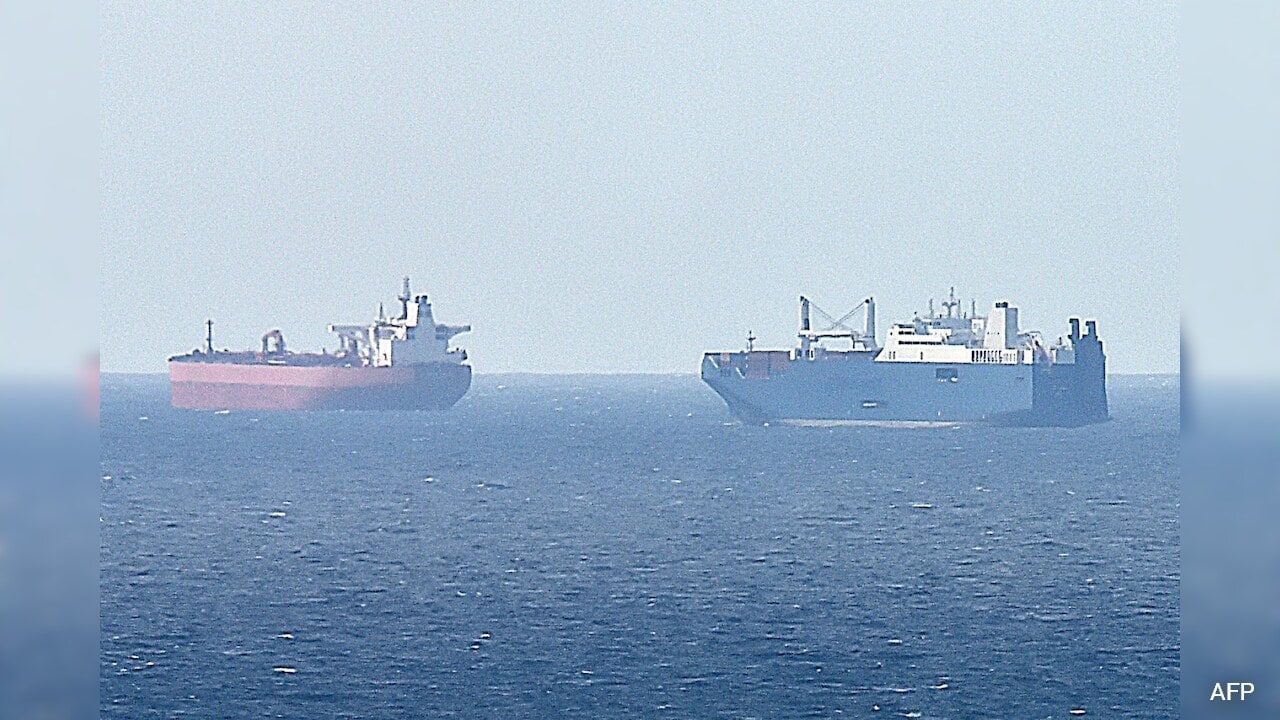
According to multiple sources, the United States launched targeted airstrikes against Iranian facilities early Sunday morning after Iran set a vessel ablaze in the Strait of Hormuz. In retaliation, Iran hit the United Arab Emirates, Bahrain, Kuwait, Qatar and Oman, expanding the theater of conflict across the Gulf. The escalation follows President Donald Trump’s recent declaration that the nuclear‑deal framework with Tehran is “dead,” intensifying regional anxieties.
Ishaq Dar’s Diplomatic Outreach
Dar emphasized that “only dialogue and diplomacy can safeguard regional stability,” reiterating Pakistan’s readiness to play a “constructive role” as a mediator. He cited the Islamabad Memorandum of Understanding (MOU) signed in June 2026, an interim pact between the United States and Iran aimed at curbing hostilities, which Pakistan also endorsed. The statement urged all parties to honour the de‑escalation commitments outlined in that agreement.
Regional Implications and Future Scenarios
Iran’s newly appointed Supreme Leader, Mojtaba Khamenei, in his first public address since his father’s funeral, vowed retaliation, raising the spectre of further military actions. Analysts warn that without a diplomatic breakthrough, the clash could spiral into a broader Middle‑East war, disrupting global oil markets and threatening the economic security of countless nations.
Pakistan’s Emerging Role on the World Stage
Over the past decade, Pakistan has positioned itself as a potential peace‑broker in South‑West Asian disputes. By urging restraint now, Islamabad seeks to prevent a spill‑over that could destabilise not only the Gulf but also South Asian trade routes and energy supplies. The success of this diplomatic overture will hinge on whether Washington and Tehran are willing to move beyond rhetoric and engage in substantive negotiations.