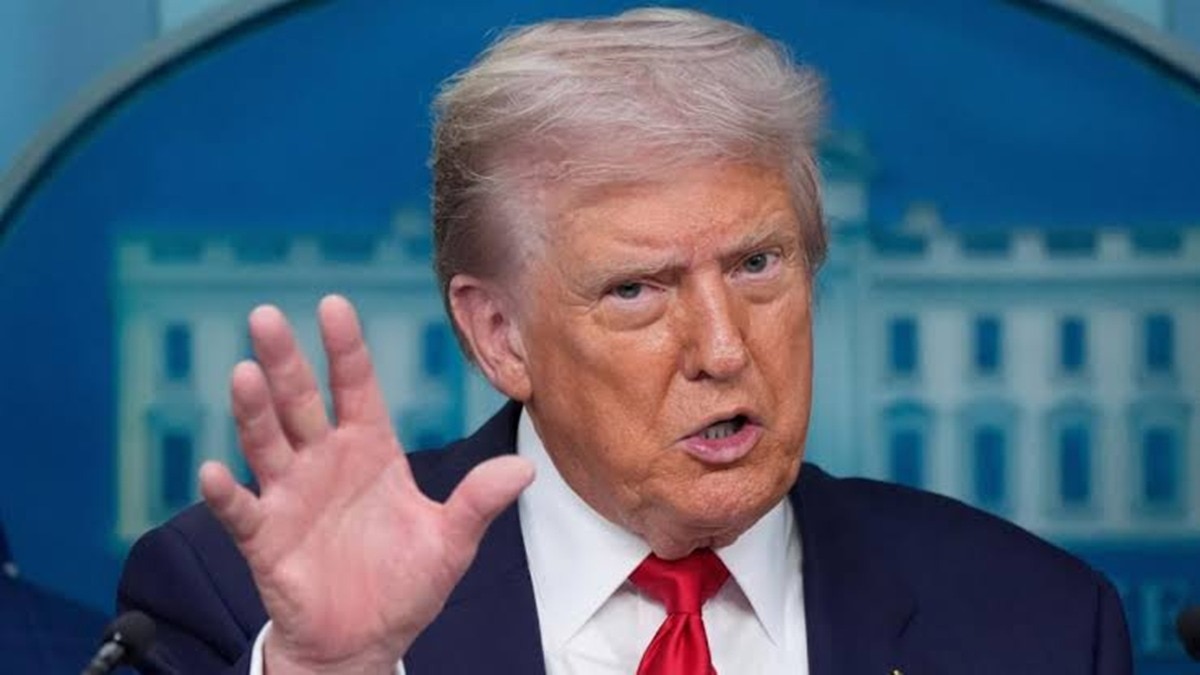
President Donald Trump asserted that the ongoing US military campaign has crippled Iran's navy, air force, and missile/drone capabilities, bringing America close to seizing control of the strategic Strait of Hormuz. He added that a deal was almost final two days ago, but Tehran backed out, prompting a hard‑line US response.
Key Takeaways
- Trump claims the US has virtually destroyed Iran's naval and air capabilities.
- He signals that control of the Strait of Hormuz is within reach.
- Potential ripple effects on global shipping, oil markets, and regional security.
On July 14, President Donald Trump delivered a forceful statement, declaring that the United States has entered the decisive phase of its military campaign against Iran. According to him, in the past four months the US has “virtually eliminated” Iran’s navy, air force, missile and drone production, positioning America near a takeover of the Strait of Hormuz.
Historical Context
The US‑Iran relationship has been fraught for decades—starting with the 1979 Islamic Revolution, the 2003 Iraq invasion, and the 2015 Joint Comprehensive Plan of Action (JCPOA). Trump withdrew the US from the JCPOA in 2018, reinstating sanctions and heightening tensions. Now he frames this policy shift as a "military victory," hoping to reshape the narrative on the international stage.
Assessing the Credibility of Trump’s Claims
Independent analysts and satellite‑imagery experts have questioned the magnitude of Trump’s assertions. Iran still operates a functional air fleet and retains a diverse arsenal of short‑range ballistic missiles. Moreover, the Strait of Hormuz is a vital chokepoint for global oil shipments; any large‑scale military action could trigger price spikes and heightened security concerns for commercial vessels.
Potential Regional Implications
If Trump’s statements reflect reality, the move could redraw the strategic balance in the Middle East. Iran has dismissed the claim as “mockery,” positioning its navy as the “real guardian” of the strait. A renewed US naval blockade or direct control could disrupt oil exports, strain US‑allied Gulf states, and invite retaliation from Tehran or its proxies.
Analytical Perspective
Trump’s rhetoric appears tailored to rally domestic support ahead of a potential political comeback, while simultaneously signaling resolve to allies and adversaries alike. Whether the underlying military situation justifies such bold language remains debatable, but the narrative risks destabilizing a region already prone to flashpoints.