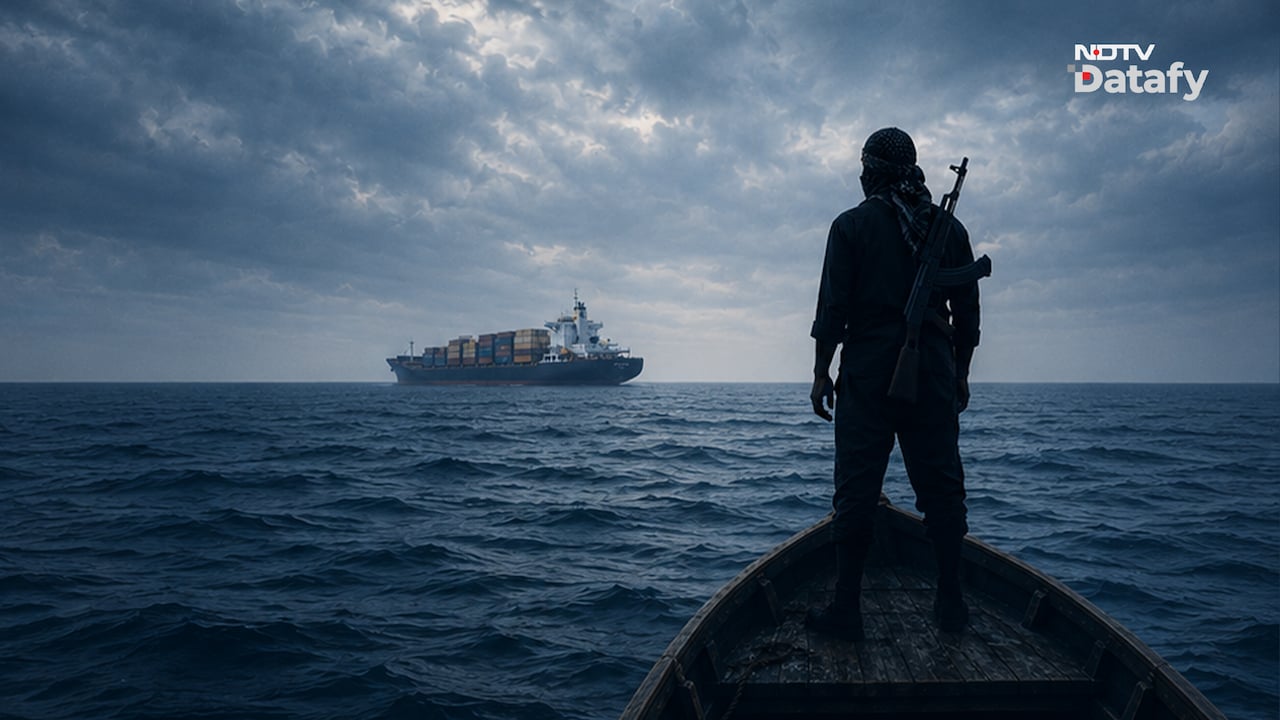
Direct oil traffic through the Strait of Hormuz has dropped to its lowest level in months. However, the global oil supply remains active through strategic ship-to-ship transfers to bypass regional volatility.
- Direct vessel traffic through the Strait of Hormuz has fallen below 20 ships in recent weekend data.
- Ship-to-ship (STS) transfers are being utilized to maintain oil movement outside high-risk zones.
- Geopolitical tensions are significantly altering traditional maritime trade routes.
The global energy landscape is witnessing a significant shift in maritime logistics. Recent data indicates that direct traffic through the Strait of Hormuz has hit a multi-month low, signaling increased caution among global shipping giants. Reports show that during recent weekend periods, the number of vessels traversing this critical chokepoint fell below 20, a stark contrast to historical averages.
Despite the decline in direct passage, the flow of Gulf oil has not ceased. Instead, the industry is pivoting toward ship-to-ship (STS) transfers. This method allows tankers to move crude oil between vessels in open waters, effectively bypassing the most congested and politically sensitive areas of the Strait. This tactical maneuver ensures that supply reaches global markets while minimizing exposure to regional conflicts.
Why This Matters
BozokMedia analysis shows that this shift represents more than just a logistical adjustment; it is a fundamental response to heightened geopolitical risk. The reliance on STS transfers increases operational complexity and costs. As direct traffic diminishes, the global oil supply chain becomes more fragmented, which could lead to increased volatility in energy prices and higher maritime insurance premiums.
The reduction in direct Hormuz traffic is a strategic pivot by oil majors to mitigate the risks of regional maritime warfare.
Historically, the Strait of Hormuz has served as the world's most vital energy artery. However, ongoing tensions involving Iran and regional actors have made the passage increasingly precarious. Sailors and shipping companies are currently navigating a landscape of extreme uncertainty, where traditional routes are being traded for more expensive, indirect alternatives.
The implications for global energy security are profound. If the trend of reduced direct traffic continues, the industry may need to invest more heavily in alternative infrastructure and more sophisticated monitoring technologies to track oil movements that are becoming increasingly opaque due to these transfer methods.
Frequently Asked Questions
Question 1: Why is ship-to-ship transfer used?
Answer: It is used to move oil between tankers in deep sea to avoid navigating through high-risk or congested zones like the Strait of Hormuz.
Question 2: How does this affect oil prices?
Answer: Increased complexity and higher insurance costs associated with these transfers can lead to higher global oil prices.