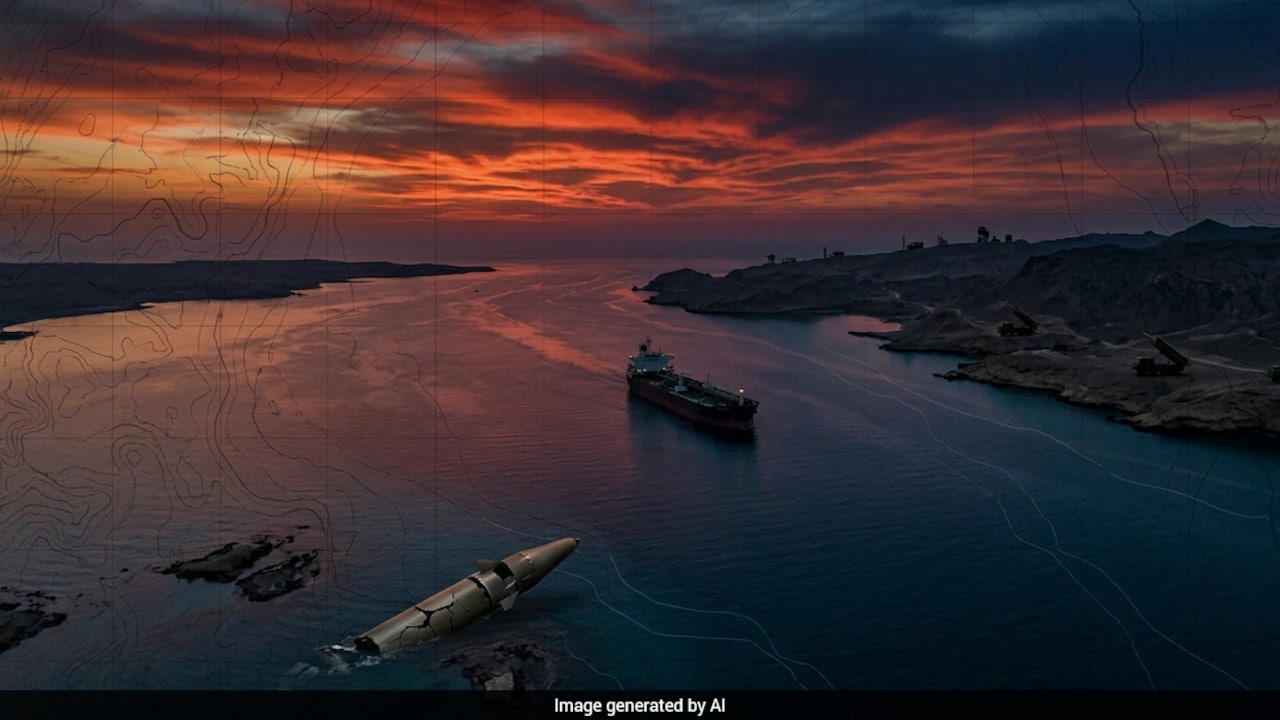
The United Arab Emirates and Iraq have commenced major pipeline and new port projects aimed at circumventing the Hormuz Strait. The move seeks to enhance global oil security while curbing Iran’s geopolitical leverage.
Key Takeaways
- The UAE and Iraq have begun large‑scale pipeline projects to bypass the Hormuz Strait.
- Projects involve multi‑billion‑dollar investments and the development of new ports.
- Goal: strengthen global oil supply security and limit Iran’s influence.
The United Arab Emirates (UAE) has partnered with Iraq to roll out two strategic infrastructure initiatives: a new deep‑water port and an extensive cross‑continent pipeline network that will eliminate the need for oil to transit the congested Hormuz Strait.
Strategic Context
Hormuz, a narrow chokepoint linking the Persian Gulf with the Arabian Sea, has historically carried roughly 20% of the world’s oil flow. Prior to the 2022 regional conflict, this corridor was a critical artery for global energy markets. Repeated Iranian threats to close the strait have spurred producers to seek alternative routes that mitigate supply‑chain vulnerabilities.
Project Details
The UAE‑Iraq alliance focuses on two pillars: first, a new maritime hub near Dubai capable of handling ultra‑large crude carriers (ULCCs) and directly feeding the pipeline system. Second, a 1,300‑kilometer pipeline stretching from Iraq’s northern oil fields to linking terminals in Kuwait and Saudi Arabia, enabling seamless export to the open sea without passing through Hormuz. Combined project costs are estimated at around $15 billion, marking one of the region’s largest public‑private infrastructure endeavors.These investments aim to diversify export pathways, reduce reliance on a single chokepoint, and dilute Tehran’s leverage over global oil supplies.
Implications and Challenges
Successful completion could stabilize crude prices, lower geopolitical risk premiums, and boost economic growth for both Gulf states. Analysts note that while the strategic payoff is substantial, the projects must navigate security concerns, stringent environmental standards, and local stakeholder interests.
Outlook
In an era of heightened geopolitical tension, the UAE‑Iraq pipeline and port initiative signals a decisive shift toward energy resilience. If realized, it will not only invigorate regional infrastructure but also set a precedent for diversified, secure oil transport corridors worldwide.