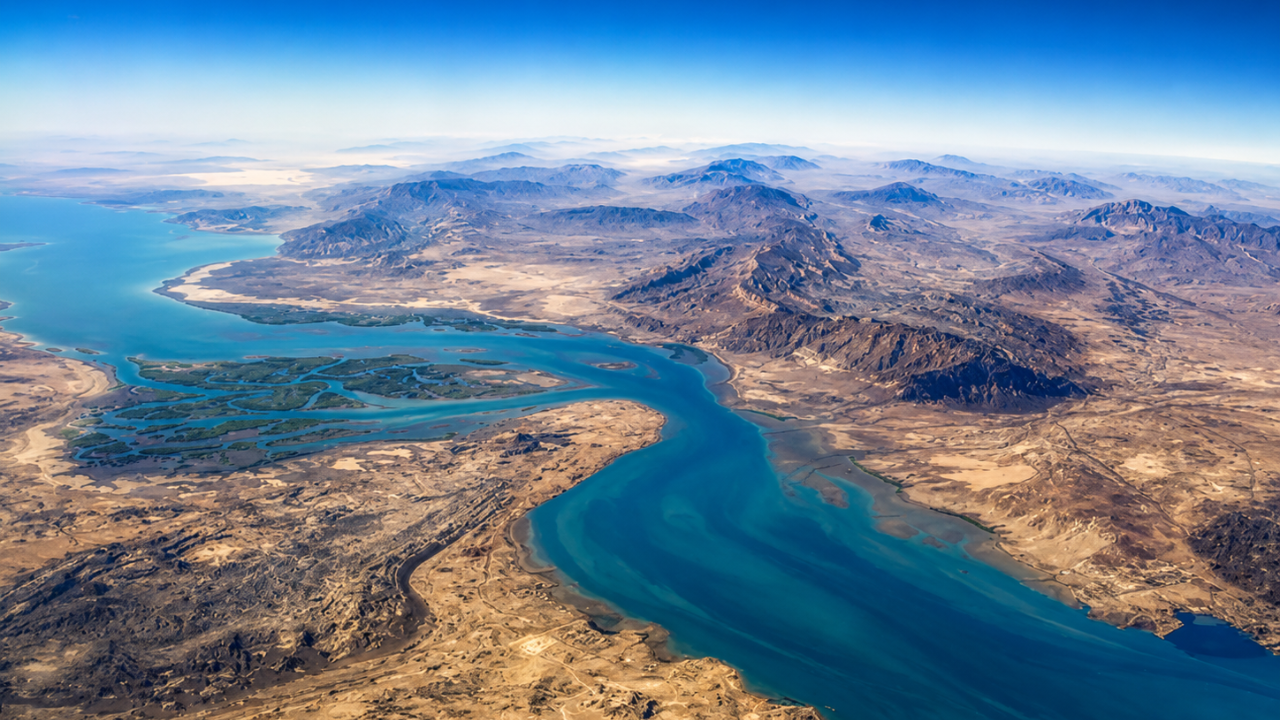
Iran has warned of expanding trade disruptions beyond the Strait of Hormuz, threatening global supplies of oil, LNG, and fertilizers. The escalating tension poses a massive risk to Asian economies.
Key Takeaways
- Iran threatens wider maritime trade disruptions beyond the Strait of Hormuz.
- Crucial commodities like oil, LNG, and fertilizers are at high risk of supply shortages.
- Asian markets face the highest exposure due to heavy energy import reliance.
- Escalating US-Iran military tensions are exacerbating the geopolitical volatility.
The geopolitical landscape of the Middle East has taken a volatile turn as Iran issues stern warnings regarding the disruption of maritime trade routes. Moving beyond the traditional focus on the Strait of Hormuz, Tehran has signaled its intent to target broader trade corridors. This shift in rhetoric represents a significant escalation that could paralyze global supply chains and trigger a massive shock to the world economy.
The Vulnerability of Global Energy Supplies
The Strait of Hormuz has long been recognized as the world's most critical energy chokepoint. However, the threat of a wider blockade extends the peril to other vital shipping lanes used for crude oil, Liquefied Natural Gas (LNG), and fertilizers. A disruption in these flows would not only cause an immediate spike in commodity prices but could also lead to long-term structural inflation across the globe.
Asia: The Epicenter of Economic Risk
While the entire world is at risk, Asia stands as the most vulnerable region. Major economies, including India, China, and Japan, rely heavily on Middle Eastern energy imports to fuel their massive industrial sectors. Any significant blockade would force a redirection of shipping routes, drastically increasing freight costs and energy prices, thereby threatening the economic stability of the world's fastest-growing region.
Military Escalation and Geopolitical Implications
The timing of these threats is particularly sensitive, coinciding with heightened military tensions between the United States and Iran. As US strikes target Iranian capabilities, the risk of a direct military confrontation—or a calculated economic warfare campaign by Tehran—grows exponentially. The international community is now bracing for a scenario where maritime security becomes the primary battleground for regional dominance and global economic leverage.