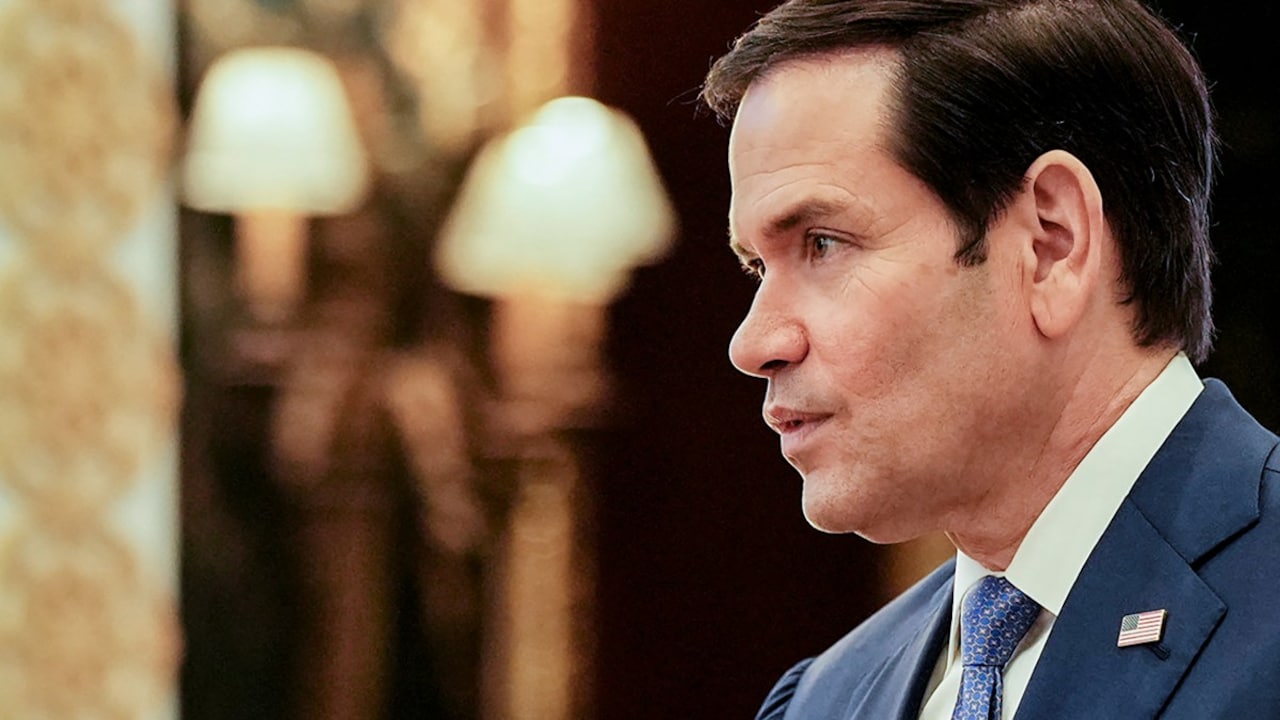
U.S. Secretary of State Marco Rubio will preside over a global ministerial conference on Thursday, aiming to dissect the renewed threat of far‑left political terrorism and devise coordinated counter‑measures. The summit marks a decisive step toward bolstering democratic resilience and international security.
Key Takeaways
- U.S. Secretary of State Marco Rubio chairs an international summit on far‑left terrorism.
- The meeting seeks to identify emerging threats and craft joint response frameworks.
- Potential outcomes include stronger intelligence sharing and coordinated diplomatic strategies.
On Thursday, Washington, D.C., hosted an unprecedented gathering of foreign ministers and security officials to confront the resurgence of "far‑left political terrorism." The session was chaired by U.S. Secretary of State Marco Rubio, underscoring Washington’s intent to place the issue at the forefront of the global security agenda.
Background and Current Landscape
Over the past two decades, far‑left extremist groups have sporadically carried out violent attacks across Europe, Latin America, and parts of Asia. Recent bombings in France and Germany, sabotage of public infrastructure in Belarus, and coordinated cyber‑intrusions illustrate a troubling revival. Analysts link this uptick to socioeconomic disparities, climate‑induced unrest, and a growing sense of disenfranchisement among radicalized youths.
U.S. Leadership and Strategic Intent
America has elevated the threat of far‑left terrorism within its national security doctrine, and Rubio’s role as chair signals a willingness to spearhead a collective response. Participants included NATO allies, the European Union, the United Nations, and several bilateral partners, reflecting a broad coalition intent on tightening security networks and diplomatic coordination.
Anticipated Outcomes and Challenges
Delegates aim to produce actionable policy briefs covering intelligence‑sharing mechanisms, financial‑flow monitoring, and enhanced legal cooperation across borders. Yet, reconciling diverse domestic political climates, safeguarding civil liberties, and preserving the right to legitimate dissent will pose significant diplomatic hurdles.
Implications for Global Security
Should the summit’s recommendations be effectively implemented, they could constitute a pivotal turning point in curbing the re‑emergence of far‑left terrorism. Moreover, the conference may set a new benchmark for international collaboration aimed at protecting democratic institutions and public safety. Policymakers worldwide will now need to integrate these insights into their national strategies, balancing security imperatives with fundamental freedoms.