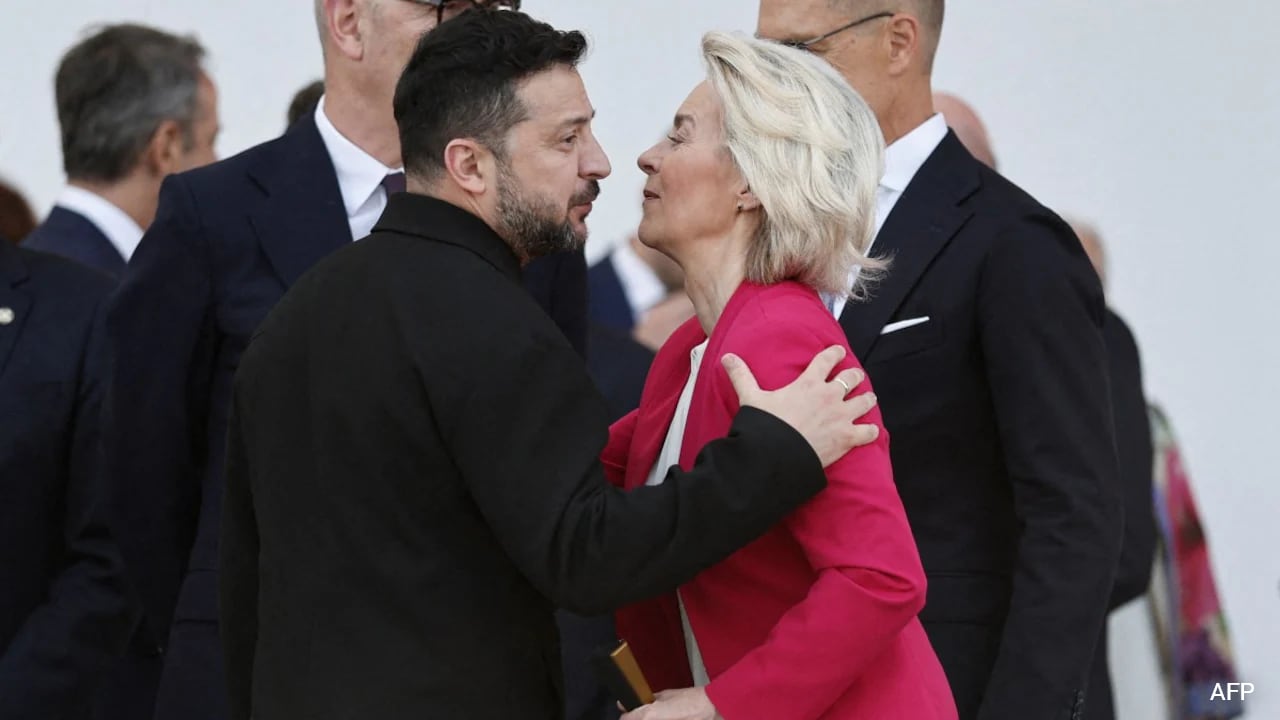
Russia fired multiple ballistic missiles at Kyiv, triggering a series of explosions just after midnight. The attack coincides with European Commission President Ursula von der Leyen’s trip to Ukraine aimed at deepening defence ties, highlighting renewed tensions in the Russia‑Ukraine war.
मुख्य बिंदु (Key Takeaways)
- Russia launched ballistic missiles targeting Kyiv, causing several explosions.
- EU Commission President Ursula von der Leyen is in Ukraine to strengthen defence cooperation.
- The strike escalates diplomatic pressure on ongoing peace negotiations.
Shortly after midnight on Thursday, a cascade of explosions reverberated across Kyiv. An AFP reporter noted that the Ukrainian Air Force issued an alert confirming the approach of several ballistic missiles, prompting civilians to seek shelter amid the sudden blasts.
Background and Historical Context
Since the full‑scale invasion began in 2022, Russia has repeatedly targeted Kyiv with long‑range missiles, aiming to undermine Ukraine’s command infrastructure and morale. The European Union, meanwhile, has pledged sustained military and economic aid to Kyiv, positioning itself as a key strategic partner in the conflict.
Significance of Ursula von der Leyen’s Visit
European Commission President Ursula von der Leyen is on a diplomatic tour of Ukraine, emphasizing deeper defence collaboration and reaffirming Brussels’ commitment to Kyiv’s sovereignty. Her itinerary, which includes meetings with Ukrainian officials and defence officials, underscores the EU’s intent to bolster Ukraine’s resilience against Russian aggression.
Potential Implications and International Reaction
The missile strike has drawn swift condemnation from NATO allies and the United States, who warn that Russia’s escalatory tactics could jeopardise any progress toward a negotiated settlement. European capitals have reiterated promises of additional weapons and financial support, while diplomatic channels intensify efforts to mediate de‑escalation.
Conclusion
As the battle lines sharpen, the convergence of a high‑profile EU visit and a fresh Russian missile offensive signals a precarious phase in the war. The trajectory of future developments will hinge on how quickly the international community can translate political solidarity into concrete security guarantees for Ukraine.