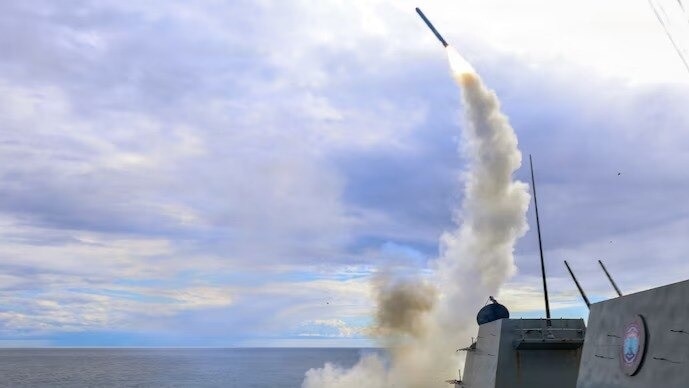
On July 16, the United States launched a second large‑scale air assault on Iranian military installations around the strategic Hormuz Strait, damaging several key facilities. The move has reignited US‑Iran tensions and raised concerns over regional stability and global energy markets.
मुख्य बिंदु (Key Takeaways)
- The United States carried out a second major airstrike on Iranian military sites in the Hormuz Strait.
- The operation was framed as a move to neutralize threats to international shipping.
- Escalation may impact global oil prices, regional security and US‑Iran diplomatic calculations.
New Delhi, July 16 2026 – At approximately 15:00 ET, U.S. forces bombed several Iranian installations that overlook the Hormuz Strait, a waterway through which roughly one‑fifth of the world’s oil passes daily. The White House confirmed that President Donald Trump authorized the strike to protect international maritime trade and to hold Tehran accountable for what Washington describes as “threatening activities.”
Strategic Rationale
The Hormuz Strait is a choke point of outsized importance; any disruption can reverberate across global supply chains. U.S. officials claim Iran has deployed naval mines and radar stations to intimidate commercial vessels, thereby endangering the free flow of goods. By targeting these “threat‑generating” capabilities, Washington aims to re‑assert control over a corridor it deems vital for global commerce.
Historical Context
Tensions around Hormuz date back to the 1979 Iranian Revolution, when Tehran’s anti‑Western stance turned the strait into a geopolitical flashpoint. In 2019, Iran’s naval drills heightened frictions, and in 2022 a series of Iranian‑laid mines damaged a U.S. warship, marking the first direct maritime clash between the two powers. Since then, a series of “military stand‑offs” have kept the region on edge.
Global Implications
The latest strike has already nudged crude‑oil benchmarks upward, reflecting market anxiety over potential supply interruptions. Analysts warn that a retaliatory Iranian response could further inflate shipping insurance premiums and strain the already volatile Middle‑East energy market. Regional allies—UAE, Qatar and Saudi Arabia—may need to reassess their security postures amid the heightened risk of spill‑over.
Looking Ahead
Washington signaled that it will continue “necessary actions” to safeguard navigation, while Tehran denounced the attack as a “wide‑scale aggression” and called for diplomatic redress. The United Nations and other multilateral bodies have urged restraint, but the escalation underscores a broader trend: the Hormuz Strait is evolving from a commercial conduit into a potential arena for great‑power confrontation.