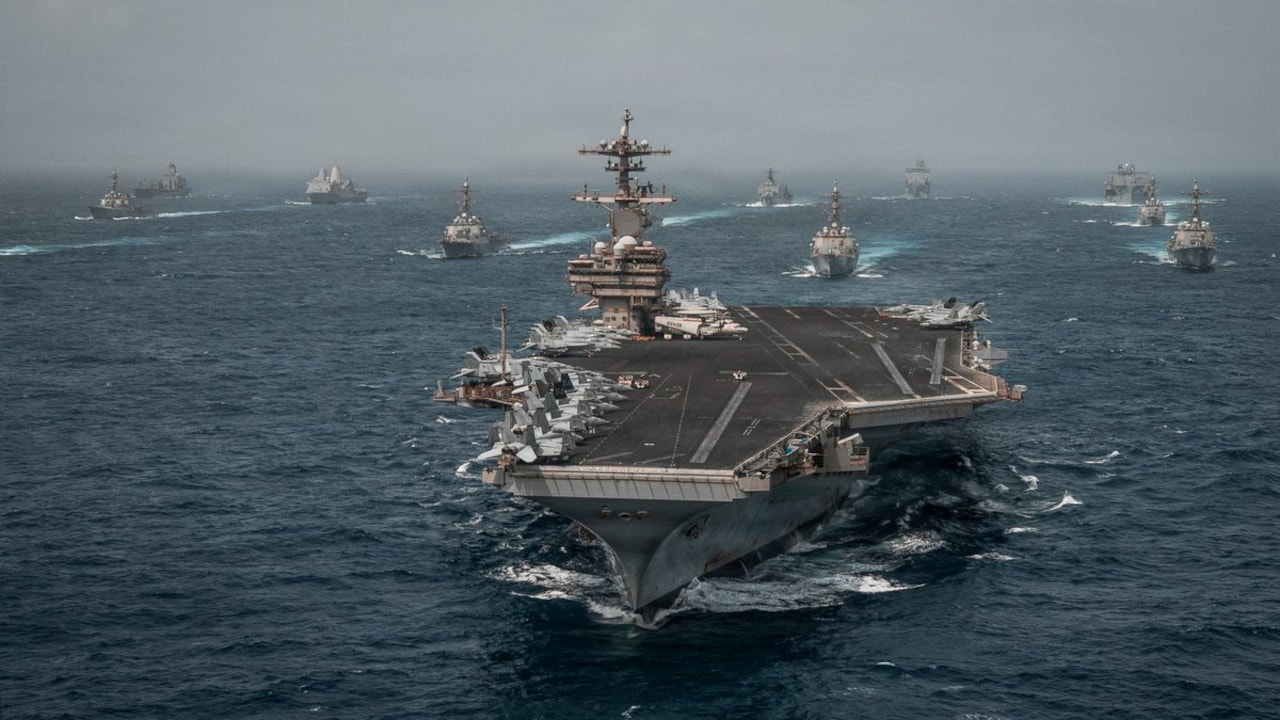
The United States announced a fresh series of air strikes against Iran on Wednesday, aiming to curb Tehran's ability to threaten the strategic Strait of Hormuz. The move is framed as a protective measure for global energy shipping lanes.
मुख्य बिंदु (Key Takeaways)
- The US military has initiated a new wave of air strikes on Iran.
- The objective is to limit Tehran's capacity to endanger the Strait of Hormuz.
- The action escalates existing US‑Iran tensions in a volatile Middle‑East context.
On Wednesday, the US Department of Defense confirmed that a new wave of precision air strikes has been launched against Iran. The primary goal is to diminish Tehran's ability to threaten the Strait of Hormuz, a chokepoint through which roughly a fifth of the world’s petroleum passes. Securing this corridor is vital for maintaining stability in global energy markets.
Historical Context
US‑Iran relations have been fraught since the 1979 Islamic Revolution, followed by decades of sanctions, proxy conflicts, and occasional direct confrontations. Notable flashpoints include the 2019 drone attacks on Iranian oil tankers and the 2020 killing of US personnel in Iraq, which reignited fears of a broader conflict. Iran’s periodic naval drills in the Hormuz region have repeatedly prompted concerns among shipping firms about potential disruptions.
Details of the Latest Strikes
According to Pentagon officials, the latest operation employed advanced stealth aircraft and long‑range munitions to target Iranian air‑defence installations, command‑and‑control hubs, and suspected missile sites. The strikes were limited to pre‑designated zones, and officials stressed that they were not a prelude to a full‑scale invasion.
International Reactions and Possible Fallout
Analysts warn that the strikes could further inflame Middle‑East tensions, potentially prompting Iran to retaliate with asymmetric tactics or missile launches. The European Union and United Nations have called for restraint, urging all parties to pursue diplomatic channels. Iran, meanwhile, condemned the attacks as illegal and vowed a “proportionate response.”
Looking Ahead
Should the escalation continue, the Strait of Hormuz could see increased naval presence, higher insurance premiums for commercial shipping, and volatility in oil prices. The global community faces a delicate balancing act: deterring aggression while avoiding a spiral into open conflict that could have far‑reaching economic and humanitarian consequences.