While border clashes dominate headlines, India and Pakistan have also quietly engaged in significant cooperation. This article blends history, security accords, and the terrorism challenge to illuminate the strategic future of both nations.
Key Takeaways
- During the three major wars, both sides limited attacks to military targets, sparing civilian areas.
- Confidence‑building measures like the 2005 nuclear agreement remain in force and effective.
- Terrorism, especially the Pahalgam tragedy, is the biggest obstacle to sustained bilateral cooperation.
India‑Pakistan ties are often framed by wars and diplomatic setbacks, yet the reality includes numerous instances of restraint and quiet collaboration. This piece uncovers those lesser‑known moments, offering valuable lessons for forward‑thinking policymakers.
Historical Context and Early Conflicts
The three wars of 1947, 1965 and 1971 dominate the narrative, but both militaries displayed a surprising degree of restraint. In 1965, the only serious civilian casualty was at the Ambala church, intended to strike an air base rather than a civilian congregation. Similarly, the 1971 conflict saw attacks focused on oil depots and other military installations, avoiding widespread civilian harm.
Confidence‑Building Agreements
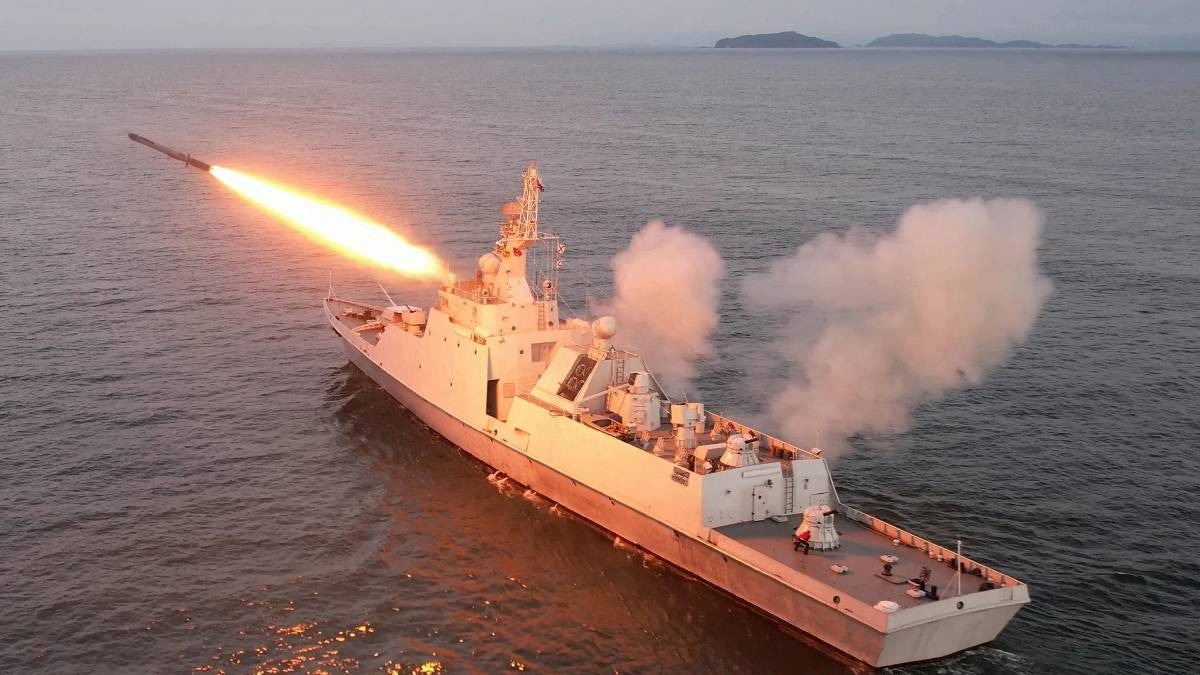
The 2005 nuclear confidence‑building agreement has endured, with the most recent reaffirmation in January 2026—contrasting sharply with the collapse of several US‑Russia arms control pacts in the same period. Its resilience was tested on 9 March 2022 when a technical malfunction caused an Indian missile to inadvertently cross the border. No damage occurred, and both sides launched a high‑level inquiry, underscoring a mutual commitment to crisis management.
The Terrorism Challenge
While military restraint was evident, terrorism shattered that balance. Attempts on General Musharraf’s life in 2003, the 26/11 Mumbai attacks, and the horrific Pahalgam assault have eroded trust. Nonetheless, India’s intelligence agencies covertly assisted Pakistan in foiling several plots, highlighting that cooperation can survive even the darkest moments—provided it remains behind the scenes.
Future Trajectories
Economic pressures and Chinese incursions along the Line of Actual Control have prompted both capitals to explore trade corridors. General Qamar Bajwa advocated leveraging Pakistan’s geo‑economic potential, while both nations upheld cease‑fire commitments during recent border skirmishes. The path forward hinges on addressing the root causes of terrorism while capitalising on mutual economic interests.