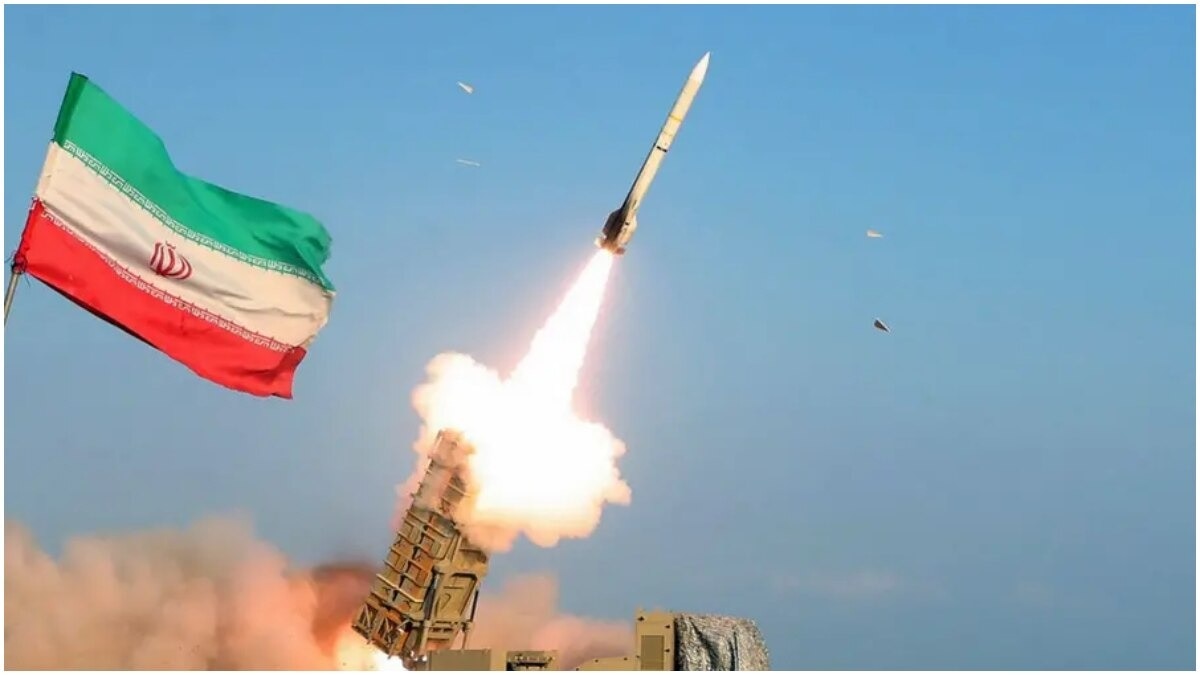
Iran has unleashed its biggest missile strike to date on U.S. installations in Bahrain, intensifying security concerns across the Middle East. The move ties into strategic objectives and a threatened closure of the vital Strait of Hormuz, with global oil markets on edge.
Key Takeaways
- Iran carried out its largest missile attack on U.S. bases in Bahrain.
- Iran vows to keep the Strait of Hormuz closed until three specific conditions are met.
- The strike could trigger volatility in global oil markets and heighten regional tensions.
In response to two back‑to‑back U.S. airstrikes on Wednesday, Iran launched what it describes as its most massive retaliation on Thursday, targeting American military installations in Bahrain. IRGC spokesperson Brigadier General Mohibi labeled the operation “the first phase,” hinting at a potentially broader campaign.
Background and Strategic Significance
The Iran‑U.S. rivalry stretches back to the 1979 Islamic Revolution and has been punctuated by cyber attacks, sanctions, and recent aerial confrontations. Bahrain hosts the U.S. Fifth Fleet, making it a symbolic linchpin of American power in the Gulf. By striking there, Tehran sends a stark message of resistance against perceived U.S. aggression.
Hardline Stance on the Strait of Hormuz
Ground‑force spokesperson Brigadier General Akrami Nia announced that the Strait of Hormuz—one of the world’s most critical oil arteries—will remain sealed until Washington meets three demands: recognition of Iran’s legitimate government, full compliance with the existing Memorandum of Understanding (MoU), and cessation of all hostile actions. A closure would likely surge oil prices and disrupt maritime commerce.
International Reactions and Possible Escalation
While the U.S. has yet to issue an official response, intelligence outlets suggest Washington is weighing further deterrent measures, including heightened satellite surveillance and deeper regional partnerships. The European Union and United Nations have called for restraint from both sides and are discussing an international monitoring mechanism for Hormuz traffic.
Economic and Geopolitical Implications
Any prolonged shutdown of the Hormuz corridor could destabilize global energy markets, driving up crude prices and hampering the post‑pandemic economic recovery. Moreover, Iran’s assertive posture may trigger new alliance formations and reciprocal actions, reshaping the security architecture of the Middle East.
Overall, the Bahrain strike represents a pivotal shift in Iran’s military calculus, with far‑reaching consequences for international trade, energy security, and regional diplomacy.