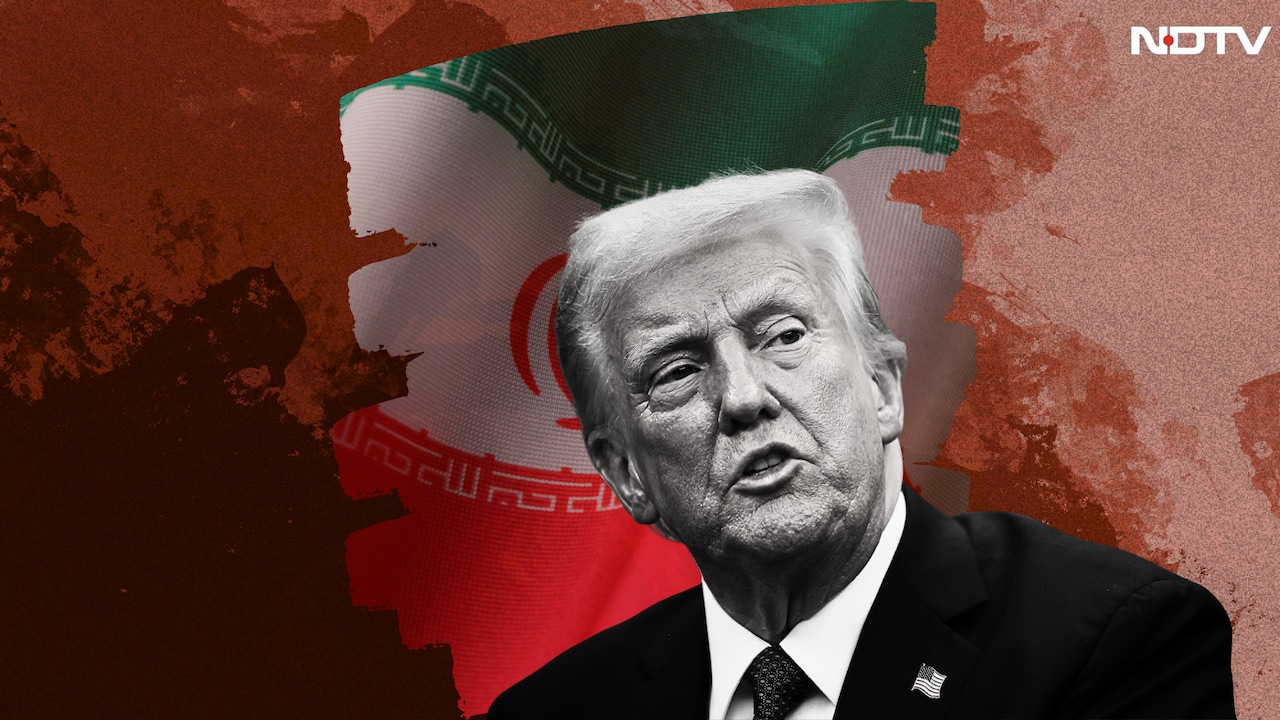
Senatorial candidate JD Vance highlighted Israel's role in steering American public sentiment toward the Iran peace agreement. He warned that certain groups are deliberately manipulating opinion to keep the conflict narrative alive.
Key Takeaways (मुख्य बिंदु)
- JD Vance points to Israel’s active role in influencing U.S. public opinion.
- The manipulation could affect the durability of the Iran peace deal.
- Political divisions in the United States are deepening over the issue.
Senatorial hopeful JD Vance recently told reporters that Israel is deliberately shaping American public opinion to back the recent Iran peace accord. The claim underscores the tangled web of foreign influence in U.S. politics, especially as the Iran‑Israel tension remains a top‑tier security concern.
Background Context
In August 2023, the United States and Iran reached a tentative agreement that many analysts believe was brokered with Israel’s strategic input. To cement the deal, a coordinated effort was made to generate media and think‑tank support, framing the agreement as a safeguard for regional stability. Vance argues that this effort goes beyond diplomatic lobbying—it involves a systematic campaign to sway public sentiment.
Mechanics of Opinion Manipulation
According to Vance, certain “systemic” actors—ranging from lobbying firms to media outlets—are perpetually feeding fear‑laden narratives that keep the prospect of war in the public’s mind. By doing so, they create a fertile ground for Israel‑aligned messaging that portrays the Iran deal as a defensive necessity.
Political Repercussions
The remarks have intensified an already stark partisan divide in Congress. Within the Republican ranks, voices like Vance’s tie Israel’s support to national security, while many Democrats view such external influence as an unethical intrusion into democratic discourse. Consequently, the longevity and implementation of the Iran agreement could face heightened legislative resistance.
Future Outlook
If Vance’s allegations hold water, the episode may trigger a broader reckoning on foreign influence in U.S. media and policy circles. International stakeholders could be compelled to demand greater transparency and accountability from Israel regarding its regional maneuvers, potentially reshaping the trajectory of Iran‑Israel relations.