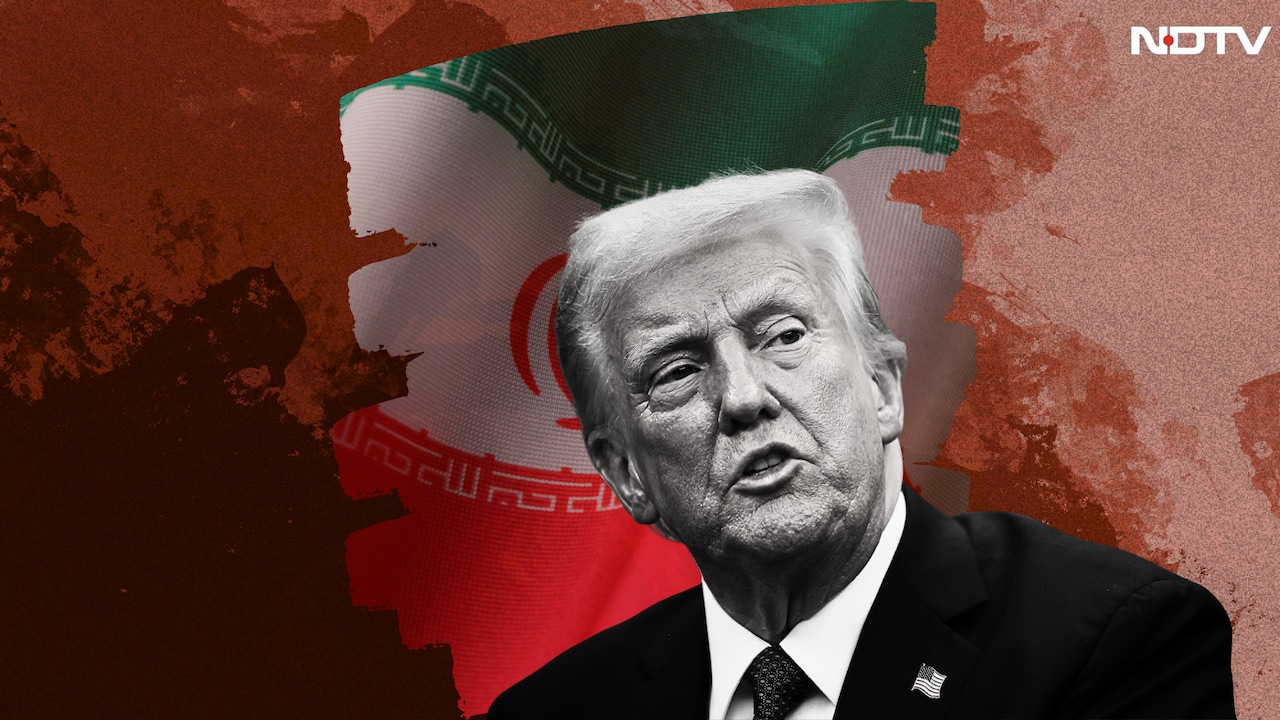
In a high‑level Situation Room meeting on Tuesday night, President Donald Trump and senior officials examined several aggressive military options, including deploying troops to the Hormuz Islands and seizing Iran's strategic Kharg Island. The proposal signals a potential escalation in U.S.–Iran tensions.
Key Takeaways
- Potential deployment of U.S. forces to the Hormuz Islands
- Strategic plan to capture Iran's Kharg Island
- Indications of a large‑scale military operation against Iran
Inside the White House Situation Room on Tuesday night, President Donald Trump convened a senior advisory panel to discuss a series of bold military scenarios. Among the most prominent were the prospect of stationing American troops on the strategically vital Hormuz Islands and orchestrating a seizure of Iran’s oil‑rich Kharg Island.
Strategic Context
The Hormuz Islands sit at the mouth of the Persian Gulf, a chokepoint for global oil shipments and naval traffic. Iran’s control over the strait has historically triggered friction with U.S. naval forces, making any move to place American troops there a potential flashpoint. Kharg Island, home to Iran’s largest oil refinery, is equally crucial; control over it could dramatically curtail Tehran’s export capacity and leverage in regional energy markets.
Proposed Military Actions
During the briefing, officials also floated a plan to bomb “Pickaxe Mountain,” a code‑name for an Iranian missile‑launch site. Analysts suggest that striking this facility would aim to degrade Iran’s ballistic capabilities and secure a safer corridor for U.S. vessels navigating the Gulf. However, such a direct strike carries the risk of provoking a retaliatory response from Tehran and escalating a broader conflict.
International Reactions and Implications
Should the Trump administration move forward with these options, the ripple effects would be profound. European allies, already engaged in diplomatic overtures with Iran, could find themselves pressured to choose between supporting U.S. security objectives and maintaining regional stability. Moreover, global powers such as China and Russia would likely weigh the situation against their own strategic interests, potentially reshaping alliances in the Middle East.
The Road Ahead
While no formal announcement has been made, the very fact that such aggressive scenarios were tabled signals a shift from diplomatic engagement to a more confrontational posture. Experts warn that any implementation would demand meticulous coordination with NATO partners and a clear exit strategy to avoid a protracted war that could disrupt global oil markets and destabilize the region.