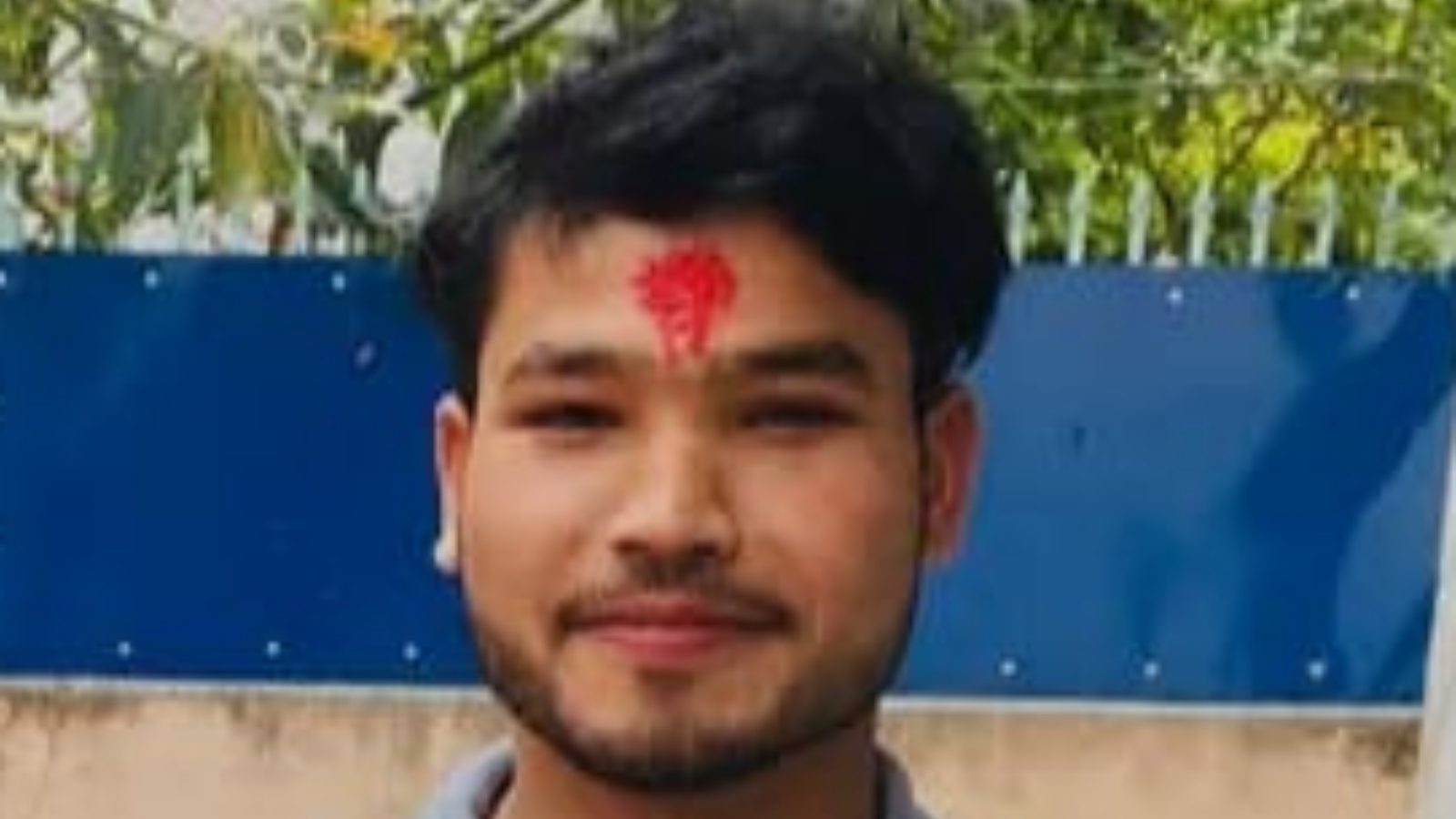
A 25‑year‑old named Ganesh set himself ablaze after a police clash, becoming a potent symbol of dissent against Prime Minister Balendra Shah's administration. Government promises of employment, education support, and possible martyr status highlight deep socio‑political tensions in Nepal.
Key Takeaways
- Ganesh's self‑immolation sparked fresh Gen Z‑driven protests against Balendra Shah's rule.
- The government pledged jobs, education funds and a potential martyr designation for his family.
- The incident intensifies existing anger over trade‑union bans, student‑group dissolutions and ordinance‑driven governance.
On July 10 in Kathmandu, 25‑year‑old Ganesh Nepali set himself on fire after police clamped the wheels of his motorcycle during a routine checkpoint at the Department of Passports complex. The act, born out of desperation, quickly morphed into a rallying point for a broader anti‑government movement that began less than four months ago when Balendra Shah rode a wave of Gen Z support to power.
Socio‑Economic Background
Ganesh was a ride‑sharing driver; his motorcycle was not a luxury but his main source of livelihood. He came from a Dalit family in the remote Mugu district, reliant on government social‑security benefits. The incident underscores the precariousness of low‑income workers in Nepal, especially those from historically marginalized communities.
Government's Immediate Response
Home Minister Sudhan Gurung ordered Ganesh’s admission to a top hospital and announced personal monitoring of his case, even preparing an air‑transfer to AIIMS Delhi if required. Despite these measures, Ganesh succumbed after nearly a day of intensive care. His cremation took place near the iconic Pashupatinath Temple, attended by families displaced during a recent demolition drive that also fueled protests.
Compensation Package and Potential Martyr Status
Following negotiations with Ganesh’s family, the administration formed a five‑member investigative team headed by a Deputy Inspector General of Police. It offered his widow, Ekmaya Pariyar, a government job at age 20, funding for their two‑year‑old daughter’s education, and a newly issued citizenship certificate—critical for accessing public sector benefits. Sources suggest the state may also declare Ganesh a “martyr,” a status traditionally reserved for Maoist cadres killed during past agitations.
Political Repercussions
The tragedy has amplified criticism of Shah’s policies, which include dissolving trade unions, disbanding student organisations, and bypassing Parliament with executive ordinances. Opposition leaders accuse the government of politicising Ganesh’s death, while the Prime Minister’s Principal Secretary, Kumar Ben, appealed to roughly 50,000 contract workers to resume duties, promising job security.
Family Perspective and Future Aspirations
Ganesh’s elder brother, Madan, a civil‑engineering diploma holder working as a labourer, described their family’s struggle: “We are Dalits; our parents are marginal farmers who sent us to the city for honest work.” The brothers had planned to return home for the Dashain festival and hoped to eventually seek overseas employment in the Gulf, Japan, or South Korea.
Analytical Outlook
Ganesh’s self‑immolation is more than a personal tragedy; it reflects a growing Gen Z disillusionment with a government perceived as authoritarian and indifferent to the economic plight of the poor. Unless Balendra Shah’s administration moves beyond symbolic gestures to substantive reforms—addressing labor rights, social security, and inclusive governance—the protests risk evolving from sporadic outbursts into a sustained challenge to Nepal’s political stability.