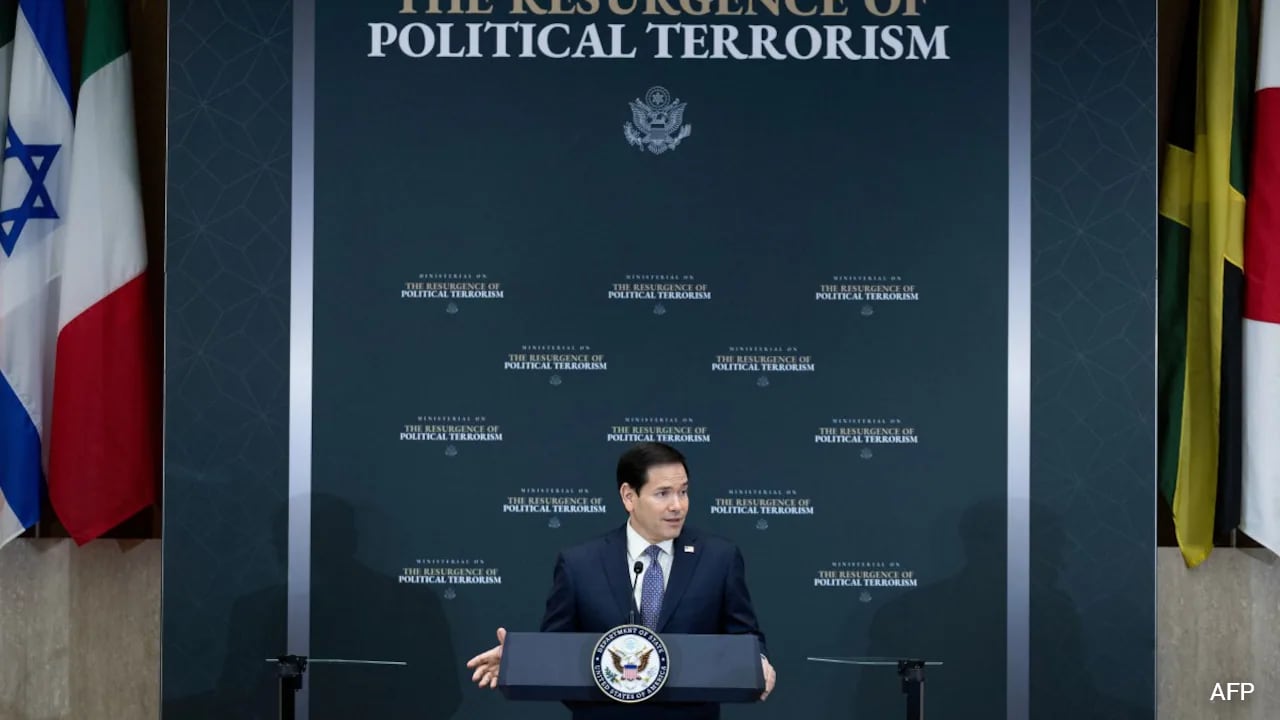
U.S. Secretary of State Marco Rubio labeled left‑wing extremism as fueled by a 'hatred for civilization' and called for global cooperation to combat this renewed threat.
Key Takeaways
- The United States imposes visa bans on individuals tied to far‑left terrorist organizations.
- Secretary of State Marco Rubio describes the ideology as rooted in a hatred for civilization.
- The policy seeks coordinated international enforcement.
The United States unveiled a robust new measure on Thursday targeting left‑wing extremists, placing visa restrictions on anyone linked to so‑called "far‑left terrorist" groups. In a forceful address, Secretary of State Marco Rubio warned that this wave represents "a new wave of this old evil" and urged nations worldwide to cooperate in curbing the menace.
Policy Genesis and Historical Context
While the U.S. has previously sanctioned terror-affiliated entities—primarily Islamist or right‑wing groups—this marks the first explicit focus on far‑left networks. Rubio asserted that the core driver of this extremism is a "hatred for civilization itself," a sentiment he ties to recent domestic incidents where attackers cited anti‑civilization rhetoric. The move follows a series of high‑profile violent episodes in 2022‑2023 that investigators linked to anarchist and anti‑fascist circles.
Mechanics of the New Visa Ban
The directive tasks the State Department with identifying individuals who have direct or indirect affiliations with designated far‑left groups, such as anti‑fascist collectives, anarchist cells, or other radical leftist organizations. Those identified will face immediate visa denial or revocation, affecting travel, study, and employment opportunities in the United States. The ban also extends to academic and research visas, aiming to pre‑empt potential recruitment of foreign nationals into extremist activities.
International Response and Implications
Rubio emphasized that the success of this initiative hinges on "global cooperation," urging NATO allies, EU members, and other partners to adopt parallel restrictions. Reactions across Europe are mixed: security‑focused nations have signaled readiness to align, while human‑rights advocates warn of possible overreach that could infringe on free speech and legitimate dissent. Countries like India have expressed a willingness to evaluate the measure within the framework of international law and bilateral agreements.
Looking Ahead
Experts suggest the visa curbs could blunt the operational capacity of far‑left extremist cells, limiting their ability to travel, network, and access resources. However, the policy also raises profound questions about the balance between national security and civil liberties. If the approach proves effective, it may set a precedent for other democracies to follow, potentially reshaping global counter‑terrorism strategies against left‑wing radicalism.

