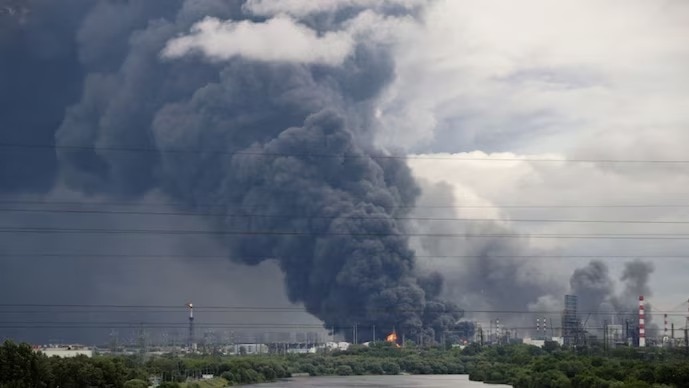
On July 16, Russia fired a coordinated barrage of ballistic missiles and drones over Kyiv, with at least eight missiles targeting the capital. Ukraine’s air force warned citizens to stay in bunkers and cautioned about further attacks. This marks the seventh large‑scale strike on Kyiv this month, intensifying the already volatile Russia‑Ukraine conflict.
Key Takeaways
- Russia launched at least eight ballistic missiles toward Kyiv
- Ukraine urged civilians to remain in shelters
- This is the seventh major strike on the capital in July
In the early hours of July 16, Russian forces once again targeted Ukraine’s capital, Kyiv, with a mixed salvo of ballistic missiles and drones. According to the Ukrainian air force, a minimum of eight missiles were launched, and several drones penetrated the city’s airspace, triggering multiple explosions and a sustained anti‑aircraft response.
Details of the Attack
Kyiv’s mayor, Vitali Klitschko, reported that a warehouse on the city’s western outskirts was struck directly, while debris from intercepted missiles fell along the eastern banks of the Dnipro River. Ukrainian authorities immediately issued an alert, urging residents to seek shelter in reinforced bunkers and avoid public spaces, citing the likelihood of additional missiles or drone strikes.
Political Context
The strike comes amid internal political turbulence in Ukraine, following the recent dismissal of Defense Minister Mykhailo Fedorov. The timing suggests a strategic move by Moscow to exploit perceived Ukrainian vulnerability, marking the seventh large‑scale missile assault on Kyiv in July alone. Earlier in the month, a massive attack on July 14 resulted in seven fatalities and 78 injuries, while prior incidents in early July claimed dozens of lives.
Humanitarian Impact
Continuous bombardments have severely disrupted civilian life in Kyiv. Schools, hospitals, and industrial facilities have suffered damage, forcing many residents to remain in underground shelters. International humanitarian organizations have called for increased aid deliveries and safe‑zone provisions, emphasizing the need for both belligerents to adhere to international humanitarian law.
Looking Ahead
Security analysts warn that the persistence of such high‑intensity attacks could compel a reassessment of Europe’s broader defense posture. Ukraine may seek greater military assistance from NATO allies, while diplomatic channels will be under pressure to broker a de‑escalation. The evolving dynamics of the Russia‑Ukraine war will have far‑reaching implications for regional stability and global security architecture.