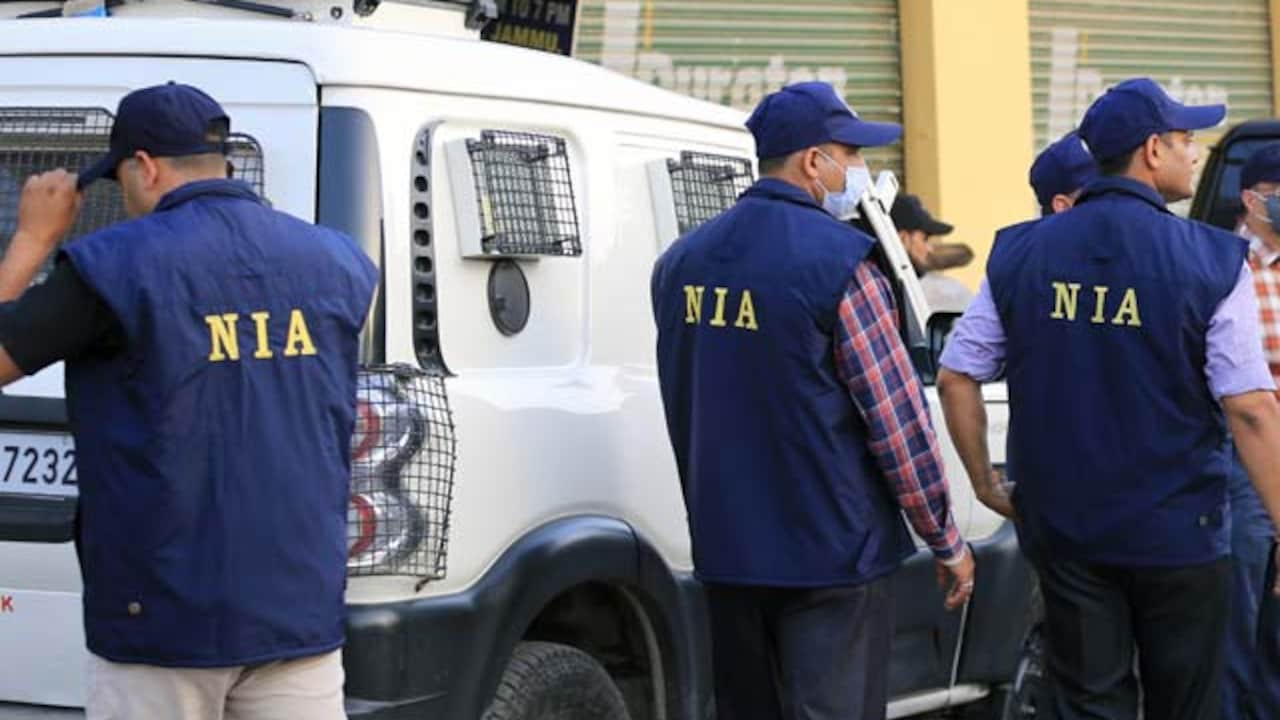
A Special NIA Court has ordered the framing of charges against ten accused linked to a drug‑smuggling syndicate that funded terrorist activities in Jammu & Kashmir. Officials say investigations are still ongoing.
Key Takeaways
- Special NIA Court orders charge framing against 10 accused
- Case involves cross‑border drug smuggling to fund terrorism
- Step is crucial for cutting terrorist financing in Jammu & Kashmir
The Special National Investigation Agency (NIA) Court has taken a decisive legal step by directing that charges be framed against ten individuals accused of running a transnational narco‑terror financing network. The alleged syndicate is said to have smuggled narcotics into Jammu & Kashmir, channeling the proceeds to support terrorist groups operating in the region.
Background and International Dimension
For more than two decades, India has repeatedly warned that cross‑border drug trafficking serves as a primary source of funds for terrorist outfits. Routes from Pakistan and Afghanistan have historically funneled illicit drugs into the volatile Jammu & Kashmir area, where they are sold to bankroll weapons procurement, training camps, and operational costs. The resulting cash flow has posed a persistent threat to regional stability and national security.
Legal Framework and Charge Details
The court’s order marks the beginning of a formal prosecution phase. Prosecutors must now draft a comprehensive charge sheet that is expected to include sections on drug trafficking, terrorist financing, and organized crime under the Indian Penal Code and the Unlawful Activities (Prevention) Act. Key provisions such as Section 121A (financing of terrorist acts) and Section 34 (common intention) are likely to be invoked, providing a robust legal basis for conviction.
Current Investigation Status and Potential Impact
The NIA has confirmed that ongoing investigations aim to identify additional conspirators and map the full extent of the syndicate’s operations. Should the ten accused be convicted, the disruption could significantly curtail the flow of illicit money to terror networks in Jammu & Kashmir, delivering a strategic blow to their operational capabilities. Security analysts anticipate that this outcome will set a precedent for faster, more decisive action in similar cases.
Future Implications
Beyond the courtroom, the decision underscores India’s resolve to combat transnational crime and terrorist financing through coordinated legal and intelligence efforts. In the context of heightened Indo‑Pak tensions, the move signals a firm stance against any external attempts to destabilize the region. It is expected to encourage tighter cross‑border cooperation and more stringent monitoring of narcotics routes, thereby strengthening the nation’s overall counter‑terrorism architecture.