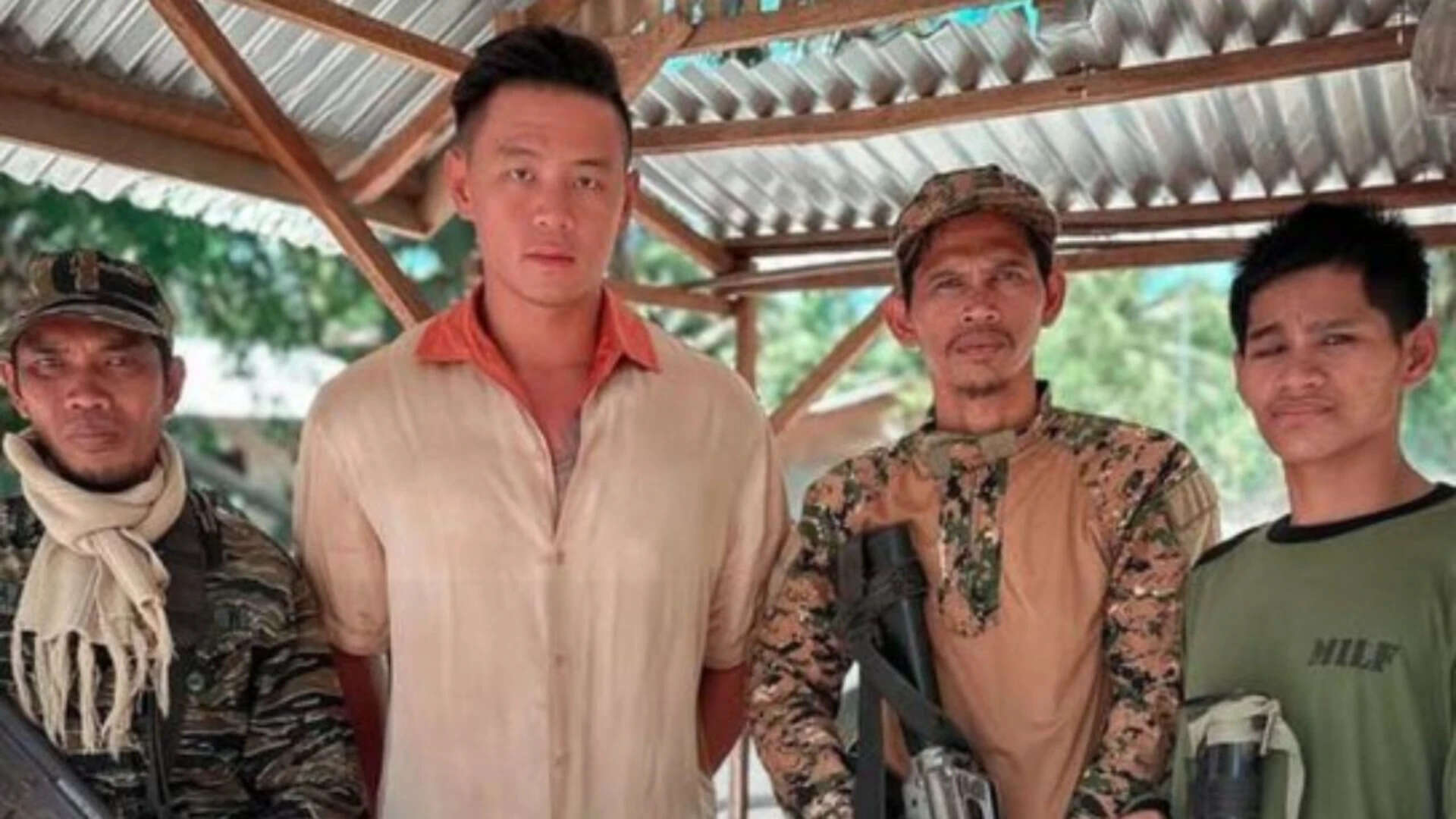
Arnold Putra faced a life-threatening ordeal in Myanmar prisons after a Buddha tattoo led to accusations of rebel ties. A diplomatic intervention finally secured his safety.
Key Takeaways
- Arnold Putra faced severe persecution in Myanmar due to a Buddha tattoo on his body.
- The military junta suspected him of links to outlawed student activist groups.
- He endured extreme pressure and was transferred to a brutal labor camp.
- Indonesian diplomatic intervention was crucial in modifying his tattoo to ensure his survival.
In the volatile political landscape of Myanmar, the line between personal expression and political insurgency is perilously thin. For Arnold Putra, this line was drawn in ink. What began as a spiritual tribute in the form of a Buddha tattoo quickly transformed into a death sentence as he navigated the treacherous corridors of the Myanmar prison system under military rule.
Accusations of Insurgency
Putra's descent into legal and physical peril began when he was apprehended due to perceived connections with student organizations. These groups, which advocate for democratic reforms, have been branded as 'terrorists' by the ruling military junta. Under intense interrogation, Putra was subjected to relentless pressure to confess to providing material or logistical support to anti-government rebels—accusations that carried the weight of extreme violence in the current regime.
The Horror of Labor Camps
The situation escalated from psychological warfare to physical survival when Putra was transferred to a high-security labor camp. In these facilities, the conditions are notoriously inhumane, designed to break the spirit of detainees. His tattoo, rather than being a symbol of peace, became a target for guards and officials who viewed it through a lens of suspicion and hostility. The threat to his life became imminent as the stigma of his markings intensified his vulnerability.
Diplomatic Intervention and Survival
The turning point in this harrowing saga came through the intervention of an official from the Indonesian embassy. Recognizing the unique cultural and political sensitivity of the situation, the embassy facilitated a desperate but necessary measure: the modification of the tattoo. By altering the imagery to remove its controversial or religious connotations, authorities were able to mitigate the immediate threat to his life, allowing him to navigate the prison system without being a constant target for the junta's aggression.
Broader Implications
The case of Arnold Putra serves as a chilling reminder of how political regimes can weaponize identity. In a state where dissent is criminalized, even the most innocuous symbols can be reinterpreted as acts of rebellion, leaving individuals to fight for survival against a system that views them as existential threats.