A massive maritime disaster has struck off the Myanmar coast, with UN agencies fearing over 500 deaths as two boats carrying Rohingya refugees capsized.
Key Takeaways
- Over 500 people, primarily Rohingya refugees, are feared dead after two boats capsized off Myanmar's coast.
- The vessels departed from Rakhine State in late June, seeking safety and better living conditions.
- UN agencies warn that the Andaman Sea and Bay of Bengal have become the world's deadliest maritime routes for migrants.
- The incidents occurred outside the regular sailing season, amidst hazardous maritime conditions.
A catastrophic maritime disaster has unfolded off the coast of Myanmar, leaving more than 500 people feared dead. According to a joint statement by the International Organization for Migration (IOM) and the UN refugee agency UNHCR, two vessels carrying desperate refugees capsized during a perilous attempt to cross the sea in search of safety and stability.
Details of the Maritime Disaster
The preliminary reports indicate that the two boats departed from Myanmar’s Rakhine State in late June. The majority of the passengers were members of the persecuted Rohingya minority, with some also originating from refugee camps in Bangladesh. The first vessel, carrying approximately 250 passengers, lost contact shortly after departure. The second boat, carrying 280 people, is believed to have capsized off the Irrawaddy coast on July 8.
UN officials emphasized that these journeys were undertaken outside the standard sailing season, a period characterized by highly volatile and hazardous maritime conditions, significantly increasing the risk of such fatal accidents.
The Growing Rohingya Refugee Crisis
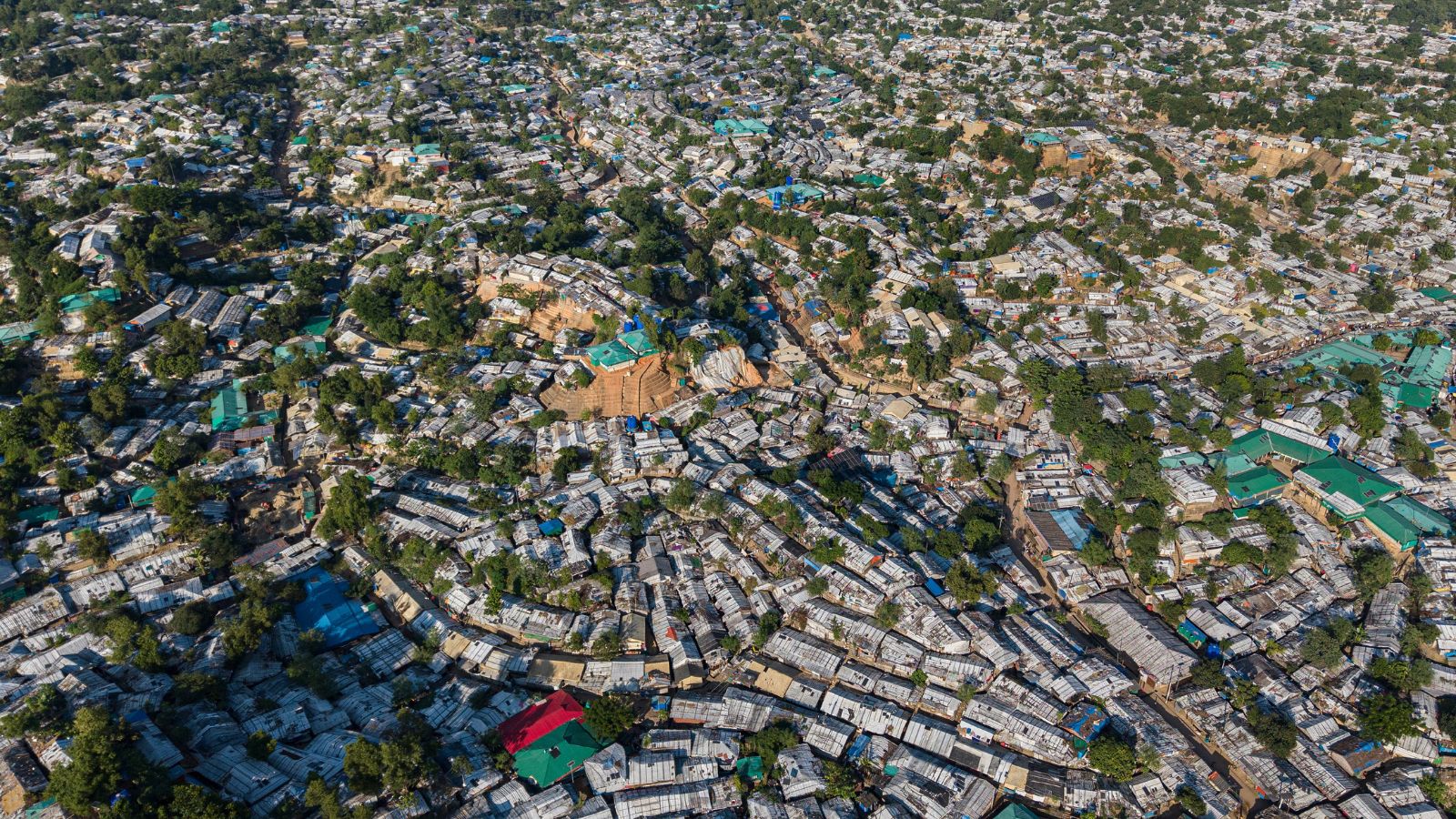
The plight of the Rohingya stems from the 2017 military offensive in Rakhine State, which triggered a massive exodus of hundreds of thousands of people fleeing persecution. This crisis has led to one of the largest refugee populations in the world, many of whom reside in overcrowded camps in Bangladesh.
The statistics surrounding this migration route are harrowing. In 2025, nearly 900 Rohingya refugees were reported missing or dead in the Andaman Sea and the Bay of Bengal. As of 2026, approximately 300 more people have been reported missing. The UN has officially categorized this maritime corridor as the deadliest route in the world for migrants and refugees, highlighting a systemic humanitarian failure that continues to claim lives at an alarming rate.