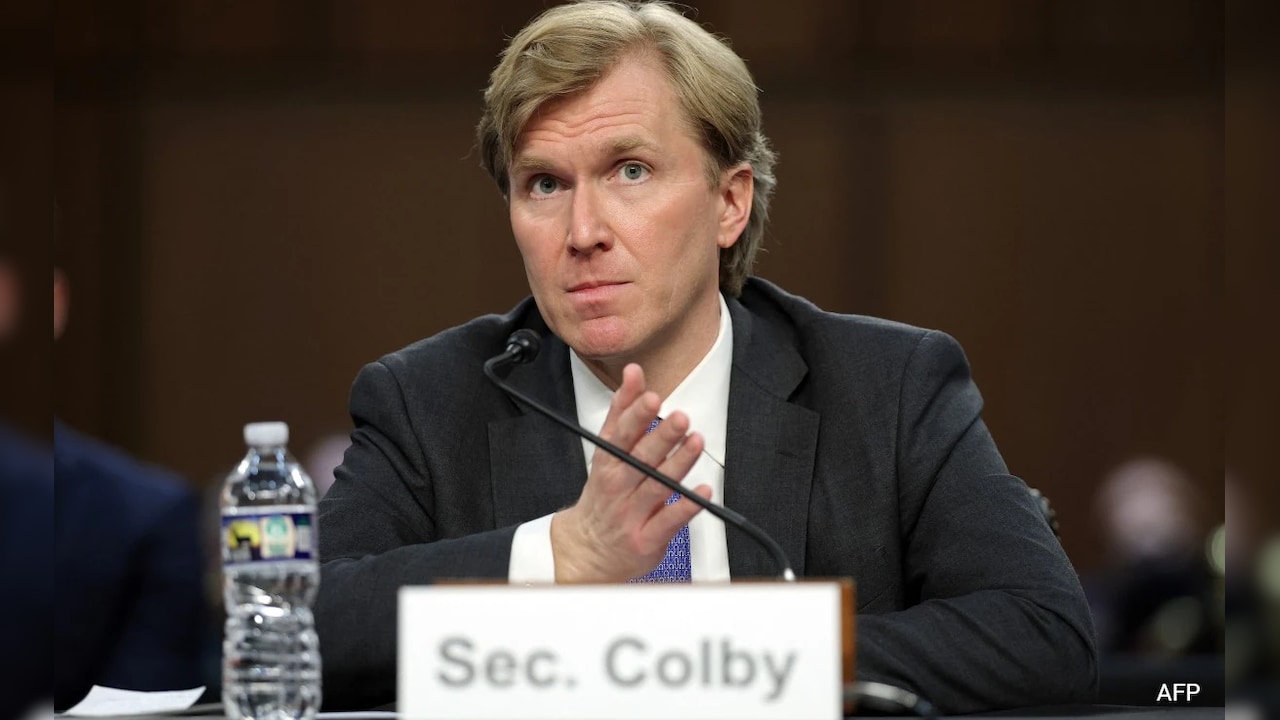
A recent post by a senior US defense official regarding the definition of 'allies' has sparked a debate on the future of India-US strategic ties. This analysis explores the potential implications for New Delhi.
Key Takeaways
- A senior US defense official's comments on 'allies' have raised questions about India's standing in US circles.
- The distinction between a 'partner' and an 'ally' is becoming increasingly critical for India's foreign policy.
- Shifts in US strategic doctrine could challenge India's long-standing policy of strategic autonomy.
A recent social media post by a senior US defense official, Colby, has sent ripples through the diplomatic community, framing a potentially thorny question for India-US relations. While seemingly subtle, the discourse surrounding how the United States defines its 'allies' carries profound implications for India, a nation that has carefully navigated its position on the global stage for decades.
The Tension Between Partnership and Alliance
The crux of the issue lies in the nuanced difference between being a 'strategic partner' and a 'formal ally.' India has consistently championed the doctrine of Strategic Autonomy, allowing it to maintain diverse relationships—ranging from defense cooperation with the US to energy ties with Russia. If the US defense establishment begins to narrow its definition of 'allies' to include only those who strictly adhere to a singular geopolitical bloc, India's unique multi-aligned approach may face significant friction.
Navigating the Indo-Pacific Dynamics
As the Indo-Pacific region becomes the primary theater of global competition, particularly regarding the rise of China, the US views India as an indispensable pillar of stability. However, the 'allies' rhetoric suggests a shift toward a more transactional or bloc-based foreign policy. For India, the challenge lies in reaping the benefits of high-tech defense transfers and intelligence sharing with Washington without being forced into a formal military alliance that could jeopardize its regional neutrality and sovereignty.
Implications for Future Diplomacy
The commentary by Colby serves as a harbinger of a changing American worldview. As the US re-evaluates its global commitments, India must prepare for a landscape where the expectations of its partners might become more rigid. Maintaining a robust relationship with the United States while preserving the ability to act independently in its own national interest will be the defining diplomatic challenge for New Delhi in the coming decade.

