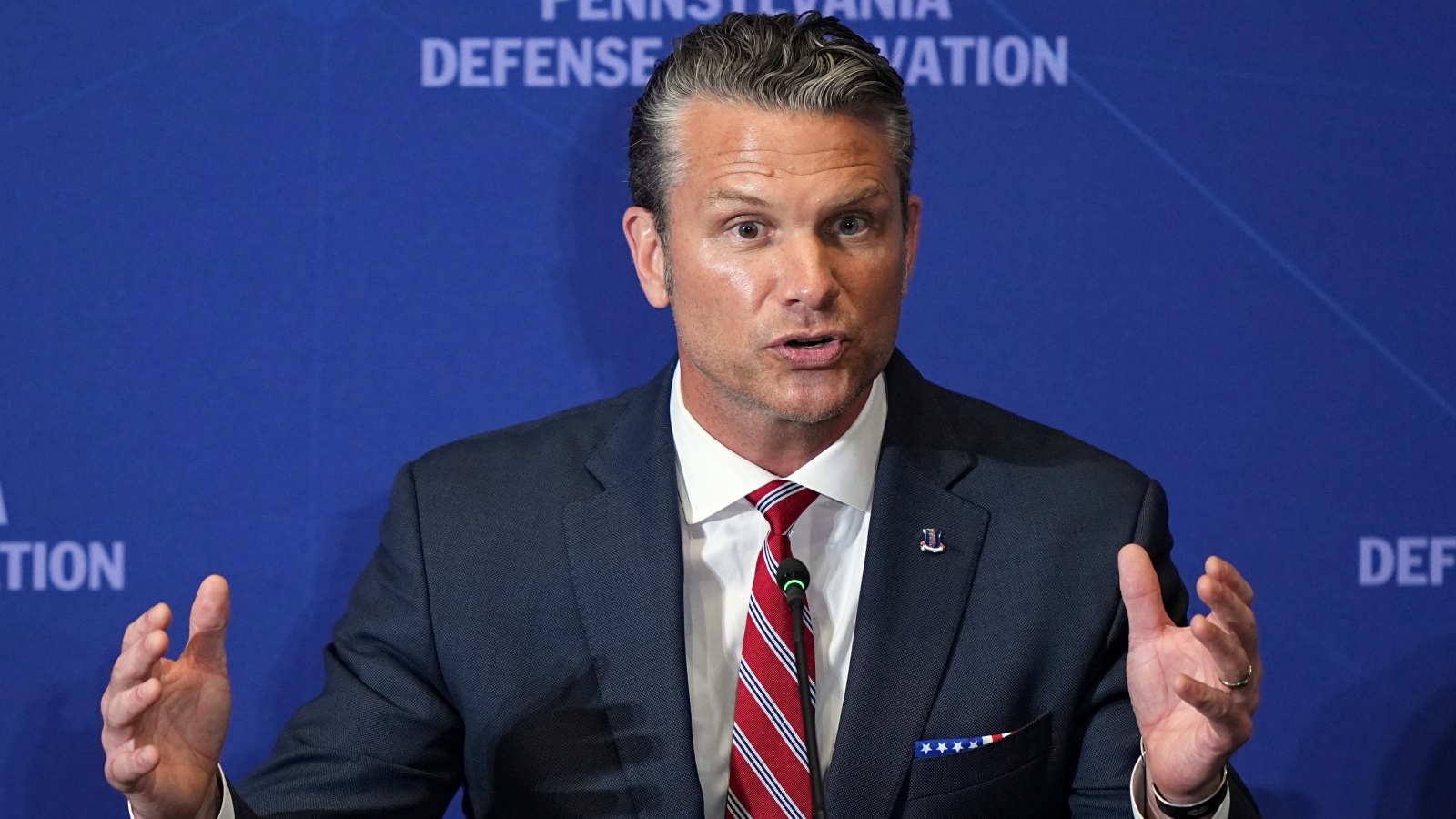
In a landmark move to bolster combat readiness, US Defense Secretary Pete Hegseth has ordered annual testosterone screenings for all active-duty service members aged 30 and above.
Key Takeaways
- Mandatory annual testosterone screening for all active-duty military personnel aged 30+.
- Hormone Replacement Therapy (TRT) remains voluntary for those diagnosed with deficiencies.
- The policy aims to maintain physical strength and mental resilience for modern warfare.
- Democratic lawmakers have criticized the move, citing contradictions with transgender service policies.
United States Defense Secretary Pete Hegseth has ignited a massive debate within the defense and medical communities following a sweeping new directive. Under the new mandate, all active-duty service members aged 30 and older must undergo annual testosterone screening as part of their routine medical evaluations. The Pentagon asserts that this initiative is vital to identifying hormone deficiencies that could compromise military readiness.
Enhancing Combat Readiness
In a video address, Hegseth emphasized that the policy is designed to ensure that the nation's troops remain "strong, resilient, and capable" of meeting the grueling demands of the modern battlefield. He noted that as personnel age, natural declines in testosterone can impact physical and psychological performance. By identifying these drops early, the military aims to provide options for Testosterone Replacement Therapy (TRT) to help soldiers operate at their absolute peak.
It is important to note that while the screening is mandatory, the decision to undergo hormone therapy remains entirely voluntary. Furthermore, service members under the age of 30 may request testing if they believe it is necessary for their health. This move aligns with broader efforts by the Trump administration to expand access to hormone treatments.
Political Backlash and Gender Debates
The announcement has not been without controversy. Democratic lawmakers have quickly pointed to perceived inconsistencies in the Pentagon's stance. Congresswoman Summer Lee questioned the logic of supporting hormone therapy for older men while maintaining bans on certain types of gender-affirming care for transgender service members. Senator Tammy Duckworth, a combat veteran, echoed these concerns, suggesting the policy appears inconsistent with existing military healthcare restrictions.
Additionally, lawmakers like Representative Chrissy Houlahan have urged the Pentagon to extend hormone-related health screenings to female service members, particularly regarding reproductive health and menopause, arguing that hormonal health is a universal military concern.
Medical Caution and Performance Concerns
While the Pentagon maintains that this is a health-driven initiative rather than an attempt at "artificial performance enhancement," medical experts are urging caution. Historically, the use of performance-enhancing substances has been a concern within elite units, such as the Navy SEALs. Medical professionals emphasize that hormone replacement therapy should be strictly reserved for individuals with clinically documented deficiencies to avoid unnecessary health risks.