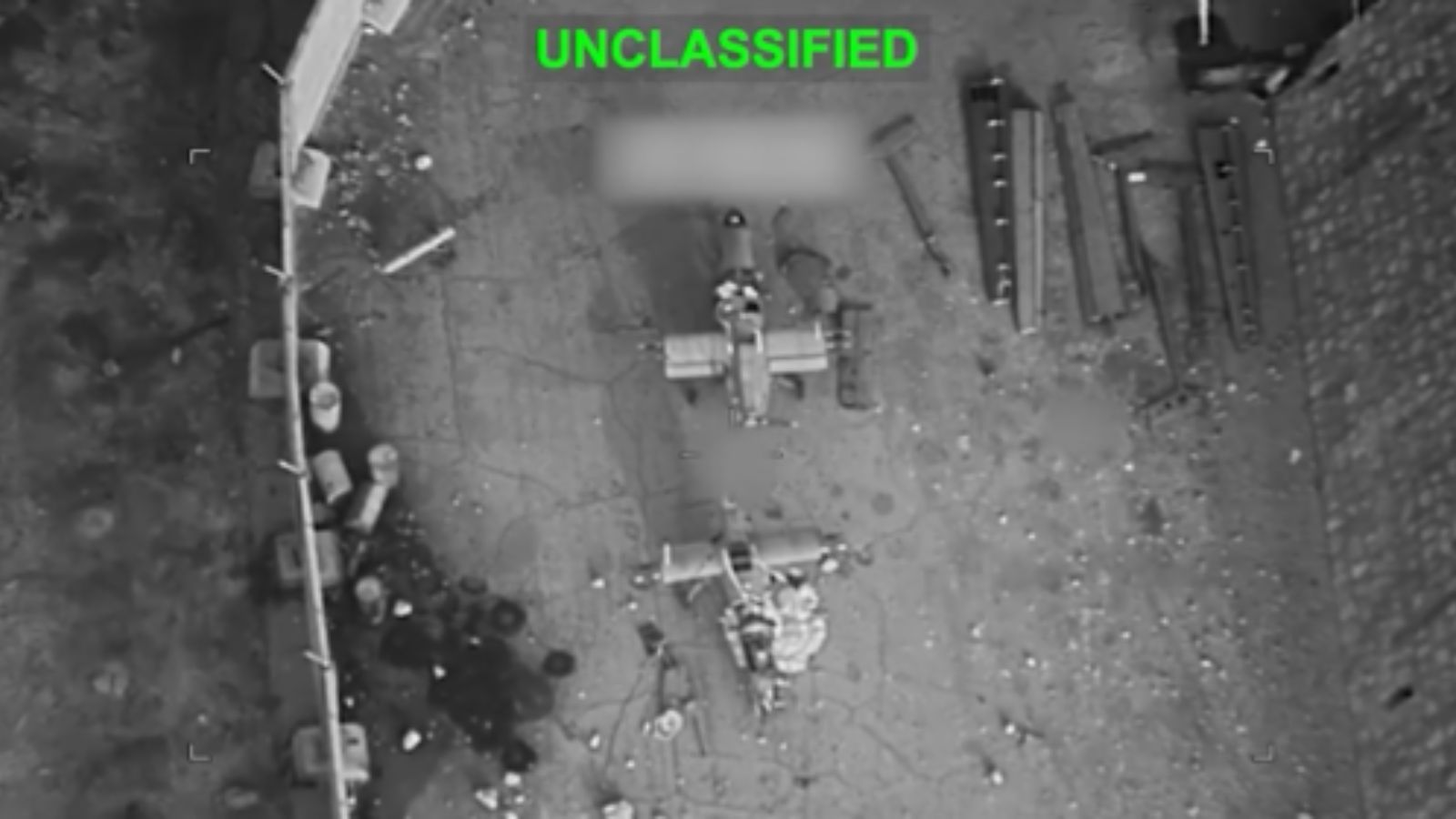
In a major escalation of Middle Eastern tensions, Iran has launched suicide drone strikes targeting US military communication systems and fuel storage facilities in Jordan. The attack, confirmed by Iranian state media, raises fears of a wider regional conflict.
Key Takeaways
- Iran's military launched kamikaze drone strikes on US facilities in Jordan.
- The targets included critical US military communication networks and fuel depots.
- The strikes mark a dangerous escalation in the long-simmering US-Iran proxy conflict.
The geopolitical landscape of the Middle East has taken a highly perilous turn. On July 16, 2026, the Iranian military launched a series of targeted suicide (kamikaze) drone strikes against United States military infrastructure located in Jordan. The strikes specifically targeted critical communication networks and strategic fuel storage facilities, signaling a major tactical shift in Tehran's military posture against Washington.
Iranian state television IRIB reported that the Army of the Islamic Republic of Iran executed these operations "in response to enemy aggression." This direct claiming of responsibility by state media signals a departure from traditional proxy warfare, demonstrating Iran's willingness to engage in direct military confrontation with US forces. The Pentagon has reportedly convened emergency meetings to assess the damage and formulate a response.
The Strategic Importance of Jordan
Jordan has long been a key strategic ally for the United States in the Middle East, hosting American troops and serving as a vital logistics hub for counter-terrorism operations. Striking US assets on Jordanian soil not only threatens American military capabilities but also puts immense diplomatic and security pressure on Amman. The attack challenges the security guarantees provided by the US to its regional allies and raises questions about the vulnerability of coalition bases in the area.
Broader Geopolitical and Economic Implications
A direct strike on US communications and fuel infrastructure could severely disrupt ongoing military operations in the region. Washington is expected to retaliate strongly, potentially triggering a cycle of escalation that could draw in regional powers like Israel and Saudi Arabia. Such a conflict would inevitably jeopardize global oil supplies, disrupt crucial maritime trade routes, and plunge the global economy into a state of severe uncertainty.