The United States carried out another wave of military strikes against Iran, marking the sixth night in a row, while the White House stresses that diplomatic talks remain open. Instability around the Strait of Hormuz is once again pushing global oil prices higher.
Key Takeaways
- US conducts a sixth consecutive night of strikes targeting Iranian military assets.
- The White House says Iran still seeks a diplomatic deal despite escalating attacks.
- Disruption in the Strait of Hormuz lifts global oil prices and heightens shipping risks.
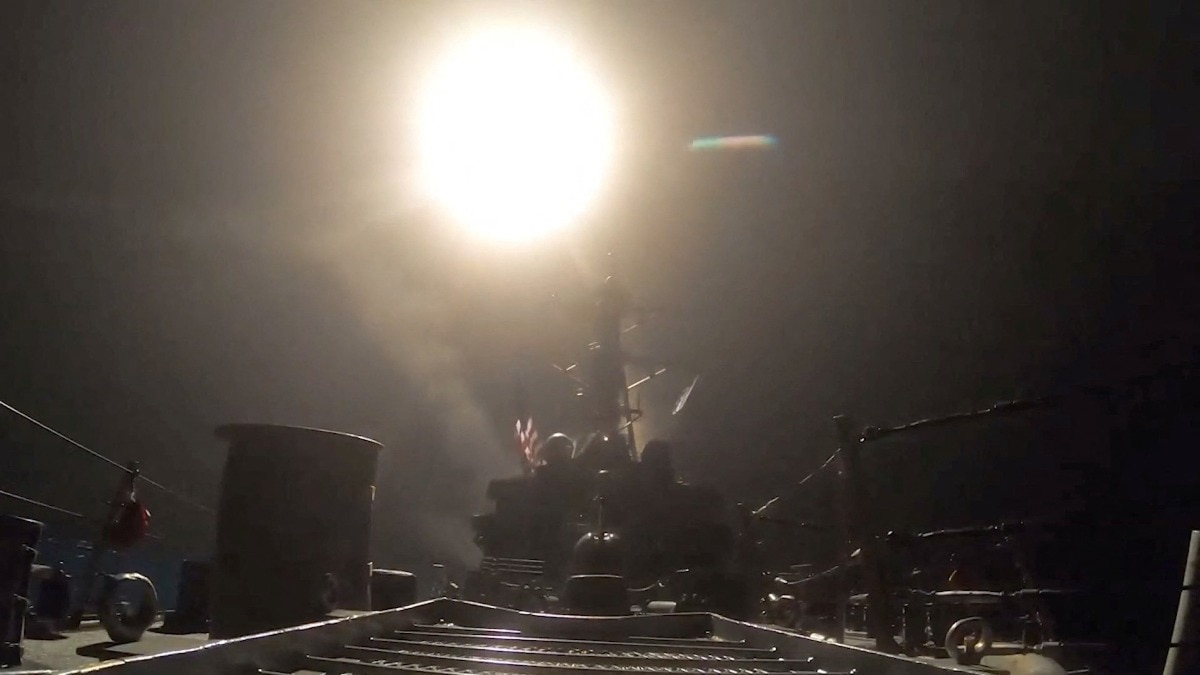
On July 17, 2026, the United States launched a fresh wave of airstrikes against Iran, extending its campaign to a sixth consecutive night. According to U.S. Central Command (CENTCOM), the operation began at 2 p.m. ET (1800 GMT) and was aimed at further degrading Iran’s military capabilities.
Targets and Immediate Iranian Response
Iranian state television reported that "American projectiles" struck areas in and around the southern port city of Bandar Abbas, a strategic hub that overlooks the Strait of Hormuz. Bandar Abbas houses Iran’s largest commercial port together with major naval and Islamic Revolutionary Guard Corps (IRGC) facilities. The semi‑official Mehr news agency also confirmed strikes near Qeshm Island, another critical point in the Gulf.
White House Statement and Diplomatic Angle
Just an hour before the strikes, the White House asserted that Tehran remains engaged in talks with Washington. Press Secretary Karoline Leavitt told reporters that Iran "very much continues to talk to the United States of America and express that they want to make a deal with us because they are suffering devastating blows on behalf of our US military." She added that President Donald Trump would not allow Iran’s actions in the Strait of Hormuz to go unanswered, while emphasizing that diplomatic channels stay open.
Strategic Importance of the Strait of Hormuz
The Strait of Hormuz is one of the world’s most vital waterways, channeling roughly one‑fifth of global oil and gas supplies. Iran has increasingly used military positions along its southern coastline to threaten commercial shipping, prompting the United States to impose a naval blockade and conduct repeated strikes. The latest disruptions have again driven up global oil prices and raised concerns over the safety of international maritime trade.
Looking Ahead
With diplomatic overtures juxtaposed against ongoing kinetic actions, the region remains on a knife‑edge. If negotiations stall, further military escalation and continued volatility in energy markets are likely. The international community is watching closely, urging a coordinated effort to secure the Strait of Hormuz and prevent a broader economic fallout.