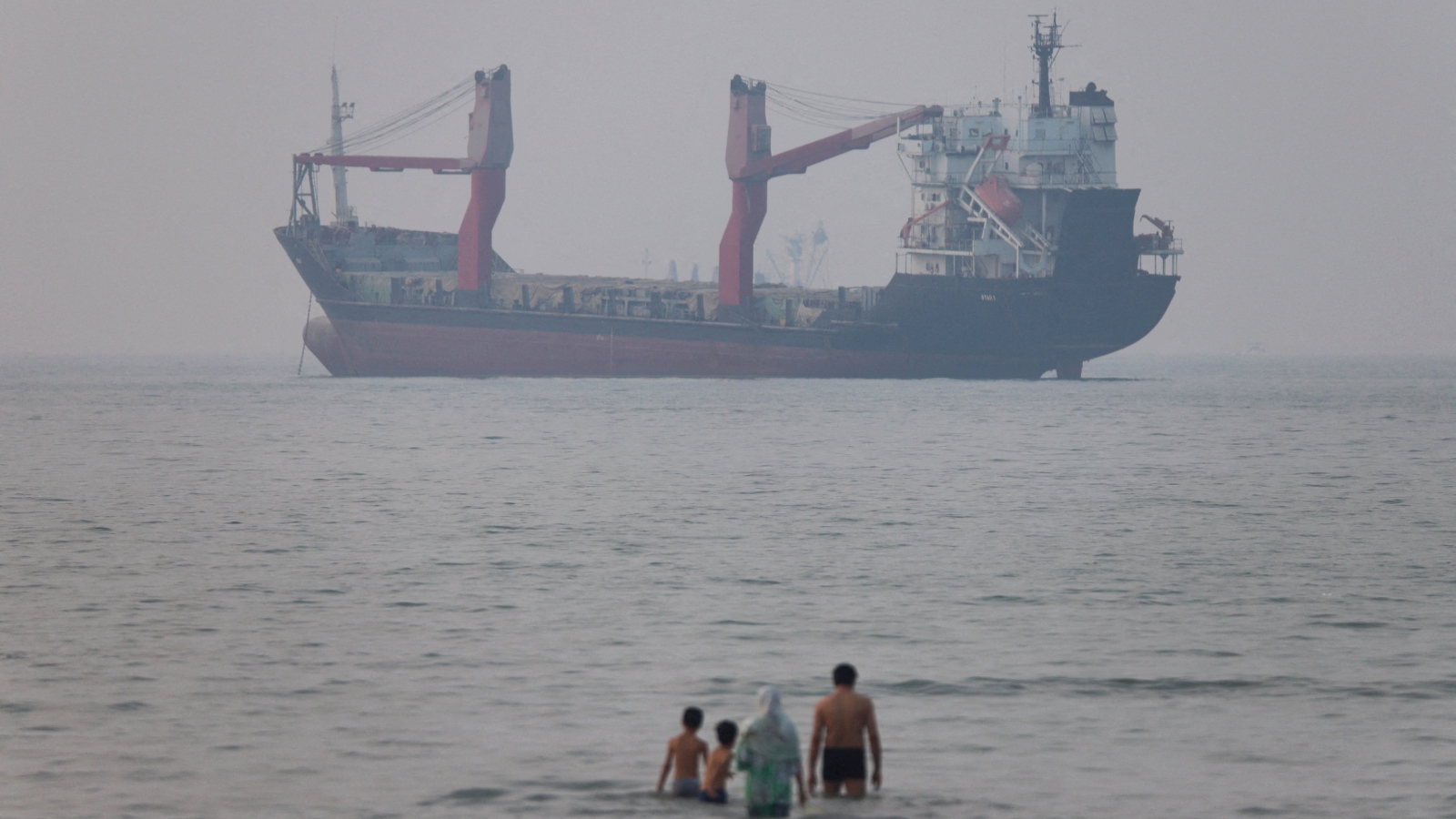
Recent maritime data reveals a massive drop in vessel traffic through the Strait of Hormuz, challenging both US and Iranian claims of dominance. As ships shift to the Omani corridor, global energy markets face heightened volatility.
- Vessel traffic in the Strait of Hormuz has plummeted by approximately 92% compared to pre-war levels.
- US President Donald Trump claims 'total control' over the waterway.
- Ships are increasingly utilizing the UN-authorized Omani corridor to avoid Iranian risks.
- Oil prices have spiked due to ongoing shipping uncertainties.
The struggle for supremacy over the Strait of Hormuz has entered a volatile new phase. While the United States asserts greater control over this vital artery, Iran maintains that the waterway remains under its jurisdiction and closed to certain shipping activities. However, recent vessel-tracking data suggests a complex reality where neither side holds absolute dominance.
According to data from maritime intelligence firm Kpler, only six commodity vessels crossed the strait on Tuesday, a significant decline from the previous day's nine and well below the 10-day daily average of 11. This trend highlights a profound lack of confidence among shipowners regarding the safety of the transit.
Why This Matters
BozokMedia analysis shows that the Strait of Hormuz is a critical global chokepoint, previously carrying about one-fifth of the world's crude oil and liquefied natural gas (LNG) shipments. Any disruption in this corridor sends immediate shockwaves through global energy markets, as evidenced by the recent rise in oil prices to three-week highs.
It increasingly looks like Iran has at least partially lost control of the strait as traffic shifts toward safer routes.
Despite claims by US President Donald Trump that Washington has achieved 'total control' of the waterway, the actual volume of commercial traffic tells a different story. While US naval forces are actively patrolling and providing escorts, the sheer reduction in vessel numbers indicates that the threat perception remains extremely high.
A significant strategic shift is occurring: over 80% of liquid-cargo transits in recent weeks have utilized the Omani corridor or engaged in 'dark' transits to avoid detection. This UN-authorized route is being used as a bypass to avoid the risks associated with the northern coast of Oman, which Iran has reportedly targeted.
| Metric | Pre-War Levels | Current Status (Aug 2026) |
|---|---|---|
| Daily Vessel Crossings | ~130 vessels | ~11 vessels (Avg) |
| Global Oil/LNG Share | 20% | Severely Disrupted |
| Primary Shipping Route | Standard Lanes | Omani Corridor / Dark Transits |
For major importers like India, the stakes are exceptionally high. As a heavy consumer of Gulf oil, any prolonged instability in Hormuz translates directly into higher import costs, fueling domestic inflation and straining the national trade balance.
Frequently Asked Questions
1. Why are ships avoiding the Iranian route?
Shipowners are avoiding the northern coast due to reported attacks on vessels and the high risk of being targeted by Iranian forces.
2. What is the impact on oil prices?
Uncertainty regarding the safety of the strait has caused oil prices to surge, as supply chains become increasingly unpredictable.