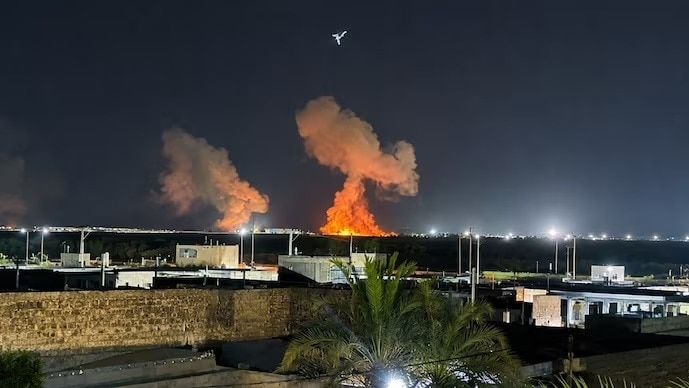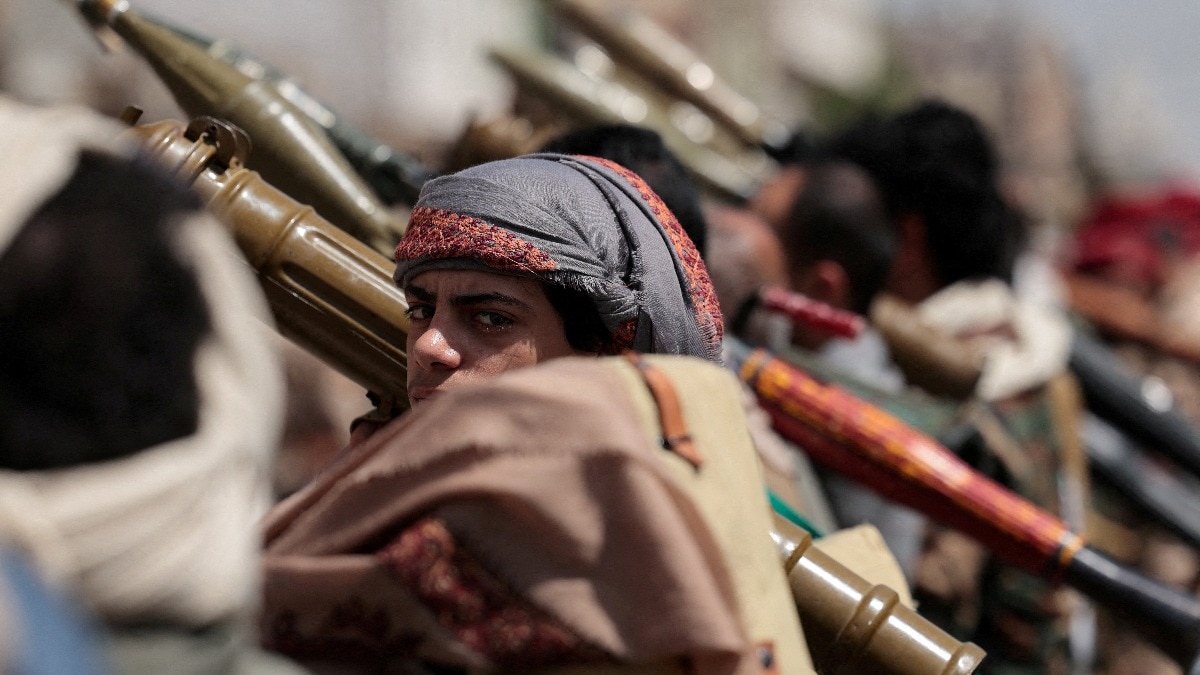
Renewed Houthi missile strikes on Saudi Arabia have triggered alarm bells in Islamabad, forcing Pakistan to navigate a treacherous path between its Saudi defense commitments and its diplomatic outreach to Iran.
Key Takeaways
- Houthi rebel attacks on Saudi Arabia have placed Pakistan in a precarious geopolitical position.
- Pakistan maintains a significant military presence in Saudi Arabia under a recent defense pact.
- Islamabad is struggling to balance its role as a mediator between the US and Iran while honoring its Saudi security obligations.
- Potential disruptions in the Red Sea pose a severe threat to Pakistan's fragile economy and fuel supply.
The geopolitical landscape of the Middle East is shifting rapidly, and Pakistan finds itself caught in the crossfire. The recent resumption of missile attacks by Yemen-based, Iran-backed Houthi rebels against Saudi Arabia has not just destabilized the region; it has sent shockwaves through Islamabad. For a nation attempting to balance complex regional allegiances, the stakes have never been higher.
The Defense Dilemma
Pakistan is not merely a bystander in Middle Eastern affairs; it is a core security partner of the Kingdom of Saudi Arabia. Under a defense agreement signed last year, thousands of Pakistani troops and fighter jets are stationed within the Kingdom. This military entanglement means that any sustained aggression against Saudi territory directly impacts Pakistan's strategic interests. A high-ranking Pakistani official recently underscored this gravity, stating that "attacks on Saudi Arabia are viewed as attacks on Pakistan," marking it as a critical 'red line' for the nation.
The Diplomatic Tightrope
For months, Islamabad has been working tirelessly to position itself as a diplomatic bridge, facilitating dialogue between the United States and Iran. However, the Houthi escalation threatens to collapse this delicate architecture. Pakistan is caught in a classic zero-sum game: standing firmly by its Saudi military commitments could alienate Tehran, while pursuing a rapprochement with Iran might be perceived by Riyadh as a betrayal of its defense pact.
Economic Vulnerability and Maritime Security
Beyond the immediate military implications, the economic fallout is a major concern for the Pakistani leadership. The Red Sea is a vital artery for global trade, and any escalation that leads the Houthis to target commercial shipping could devastate Pakistan's economy. Given Pakistan's heavy reliance on Gulf imports for fuel and essential commodities, a disruption in shipping lanes or the Strait of Hormuz could trigger a domestic energy crisis and hyperinflation.
Strategic Uncertainty
As the situation evolves, analysts suggest that the unpredictability of Iran's internal dynamics—specifically the influence of the IRGC versus civilian leaders—adds another layer of complexity. While Pakistani diplomats continue to engage with Iranian delegations to prevent a wider conflagration, the suddenness of the Houthi offensive has left Islamabad scrambling to manage a multi-front crisis of diplomacy, defense, and economics.