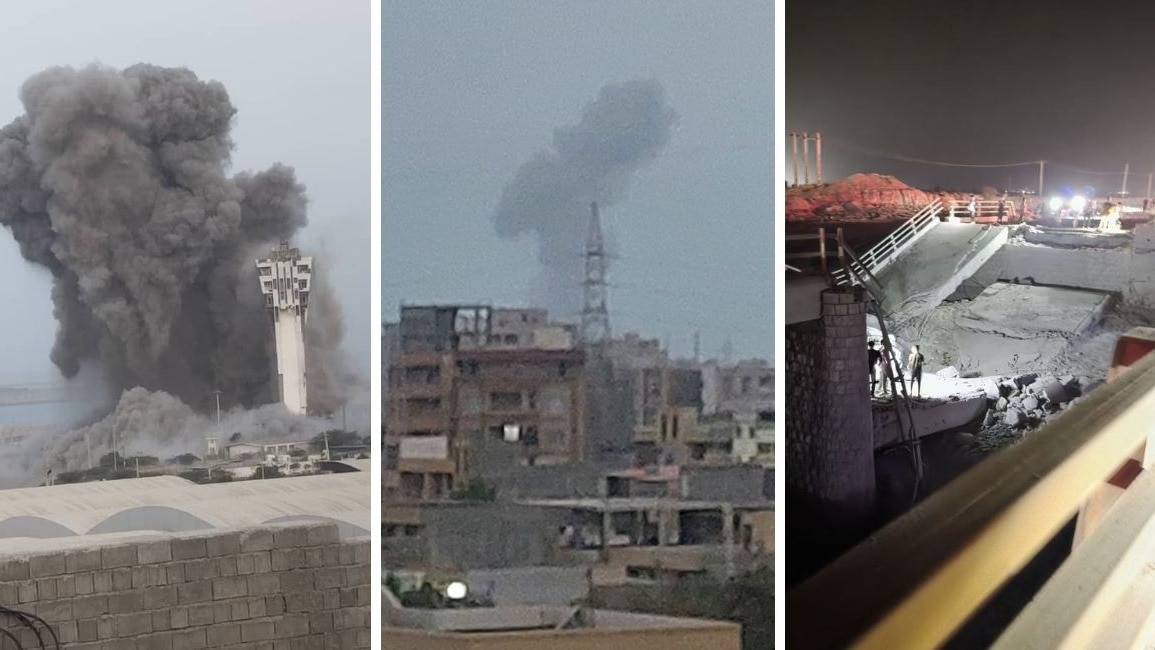
The United States broadened its aerial campaign by targeting additional bridges in Iran’s south, while Iranian missiles and drones struck Bahrain and Kuwait. For the first time, the strikes also reached areas around Tehran, widening the conflict’s geographic scope.
Key Takeaways
- US broadens airstrikes to hit additional bridges in Iran
- Iran launches missiles and drones at Bahrain and Kuwait
- US strikes reach areas around Tehran for the first time
On July 17, 2026, the United States intensified its air campaign by striking two more bridges in Iran’s southern Hormozgan province. The move came after Iranian missiles and drones targeted US‑linked bases in Bahrain and Kuwait, heightening regional security concerns.
Strategic Context
The interim cease‑fire that had been brokered last month collapsed amid renewed clashes over the Strait of Hormuz. Control of this narrow waterway is vital for global oil shipments, making it a focal point for both Tehran and Washington. Previously, US strikes were limited to northern Iran, but the latest operations signal a shift toward crippling Iran’s southern logistical networks.
Iran’s Counter‑Response
Iran’s Revolutionary Guard Corps (IRGC) retaliated by firing missiles and drones at Bahrain, Kuwait, and Jordan—countries that host US forces. Spokesperson Col. Ebrahim Zolfaghari warned that any further US attacks on Iranian bridges or power plants would trigger “widespread attacks on all infrastructure in the region,” framing the Strait of Hormuz as Iran’s “invincible red line.”
Expansion of US Targets
The second wave of US strikes on July 15 extended beyond Hormozgan to the provinces of Tehran, Semnan, Hamedan, Khuzestan, Lorestan, Markazi, and Sistan‑Baluchestan. These areas house Iran’s ballistic‑missile factories and space‑program facilities. Additionally, the US hit Greater Tunb Island, a strategic outpost that controls maritime traffic at the mouth of the strait.
Implications and Outlook
Maritime data indicates a near‑quarter drop in cargo traffic through the Strait at the start of the month, underscoring the economic fallout of the escalating conflict. Without a diplomatic breakthrough, continued military exchanges risk inflating oil prices, disrupting global supply chains, and causing further civilian casualties. The region now teeters on a precarious balance between strategic deterrence and full‑scale confrontation.