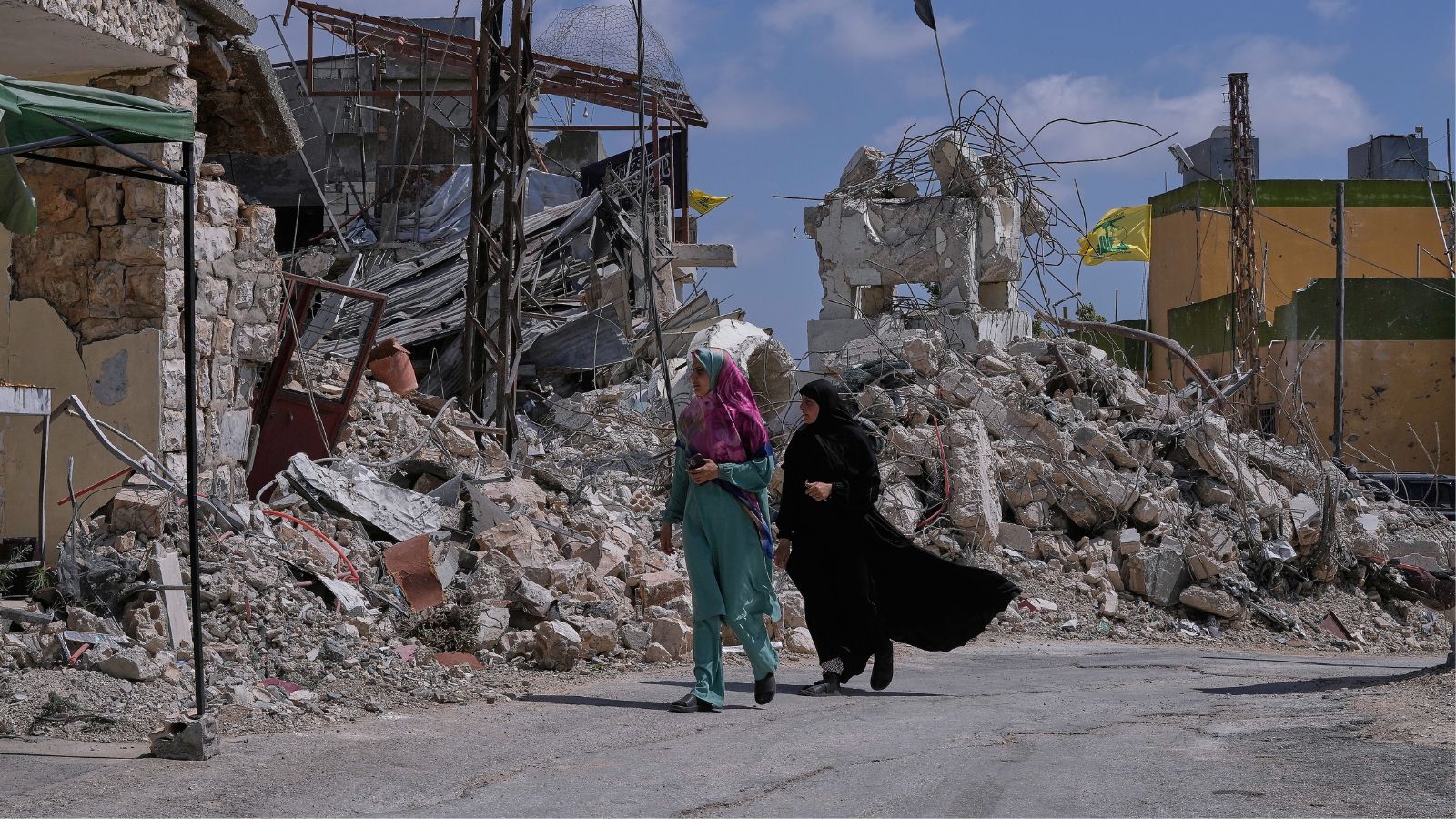
The United States launched a fresh wave of airstrikes against Iran, while Kuwait reported intercepting Iranian missile and drone attacks. Both developments have heightened tensions across the Middle East, drawing global attention.
Key Takeaways
- US initiates a new series of airstrikes targeting Iranian military assets.
- Kuwait confirms interception of Iranian missiles and drones, citing loud sounds as intercept alerts.
- Regional security environment deteriorates, prompting heightened international diplomatic scrutiny.
Washington has escalated its campaign against Tehran, deploying a coordinated set of airstrikes late last night. The strikes aimed at disabling Iran’s air‑defence networks, command‑and‑control hubs, and suspected missile launch sites. U.S. officials framed the operation as a direct response to Iran’s recent barrage of missiles and unmanned aerial systems that threaten regional stability.
Kuwait’s Defensive Response
Simultaneously, the Kuwaiti Ministry of Defence announced that it is actively countering Iranian missile and drone attacks. The ministry clarified that the loud noises heard across the nation were the result of interception events generated by its air‑defence and missile‑intercept systems, not civilian casualties. Kuwait reported successful neutralisation of multiple incoming projectiles, thereby averting potential loss of life.
Historical Context
The US‑Iran rivalry traces back to the 1979 Islamic Revolution and subsequent sanctions regime. Over the past two decades, the relationship has been punctuated by proxy conflicts, cyber skirmishes, and diplomatic stand‑offs. Recent advancements in Iran’s Marz‑9 missile series and drone capabilities have prompted Washington to adopt a more kinetic posture, culminating in today’s strikes.
Regional and Global Implications
Kuwait’s proactive stance underscores its strategic importance despite its modest size. By engaging directly with Iranian threats, Kuwait signals a shift that could reshape regional alliances and influence the calculus of larger powers. International actors, notably the European Union and Asia‑Pacific nations, are urging immediate diplomatic engagement to prevent further escalation.
Future Outlook
Should the hostilities intensify, the world could witness spikes in oil prices, refugee movements, and disruptions to maritime trade routes. Analysts argue that both sides must open channels for dialogue to address security concerns, lest the conflict spiral into a broader war that destabilises the global order.