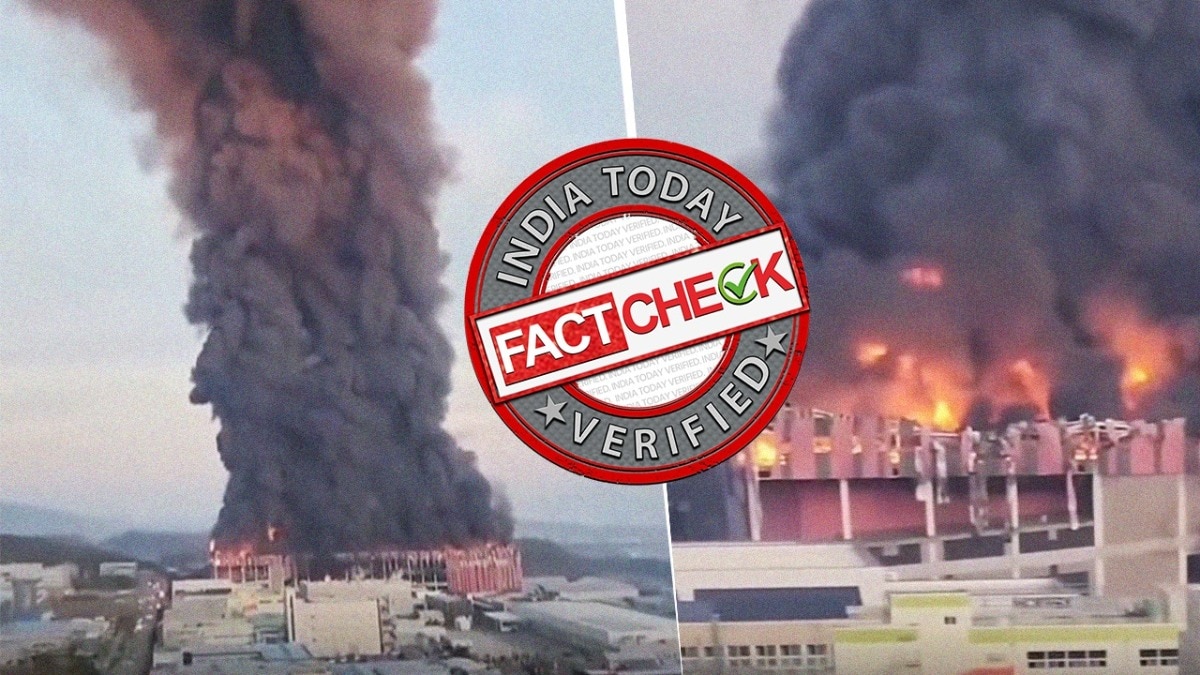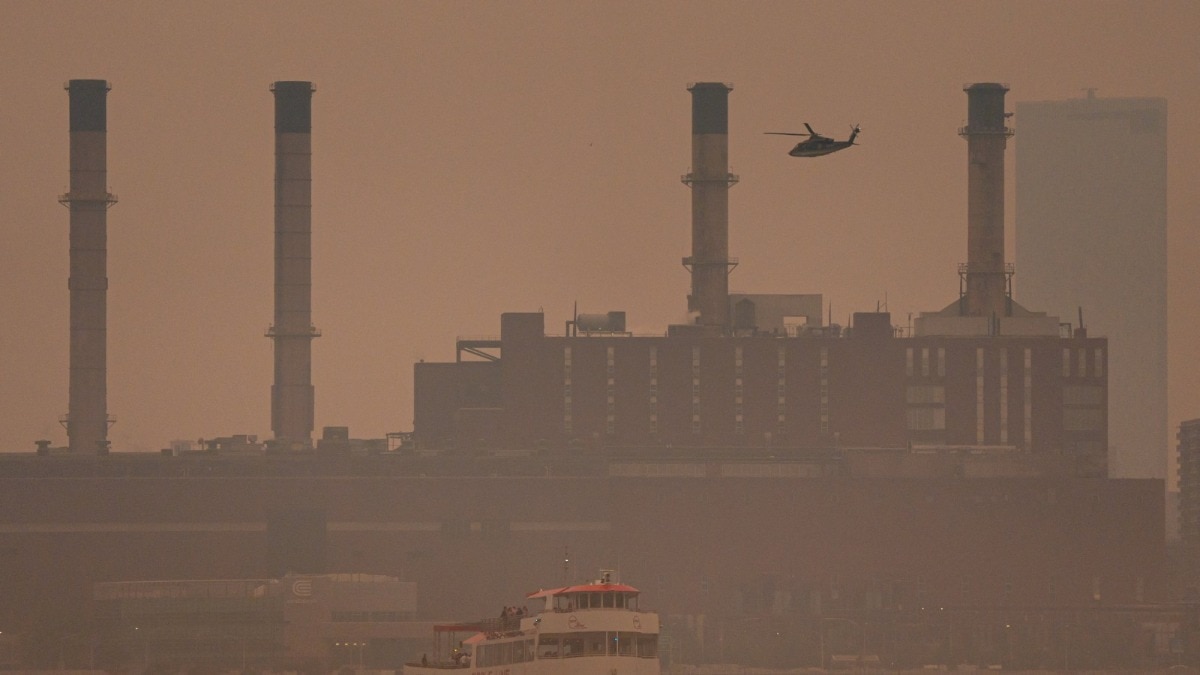
A massive shift in the global pollution map sees North American cities topping the rankings due to catastrophic Canadian wildfires, displacing South Asian cities.
Key Takeaways
- The top 50 most polluted locations globally are currently concentrated in the US and Canada.
- Massive Canadian wildfires, with over 850 active fires, are the primary driver of this pollution.
- Air Quality Index (AQI) levels in some regions have surged past 700, with some hitting 1,000.
- Climate change is making these wildfire-driven pollution events more frequent and intense.
The global pollution landscape has undergone a dramatic and unexpected transformation. While South Asian nations, including India, typically dominate the rankings of the world's most polluted cities, the current reality is strikingly different. According to live rankings from AQI.in, the top 50 most polluted places on Earth are currently located exclusively within the United States and Canada.
Cities in Ontario, such as Waterloo, London, and Brantford, are leading the list, while major American hubs including New York City, Chicago, and Washington DC are struggling under a thick blanket of haze. Unlike the industrial smog seen in other parts of the world, this crisis is fueled by wildfire smoke rather than vehicle emissions or factory output.
Why This Matters (इसके मायने क्या हैं)
BozokMedia analysis shows that this shift represents a fundamental change in how environmental hazards manifest globally. Pollution is no longer just a localized industrial byproduct; it has become a transboundary atmospheric crisis. When wildfires in one region can degrade the air quality of an entire continent, it underscores the interconnectedness of our global ecosystem.
Furthermore, this has profound socio-economic implications. Beyond the immediate health risks, such extreme pollution events disrupt supply chains, impact tourism, and reduce labor productivity. It serves as a stark reminder that even developed nations with stringent environmental regulations are highly vulnerable to the cascading effects of climate change.
The microscopic PM2.5 particles released by these fires are small enough to enter the bloodstream, posing a direct and lethal threat to human health.
Historical Background
Historically, the conversation around air pollution has focused on the rapid urbanization and heavy industrialization of emerging economies like India and China. However, the era of 'Mega-fires' is rewriting this narrative. As global temperatures rise due to climate change, forests in temperate regions like Canada are becoming increasingly dry and susceptible to ignition. This has led to a new phenomenon where wildfire smoke becomes a dominant contributor to global air toxicity, moving the epicenter of pollution from industrial belts to forest frontiers.
| Feature | Traditional Pollution (India/China) | Current Crisis (US/Canada) |
|---|---|---|
| Primary Source | Industrial & Vehicle Emissions | Massive Wildfires |
| Pollution Nature | Chronic and Localized | Acute and Transboundary |
| Main Pollutant | PM2.5, PM10, NOx | PM2.5 (Smoke Particulates) |
Frequently Asked Questions (अक्सर पूछे जाने वाले प्रश्न)
Question 1: Why is the pollution so high in North America right now?
Answer: Over 850 active wildfires in Canada are releasing massive amounts of smoke that is being trapped near the ground by high-pressure systems.
Question 2: How long will this last?
Answer: The air quality will likely remain hazardous until weather patterns shift or significant rainfall helps extinguish the fires and clear the atmosphere.