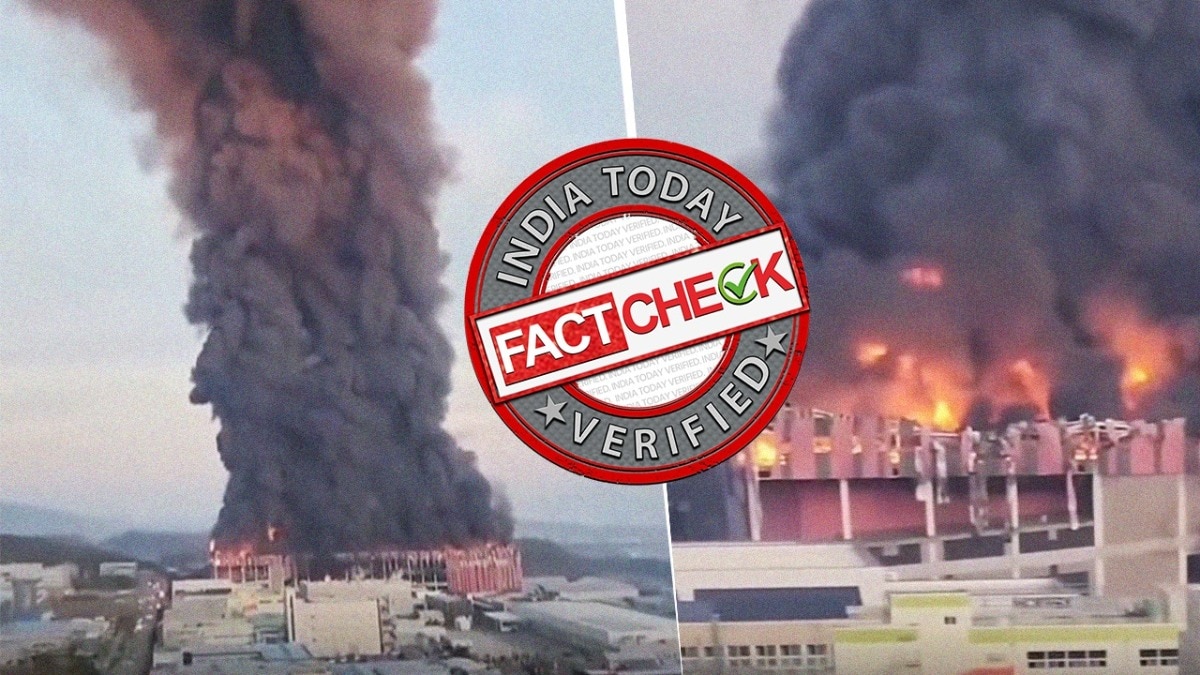
A viral video showing massive fires is being falsely attributed to Iranian attacks on Gulf countries. Our investigation reveals the actual origin of the footage.
Key Takeaways
- The viral footage of massive fires is unrelated to Middle East tensions.
- The video actually depicts an incident in South Korea.
- Misleading content is being used to fuel geopolitical anxiety.
As geopolitical tensions escalate in the Middle East, a harrowing video showing massive explosions and raging fires has been circulating widely across social media platforms. Many users are claiming that this footage captures the aftermath of Iranian military strikes on Gulf nations. However, a rigorous fact-checking process has debunked these claims, revealing a completely different reality.
Fact Check Results: After analyzing the visual metadata and cross-referencing with global news archives, it has been confirmed that the video is not related to any recent military action by Iran. Instead, the footage originates from an industrial incident in South Korea. The video is being repurposed by bad actors to create panic and manipulate public perception regarding the ongoing regional conflicts.
Why This Matters (इसके मायने क्या हैं)
BozokMedia analysis shows that 'Information Warfare' has become a critical component of modern conflict. When misleading videos are circulated during periods of high political tension, they can trigger mass panic, influence stock markets, and sway diplomatic sentiments without any basis in reality.
The rapid spread of such misinformation highlights a significant vulnerability in digital consumption. For the average person, distinguishing between genuine combat footage and recycled clips from different parts of the world is becoming increasingly difficult, making media literacy a vital survival skill in the 21st century.
In the age of instant gratification, a single miscontextualized video can be as damaging as a physical strike in shaping global narratives.
Historical Background
The use of propaganda and misinformation to influence public opinion is not new. From the printed pamphlets of the 18th century to the sophisticated deepfakes of today, the objective remains the same: to control the narrative. Historically, during times of war, 'false flag' narratives or misrepresented imagery have been used to galvanize populations or incite fear in opposing territories.
| Feature | Social Media Claim | Verified Fact |
|---|---|---|
| Location | Gulf Countries (Iran Attack) | South Korea |
| Context | Military Aggression | Industrial Accident/Fire |
| Accuracy | False / Misleading | True (Wrong Context) |
Frequently Asked Questions (अक्सर पूछे जाने वाले प्रश्न)
Question 1: Where did the viral fire video actually take place?
Answer: The video was recorded in South Korea, not in the Middle East.
Question 2: Is there any link between this video and the Iran-Gulf conflict?
Answer: No, there is absolutely no connection between this footage and the current geopolitical tensions in the Gulf.