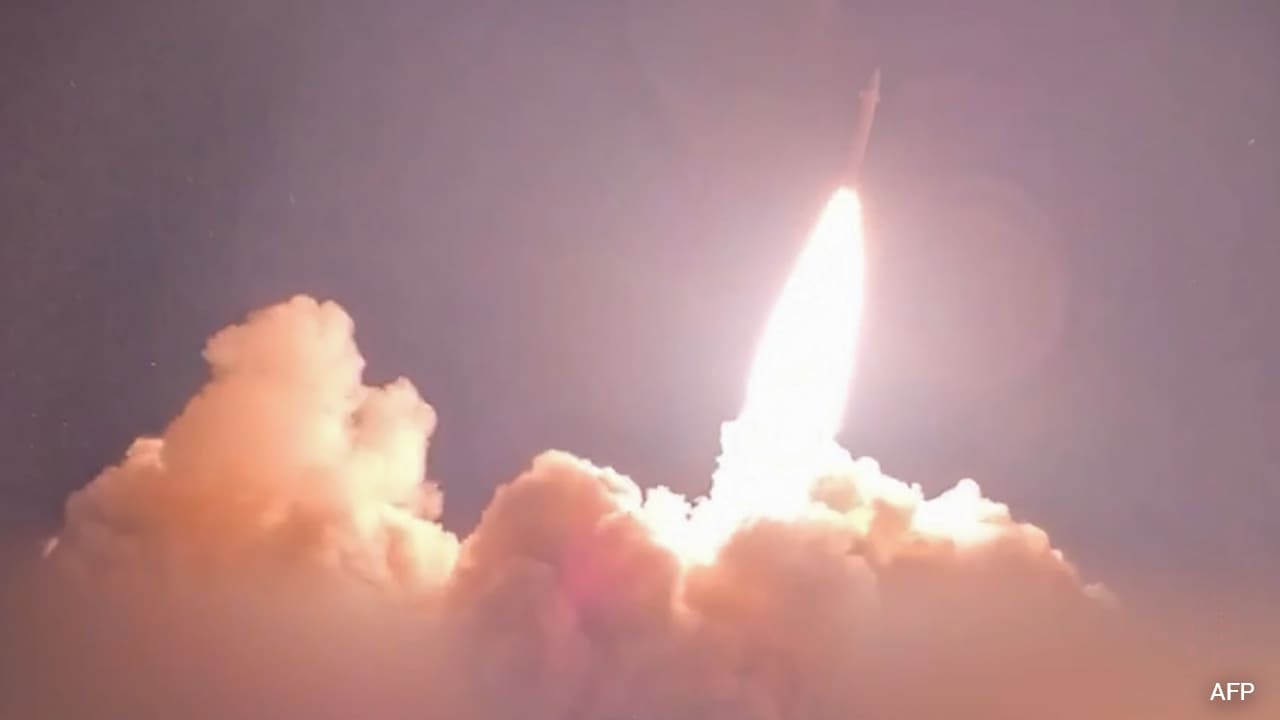
Two American service members were killed and a third is still missing after Iranian air strikes hit Jordan. The Pentagon says the missing soldier's status remains classified until families are formally notified, after which details will be released within 24 hours.
Key Takeaways
- Two US soldiers killed in Iranian air strikes on Jordan
- A third soldier remains missing
- The Pentagon will release details only after families are notified
U.S. Central Command (CENTCOM) confirmed that Iranian air attacks on Jordan resulted in the deaths of two American soldiers, while a third service member is still unaccounted for. The Pentagon emphasized that information about the missing soldier will not be disclosed publicly until the family receives formal notification, after which a full statement will follow within 24 hours.
Jordan condemned the sudden strike, labeling it a violation of sovereignty and calling on the international community for an immediate response. In reaction, the United States announced additional force posturing in the region to safeguard its personnel, while Iran defended the operation as a protective measure for its own national interests.
Historical Background
The U.S.-Iran relationship has been fraught with tension for decades, especially after the 1979 Islamic Revolution. Notable prior incidents include the 2019 Iranian missile attacks on U.S. bases in Iraq and the 2020 drone strike on a U.S. facility in Iraq, both resulting in casualties. Jordan, a key U.S. ally in the Middle East, routinely hosts American forces and serves as a logistical hub for regional operations. Such attacks threaten the delicate balance of security cooperation and amplify the risk of broader escalation.
Why This Matters (इसके मायने क्या हैं)
BozokMedia analysis shows that this incident raises profound concerns about the safety of U.S. troops stationed abroad and may signal a new phase in the U.S.-Iran rivalry. The loss of two soldiers and the uncertainty surrounding a third could prompt a reassessment of alliance commitments, potentially leading to heightened military deployments and intensified diplomatic dialogues.
For ordinary citizens, the ripple effects could manifest as economic volatility, rising energy prices, and increased migration pressures. An escalation in hostilities would likely disrupt trade routes and oil exports, feeding uncertainty into global markets and affecting everyday life worldwide.
"Such air strikes are often intended as political signaling, yet their real impact can severely undermine regional security architectures," says Colonel James Whitaker, former US Army strategist.
Frequently Asked Questions (अक्सर पूछे जाने वाले प्रश्न)
- Is the missing soldier still being searched for? Yes, U.S. forces have deployed specialized search and rescue teams, and the family has been officially notified.
- Could this attack further deteriorate US‑Iran relations? Experts believe the incident will heighten diplomatic tensions, though an immediate large‑scale military retaliation appears unlikely.