As Bangladesh's new leadership shifts focus toward Malaysia and China, India intensifies its diplomatic outreach. Can the Modi government navigate the growing anti-India sentiment in Bangladesh?
- PM Taric Rahman has yet to respond to India's invitation for the BRICS Summit.
- Pew Research indicates a significant rise in anti-India sentiment in Bangladesh, now at 51%.
- India is prioritizing engagement despite the political complexities involving the ousted Sheikh Hasina.
- The strategic importance of the 94% shared border makes engagement a necessity for New Delhi.
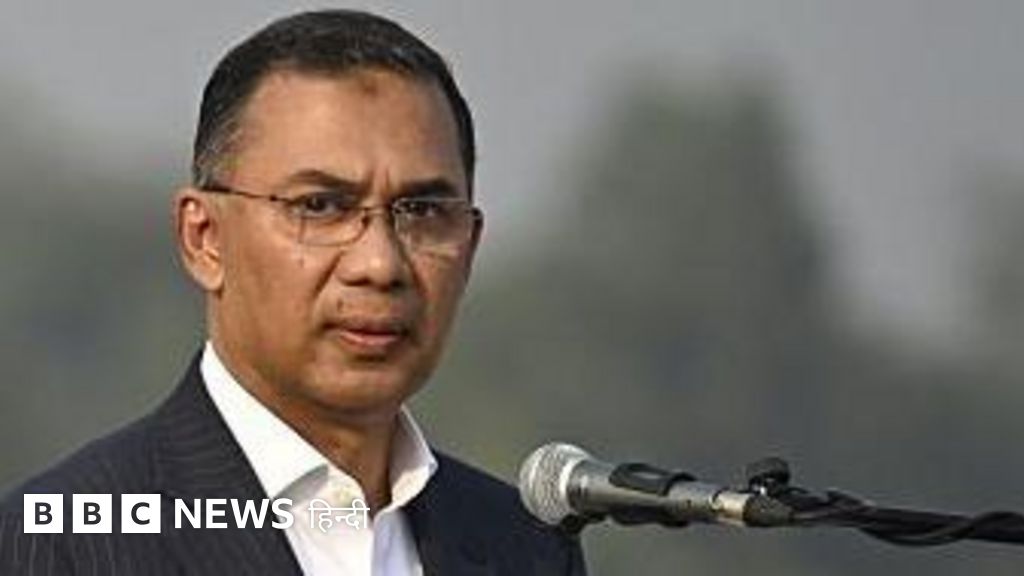
The geopolitical landscape of South Asia is undergoing a seismic shift. Following the ascension of Taric Rahman as the Prime Minister of Bangladesh, the diplomatic ties between Dhaka and New Delhi have entered a period of high-stakes uncertainty. While India has extended multiple invitations, including for the upcoming BRICS Summit, the Bangladeshi leadership has prioritized visits to Malaysia and China, signaling a potential pivot in regional allegiances.
The Bangladesh Ministry of Foreign Affairs has acknowledged ongoing discussions aimed at facilitating a potential visit by PM Rahman. However, the diplomatic atmosphere remains strained, exacerbated by the recent press conference held by the ousted Prime Minister Sheikh Hasina in Delhi. Spokesperson A.K.M. Shahidul Karim emphasized that creating a 'conducive environment' is a prerequisite for any high-level engagement.
Why This Matters
BozokMedia analysis shows that for India, maintaining stability in Bangladesh is not merely a choice but a strategic imperative. With a massive shared border, any instability or a pro-China tilt in Dhaka directly impacts India's internal security and regional dominance. The current friction tests India's ability to manage 'neighbor-first' policies under new, unpredictable leadership.
"Friends may change, but neighbors cannot. India has no choice but to engage, even if it requires a shift in diplomatic approach." - Journalist Saurabh Kumar Shahi
Data from the Pew Research Center highlights a troubling trend. In 2024, 57% of Bangladeshis held a positive view of India; however, by 2026, this figure plummeted to just 42%. Currently, 51% of the population expresses negative sentiments toward India. For PM Taric Rahman, navigating this public sentiment while managing relations with a powerful neighbor like India presents a profound political dilemma.
Political analysts suggest that the Modi government's persistent outreach is a calculated move. Unlike other political entities that might fear being labeled as 'soft' on opposition-aligned leaders, the current Indian administration possesses the political capital to pursue pragmatic engagement despite ideological differences.
Frequently Asked Questions
1. Why has PM Taric Rahman avoided visiting India?
The Prime Minister has prioritized his first foreign visits to Malaysia and China, reflecting a strategic balancing act in his early tenure.
2. How has public opinion in Bangladesh changed?
According to Pew Research, positive sentiment toward India has dropped from 57% in 2024 to 42% in 2026.