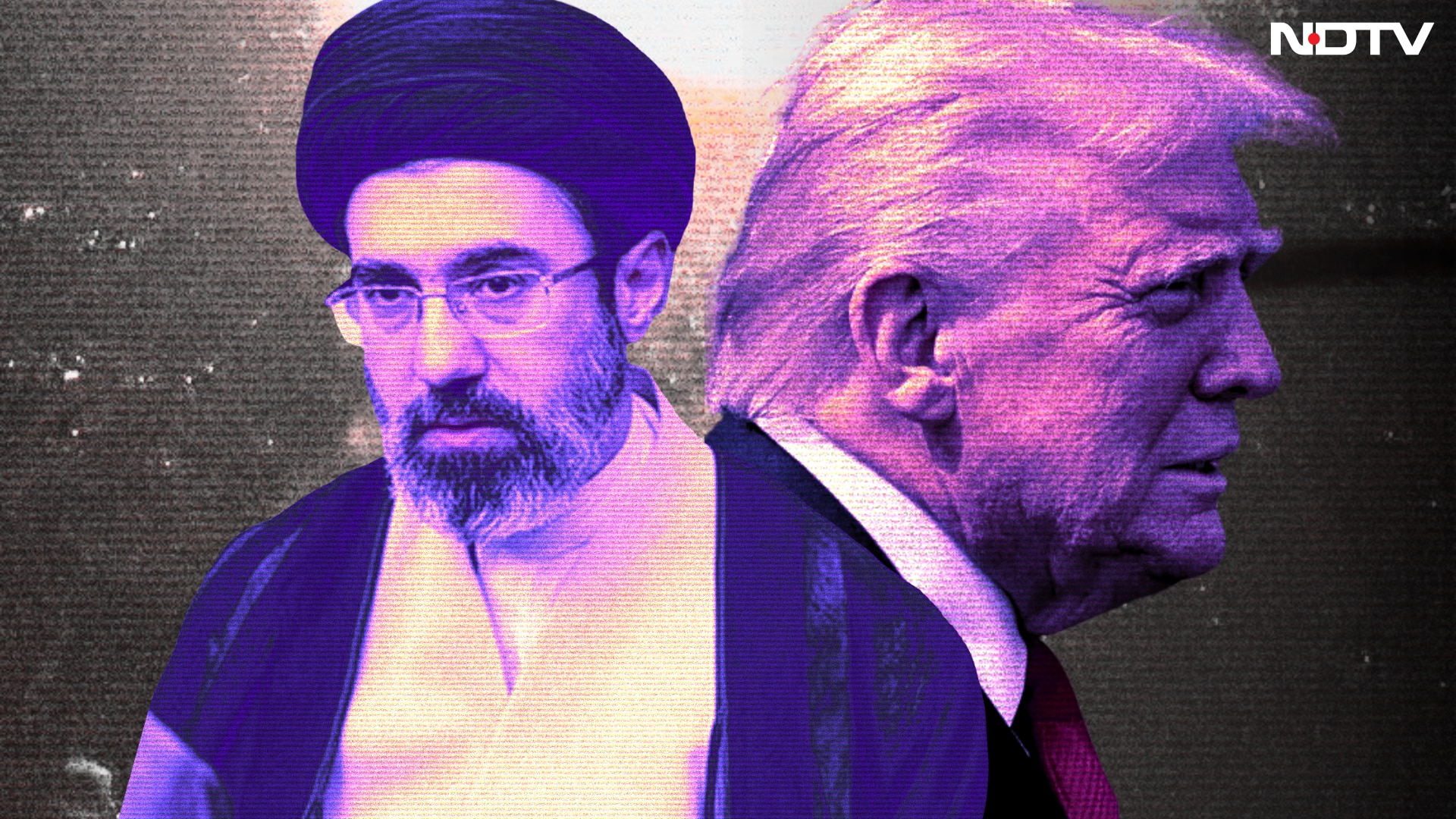
Iran’s Supreme Leader Mojtaba Khamenei denounced the interim nuclear agreement as worthless and labeled President Trump as "Satan," warning of unforgettable lessons. His incendiary remarks heighten regional tensions and raise fears of a possible military clash.
Key Takeaways
- Mojtaba Khamenei called Trump "Satan" and dismissed the Iran‑US interim deal as worthless.
- Iran signaled a suspension of its commitments under the interim agreement.
- Escalating regional tensions now risk a direct military confrontation.
Amid renewed hostilities on Saturday, Iran’s Supreme Leader Mojtaba Khamenei delivered a scathing statement, branding the United States as "Satan" and vowing to teach it "unforgettable lessons." He declared that Iran is suspending its obligations under the interim nuclear accord, calling the deal "worthless and devoid of credibility." The rhetoric directly targets President Donald Trump’s policies and signals a hardened stance in Tehran.
Khamenei warned, "We will teach the United States lessons it will never forget," underscoring a willingness to confront the U.S. militarily if diplomatic avenues fail. This aggressive language has sparked alarm across the international community, especially given the fragile balance of power in the Middle East.
Historical Background
The 2015 Joint Comprehensive Plan of Action (JCPOA) marked a historic diplomatic breakthrough, offering Iran sanctions relief in exchange for limits on its nuclear program. In 2018, President Trump withdrew the United States from the agreement, re‑imposing comprehensive sanctions. Since then, Iran has responded with reciprocal measures, and diplomatic relations have deteriorated, punctuated by periodic flare‑ups and mutual accusations.
Recent months have witnessed a series of escalations: Iranian missile tests, naval confrontations with Israel, and U.S. military presence in Syria. These events have kept the region on edge, and Khamenei’s latest remarks add a new layer of volatility, suggesting that Tehran may move beyond diplomatic protest toward more overt confrontation.
Why This Matters (इसके मायने क्या हैं)
According to BozokMedia analysis, Khamenei’s hard‑line rhetoric could destabilize the Gulf region if not addressed through diplomatic channels. Labeling the interim deal worthless undermines confidence among investors and international bodies, potentially triggering a re‑imposition of sanctions that would affect oil markets and regional economies.
For the United States, the statement presents a diplomatic dilemma: a soft response may embolden Tehran, while a strong counter‑measure could escalate the conflict. The trajectory of future negotiations hinges on whether both sides can find a pragmatic pathway that balances security concerns with economic realities.
"The rhetoric signals a dangerous escalation that could destabilize the Gulf region if not managed through diplomatic channels," says Dr. Leila Hosseini, Middle East security analyst.
Frequently Asked Questions (अक्सर पूछे जाने वाले प्रश्न)
Question 1: What did Mojtaba Khamenei say about the Iran‑US deal?
Answer: He described the interim agreement as "worthless, devoid of credibility" and announced that Iran is suspending its obligations under it.
Question 2: What are the potential implications of this statement?
Answer: The remarks could heighten regional tension, lead to renewed sanctions, and further complicate diplomatic efforts between the United States and Iran.