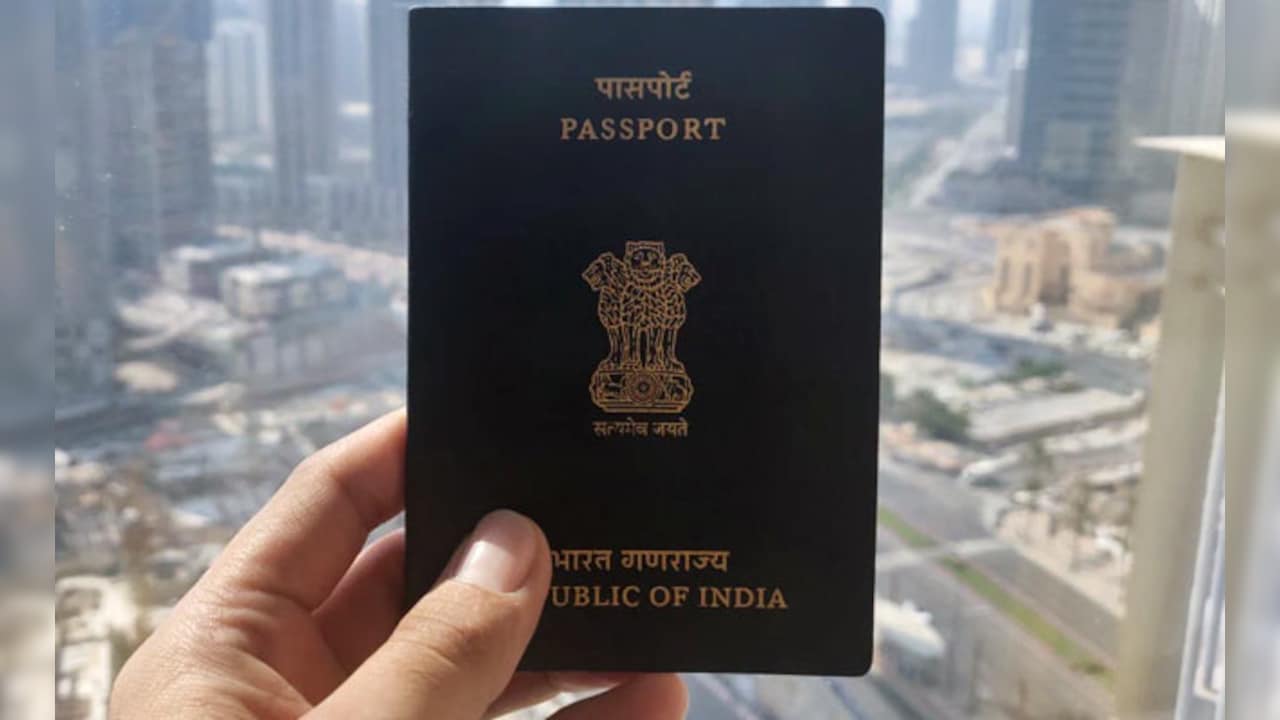
The Delhi High Court raised an unprecedented query – can a refugee be expected to possess a passport? This question now frames the legal battle of Maung Henry Htoo Aung Linn.
Key Takeaways
- The Delhi High Court queried the necessity of a passport for a refugee.
- Maung Henry Htoo Aung Linn's case highlights gaps in India's refugee protection framework.
- The judicial stance could have far‑reaching social and international implications.
The Delhi High Court recently posed a striking question – "How can you expect a passport from a refugee?" This query lies at the heart of the legal struggle of Maung Henry Htoo Aung Linn, a Burmese‑origin refugee residing in India for years without formal travel documents.
Without a passport, Henry has faced barriers to employment, healthcare, and basic civic services. The court’s interrogation not only challenges his individual rights but also shines a light on the broader limitations of India's refugee policies.
Historical Background
India has never ratified the 1951 Refugee Convention, but it adopted the 1954 Refugee (Entry) Order, granting limited protection to refugees from neighboring conflicts. Over decades, Burmese, Afghan and other asylum‑seekers have been issued temporary travel documents (TTCs) or ad‑hoc papers, yet judicial interpretations of refugee rights have varied, often restricting access to essential services.
Why This Matters (इसके मायने क्या हैं)
According to BozokMedia analysis, such judicial inquiries directly affect the social integration of refugees. Denying a refugee a passport—or any valid travel document—can curtail employment opportunities, health access, and overall economic contribution, while also tarnishing India's reputation on the global human‑rights stage.
From an economic perspective, refugees contribute to the informal labor market; document restrictions diminish their productivity and potential tax revenues. Socially, the question tests India's commitment to inclusivity and the rule of law for vulnerable populations.
"Expecting a passport from a refugee contradicts the spirit of international refugee law; a valid travel document is the appropriate solution," says international refugee law specialist Prof. Anil Roy.
Frequently Asked Questions (अक्सर पूछे जाने वाले प्रश्न)
Q: Why can't a refugee obtain a passport?
A: Refugees are often unable to return to their home country, making a passport impractical; instead, they are issued a Temporary Travel Document (TTD) recognized internationally.
Q: What rights do refugees have in India?
A: India provides limited rights such as protection from refoulement, access to education and healthcare, but these are frequently hampered by documentation challenges.