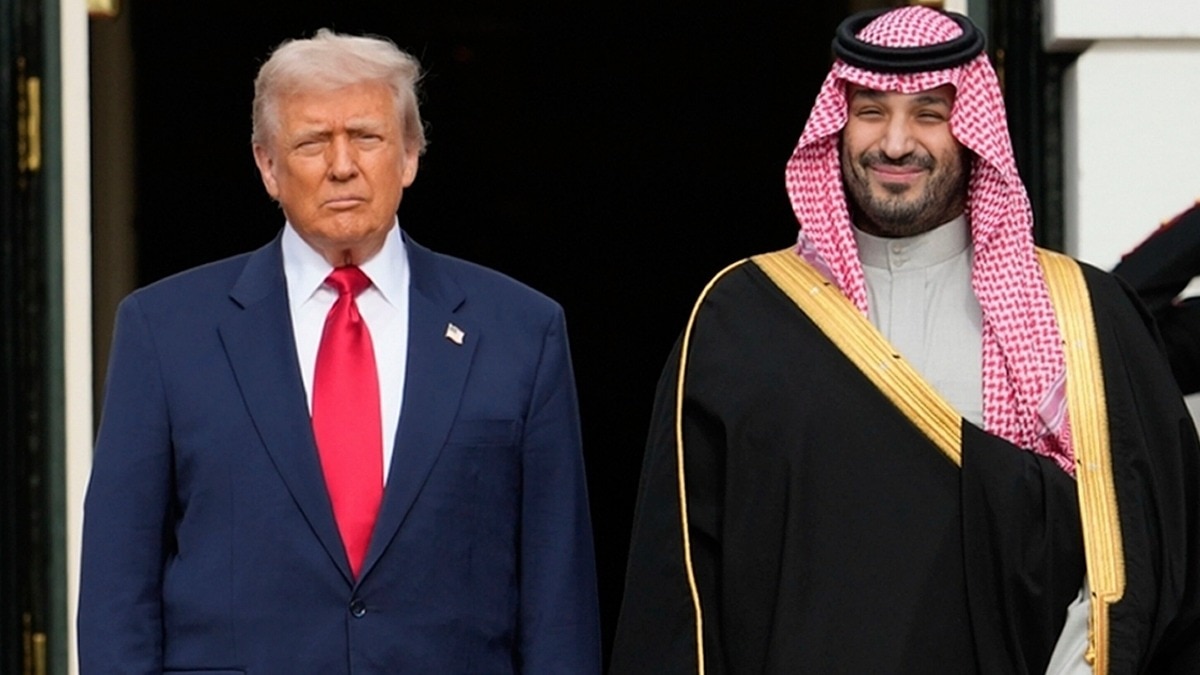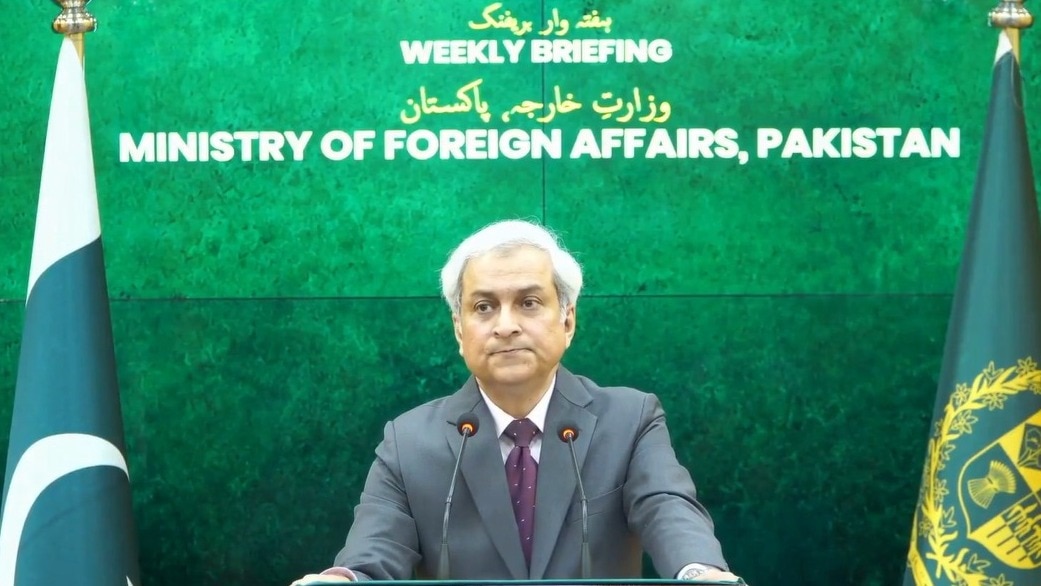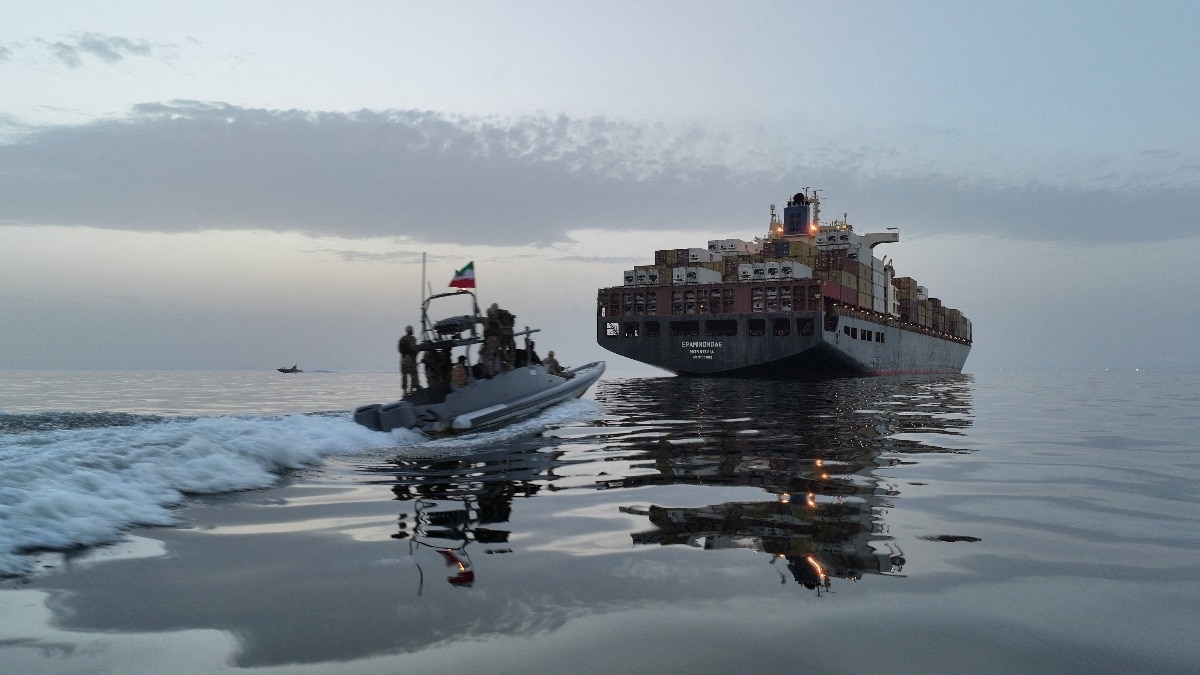
U.S. forces launched a fresh wave of airstrikes against Iranian military targets for the 13th night in a row, heightening fears of a wider regional war. The attacks threaten commercial shipping through the strategic Strait of Hormuz and key Gulf routes.
Key Takeaways
- US conducts its 13th consecutive night of strikes on Iranian military sites.
- Commercial shipping and the Strait of Hormuz face escalating threats.
- Risk of a broader regional war is intensifying.
U.S. Central Command reported that at 6:45 p.m. ET on Friday, American aircraft began another wave of strikes aimed at Iranian military installations, marking the 13th straight night of operations. Targets included sites near the Shalamcheh border crossing and the Bushehr nuclear plant area.
CENTCOM emphasized that the strikes are intended to hold the Islamic Revolutionary Guard Corps (IRGC) accountable and to diminish threats to commercial shipping. The escalation follows a series of missile and drone attacks claimed by Iran and its allies against U.S. partners in Jordan, Bahrain and Kuwait.
The Strait of Hormuz has become a flashpoint, with the United States warning against attacks on merchant vessels while Tehran threatens retaliation against regional oil, gas and power infrastructure if its civilian sites are hit.
Historical Background
The current flare‑up follows the collapse of a 2025 cease‑fire agreement between Washington and Tehran. Since then, both sides have exchanged retaliatory strikes, turning the Gulf into a volatile battlefield and raising concerns over global energy supplies.
Why This Matters
BozokMedia analysis shows that continued US strikes risk pulling regional allies into a broader conflict, jeopardizing global energy supplies and maritime security.
"If these aerial operations persist, they could destabilize the Middle East and send oil prices soaring worldwide," warns international security analyst Dr. Ali Khan.
Frequently Asked Questions
Question 1: Does the United States have explicit international backing for these strikes?
Answer: No clear endorsement from the United Nations or major multilateral bodies has been announced; many nations have labeled the actions as destabilizing.
Question 2: What critical infrastructure has Iran targeted in its retaliatory attacks?
Answer: Iran has struck U.S.-linked military sites, as well as water‑desalination plants and energy facilities in Kuwait, Bahrain and Jordan.