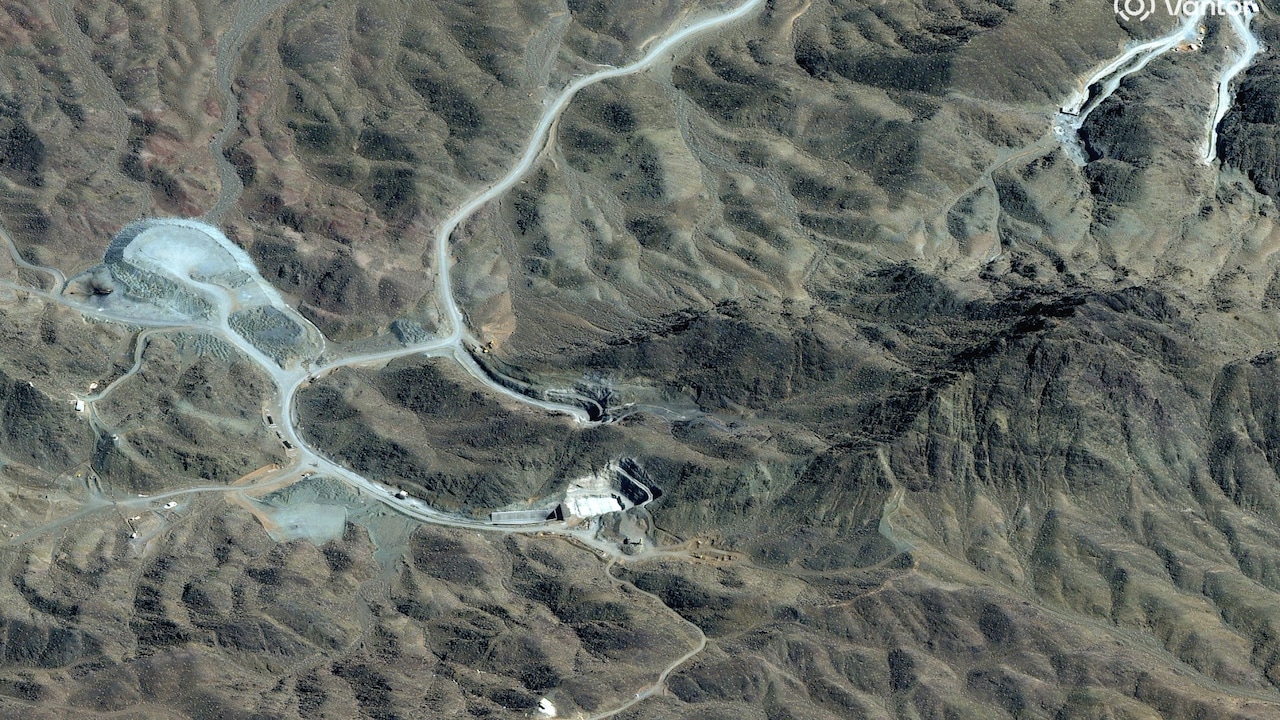
Defense Secretary Pete Hegseth revealed that the ongoing conflict involving Iran has surged to a $37.5 billion cost for the United States, up from $29 billion in May.
In a significant fiscal disclosure, U.S. Defense Secretary Pete Hegseth stated on Tuesday that the military and strategic conflict involving Iran has now cost the United States $37.5 billion. This marks a sharp increase from the previous estimate of approximately $29 billion reported in mid-May, signaling a rapid escalation in operational expenditures.
The surge in spending is attributed to the heightened tensions in the Middle East, necessitating continuous defense deployments, advanced missile interception capabilities, and increased intelligence surveillance. Hegseth's announcement highlights the mounting financial pressure on the Pentagon as the geopolitical landscape shifts.
Why This Matters (इसके मायने क्या हैं)
BozokMedia analysis shows that this multi-billion dollar escalation transcends mere military accounting. Such massive outflows of capital toward defense directly impact the national deficit and can lead to the reallocation of funds from domestic priorities, such as infrastructure, healthcare, and education. The $8.5 billion jump in just a few months underscores the volatility of modern warfare costs.
Furthermore, the economic implications extend to global markets. Increased U.S. military engagement often correlates with heightened energy security concerns, which can fluctuate oil prices and impact global inflation rates. For the average citizen, these geopolitical tensions eventually manifest as increased living costs and shifts in national fiscal policy.
The rapid escalation in defense spending reflects a pivot toward a more costly and unpredictable era of Middle Eastern containment.
Historical Background
The friction between the United States and Iran is rooted in decades of geopolitical rivalry, dating back significantly to the 1979 Islamic Revolution. Over the years, the U.S. has maintained a heavy military presence in the Persian Gulf to ensure freedom of navigation and to counter Iranian regional influence. The costs of these operations have fluctuated depending on the intensity of proxy wars and the status of nuclear negotiations.
| Metric | Mid-May Estimate | Current Estimate (Hegseth) |
|---|---|---|
| Total Cost (USD) | $29 Billion | $37.5 Billion |
| Net Increase | - | $8.5 Billion |
Frequently Asked Questions (अक्सर पूछे जाने वाले प्रश्न)
Question 1: Why has the cost increased so significantly since May?
Answer: The increase is driven by intensified military readiness, enhanced missile defense operations, and the high cost of maintaining a presence in volatile zones.
Question 2: How does this affect the U.S. economy?
Answer: High defense spending contributes to the national debt and can create opportunity costs for domestic social and economic programs.